The Unseen

Punk
Punk Rock
Hardcore Punk
 Viberate Rank: 122611
 Viberate Rank: 122611
 Monthly ListenersFollowers
 Subscribers
 Followers
 Followers
 FansTop Spotify Songs
| Track | 7-Day Streams | |
|---|---|---|
1 | 8.42K | |
2 | 8.28K | |
3 | 5.80K | |
4 | 1.25K | |
5 | 1.22K |
Top YouTube VideosMonthly ListenersFeatured in Playlists| Playlist | Followers | |
|---|---|---|
1 |  Skatepark Punks Spotify | 1.12M |
2 |  Punk-O-Rama 1-10 CptFuzzball | 23.21K |
3 |  The Evolution of Punk (In Chronological Order) kingfirley | 16.18K |
4 | Oi! & Punk 1500 songs Ollebolle | 15.31K |
5 |  Anarchist punk to beat fascists to DMT dreams | 11.85K |
Audience| City | Monthly Listeners | |
|---|---|---|
1 |  | 688 |
2 | | 666 |
3 |  | 612 |
4 | | 539 |
5 | | 513 |
See full performance history, audience data, playlist activity, rankings, comparisons, and more in Viberate music analytics. Start with a free trial, then continue with a paid plan.
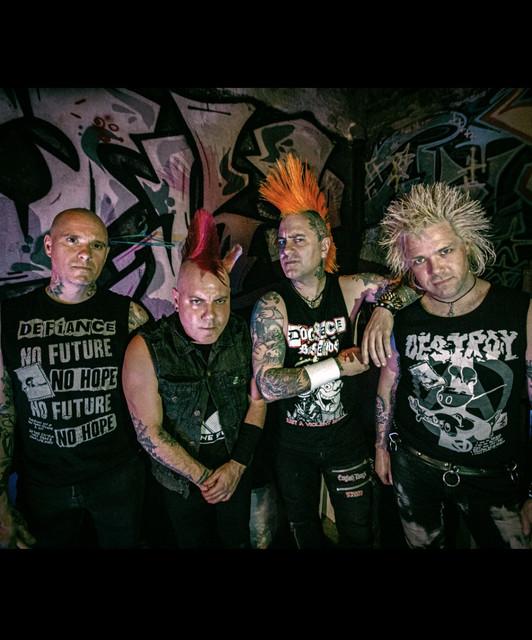
The Unseen’s Spotify BioBoston hardcore punk quintet the Unseen formed in 1993 around high school friends Mark Unseen (vocals/drums), Tripp Underwood (vocals/bass), and lead guitarist Scott Unseen. With surprisingly little member turnover, the lineup soon also included Paul Russo (guitar/vocals), while drummer Pat Melzard joined up in 2002. After appearing on numerous punk compilations, the band issued the LPs So This Is Freedom and Lower Class Crucifixion on A-F Records, the label run by Pittsburgh punk iconoclasts Anti-Flag. The band also continued to tour incessantly and release spit-flying 7" singles with classic, cut-and-paste punk rock aesthetics and titles like "Raise Your Finger, Raise Your Fist" and "Piss Off, You Worthless Lying Fuck." In 2001, the band returned with the LP The Anger and the Truth for California's BYO, followed in 2003 by Explode; a tour with Millencolin and booking on the 2003 Vans Warped Tour followed. Russo was no longer in the band when State of Discontent appeared two years… later on Hellcat Records. After various fill-ins, longtime friend and guitarist Jonny eventually completed the quintet after the record's release, and the Unseen stayed on the road at home and abroad with both headlining dates and as support for Tiger Army and Rancid. Going straight from the van back into the studio, the crew began work on their fifth album in late 2006. The resulting Internal Salvation surfaced in July 2007, as the band sweated it out again on the summer's Warped Tour. ~ Johnny Loftus, Rovi
Viberate is a music analytics platform built for A&Rs, artist managers, labels, booking agents, marketers, and artists.
It helps music professionals track artist growth, analyze audience data, monitor playlist activity, compare artists, follow song performance, and identify opportunities across the music market.
Public artist pages provide a free preview of selected artist data. Paid plans provide access to deeper analytics, historical data, charts, comparisons, playlist tools, exports, alerts, reports, and additional professional features.
Yes. Public Viberate artist pages provide selected artist analytics and music data for free.
Viberate also offers a 7-day free trial of the full platform. A credit card is required to start the trial. The trial includes access to the complete product so users can test deeper artist analytics, historical views, playlist insights, comparisons, charts, exports, alerts, and reporting features before choosing a paid plan.
Viberate provides artist analytics across streaming, playlists, social media, video, radio airplay, songs, and audience markets.
Users can analyze Spotify performance, Spotify and Apple Music playlists, YouTube activity, TikTok and Instagram growth, radio spins, song performance, audience locations, demographics, rankings, and overall artist momentum.
Artist profiles also connect to music charts, similar artists, and comparison tools, helping users benchmark performance and evaluate artists in context.
Viberate updates key artist and track data daily.
For followed artists and tracks, selected data is refreshed multiple times per day. This helps teams monitor playlist changes, streaming movement, audience growth, releases, and campaign performance with more current data.
Update frequency can vary depending on the metric and data source.
Yes. Viberate lets users compare up to five artists side by side across streaming, social media, audience, and engagement metrics.
Users can compare fanbase growth, audience demographics, locations, Spotify performance, social metrics, and other artist data over selected time periods.
Artist comparison can be used for A&R scouting, benchmarking, booking decisions, campaign planning, and evaluating artists with similar audiences or market positions.