The Soviettes

Punk
Punk Rock
 Viberate Rank: 273990
 Viberate Rank: 273990
 Monthly ListenersFollowers
 Subscribers
 Followers
 Followers
 FansTop Spotify Songs
| Track | 7-Day Streams | |
|---|---|---|
1 | 1.25K | |
2 | 1.03K | |
3 | 371 | |
4 | 282 | |
5 | 147 |
Top YouTube VideosMonthly ListenersFeatured in Playlists| Playlist | Followers | |
|---|---|---|
1 |  songs to eat glass to Machine Girl | 8.89K |
2 | Fat Wreck Chords dcis2cool | 6.32K |
3 |  ✨ QUEERCORE Fleezy X ✨ | 5.37K |
4 |  A.C.A.B - F.T.P - The Definitive Playlist - ACAB - FTP vicmarkettattoo | 4.88K |
5 |  Rock Against Bush Vol. 1-2 Edgar MV | 4.84K |
Audience| City | Monthly Listeners | |
|---|---|---|
1 | | 118 |
2 | | 92 |
3 | | 87 |
4 |  | 69 |
5 |  | 64 |
See full performance history, audience data, playlist activity, rankings, comparisons, and more in Viberate music analytics. Start with a free trial, then continue with a paid plan.
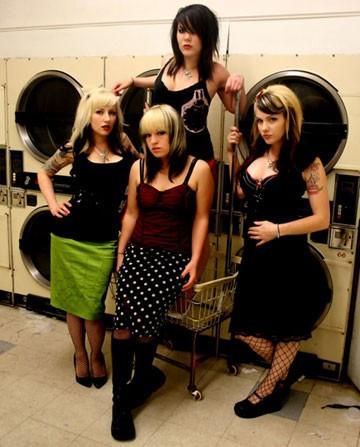
The Soviettes’ Spotify BioThe Soviettes formed in the midst of Minneapolis winter in 2000. Without want for last names, Annie (guitar/vocals), Sturgeon (guitar/vocals), Suzy (bass), and Danny (drums) tore into recording, and by 2003 had issued their self-titled debut via Adeline. It was fuzzy, punky, striped, and ballsy, and made an impression in the Twin Cities and beyond. The ingeniously titled II followed in 2004, and featured more bratty one- and two-minute songs with names like "#1 Is Number Two" and "Pass the Flashlight." By this point the Soviettes had spread their love all over town, not to mention the plains states and points west. Fat Wreck noticed and signed the quartet in 2004. The Soviettes' III LP was issued on June 28, 2005. ~ Johnny Loftus, Rovi
Viberate is a music analytics platform built for A&Rs, artist managers, labels, booking agents, marketers, and artists.
It helps music professionals track artist growth, analyze audience data, monitor playlist activity, compare artists, follow song performance, and identify opportunities across the music market.
Public artist pages provide a free preview of selected artist data. Paid plans provide access to deeper analytics, historical data, charts, comparisons, playlist tools, exports, alerts, reports, and additional professional features.
Yes. Public Viberate artist pages provide selected artist analytics and music data for free.
Viberate also offers a 7-day free trial of the full platform. A credit card is required to start the trial. The trial includes access to the complete product so users can test deeper artist analytics, historical views, playlist insights, comparisons, charts, exports, alerts, and reporting features before choosing a paid plan.
Viberate provides artist analytics across streaming, playlists, social media, video, radio airplay, songs, and audience markets.
Users can analyze Spotify performance, Spotify and Apple Music playlists, YouTube activity, TikTok and Instagram growth, radio spins, song performance, audience locations, demographics, rankings, and overall artist momentum.
Artist profiles also connect to music charts, similar artists, and comparison tools, helping users benchmark performance and evaluate artists in context.
Viberate updates key artist and track data daily.
For followed artists and tracks, selected data is refreshed multiple times per day. This helps teams monitor playlist changes, streaming movement, audience growth, releases, and campaign performance with more current data.
Update frequency can vary depending on the metric and data source.
Yes. Viberate lets users compare up to five artists side by side across streaming, social media, audience, and engagement metrics.
Users can compare fanbase growth, audience demographics, locations, Spotify performance, social metrics, and other artist data over selected time periods.
Artist comparison can be used for A&R scouting, benchmarking, booking decisions, campaign planning, and evaluating artists with similar audiences or market positions.