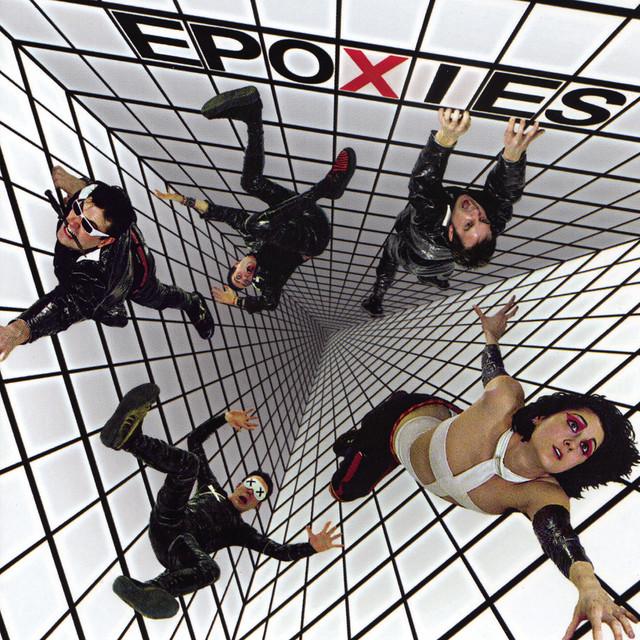
The Epoxies

Punk
Punk Rock
 Viberate Rank: 331411
 Viberate Rank: 331411
 Monthly ListenersFollowers
 Subscribers
 Followers
 Followers
 FansTop Spotify Songs
| Track | 7-Day Streams | |
|---|---|---|
1 | 506 | |
2 | 296 | |
3 | 215 | |
4 | 143 | |
5 | 111 |
Top YouTube VideosMonthly ListenersFeatured in Playlists| Playlist | Followers | |
|---|---|---|
1 | Nasty Mondays Official Playlist nastymondaysofficial | 14.37K |
2 |  Dance Dance Revolution Earl Christian Uy | 9.57K |
3 | Fat Wreck Chords dcis2cool | 6.32K |
4 |  Rock Against Bush Vol. 1-2 Edgar MV | 4.84K |
5 |  Riot Girls / Riot Grrrl Kate78 | 3.62K |
Audience| City | Monthly Listeners | |
|---|---|---|
1 | | 57 |
2 | | 49 |
3 | | 41 |
4 | | 40 |
5 | | 38 |
See full performance history, audience data, playlist activity, rankings, comparisons, and more in Viberate music analytics. Start with a free trial, then continue with a paid plan.
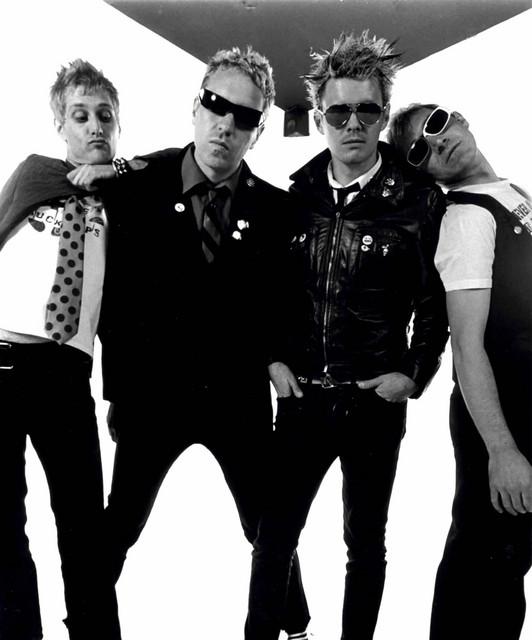
The Epoxies’ Spotify BioDischarging a ferocious batch of punk rock tunes propelled by powerful signs of new wave and pop, the Epoxies categorically offer a daring punk mixture. Formed in Portland, OR, in 2000, the band features a five-piece lineup commanded by vocalist Roxy Epoxy alongside Shock Diode (bass), Viz Spectrum (guitar), Doctor Grip (drums), and Moxie Static (keyboards, vocals). The single "We Are Sold Out,", the group's first record issued via the Seattle-based Dirtnap Records label, confirmed the crew's inventive aptitude and audacious tunes, opening the way for the recording of their first album. In March of 2002, the Epoxies presented their self-titled full-length debut, again through the Dirtnap logo, confirming their recognition within the punk rock scene way beyond their state frontiers. The band next released Stop the Future on Fat Wreck in May 2005. Metropolis Records scooped them up in 2007, and released an EP titled My New World that August. ~ Mario Mesquita Borges, Rovi
Viberate is a music analytics platform built for A&Rs, artist managers, labels, booking agents, marketers, and artists.
It helps music professionals track artist growth, analyze audience data, monitor playlist activity, compare artists, follow song performance, and identify opportunities across the music market.
Public artist pages provide a free preview of selected artist data. Paid plans provide access to deeper analytics, historical data, charts, comparisons, playlist tools, exports, alerts, reports, and additional professional features.
Yes. Public Viberate artist pages provide selected artist analytics and music data for free.
Viberate also offers a 7-day free trial of the full platform. A credit card is required to start the trial. The trial includes access to the complete product so users can test deeper artist analytics, historical views, playlist insights, comparisons, charts, exports, alerts, and reporting features before choosing a paid plan.
Viberate provides artist analytics across streaming, playlists, social media, video, radio airplay, songs, and audience markets.
Users can analyze Spotify performance, Spotify and Apple Music playlists, YouTube activity, TikTok and Instagram growth, radio spins, song performance, audience locations, demographics, rankings, and overall artist momentum.
Artist profiles also connect to music charts, similar artists, and comparison tools, helping users benchmark performance and evaluate artists in context.
Viberate updates key artist and track data daily.
For followed artists and tracks, selected data is refreshed multiple times per day. This helps teams monitor playlist changes, streaming movement, audience growth, releases, and campaign performance with more current data.
Update frequency can vary depending on the metric and data source.
Yes. Viberate lets users compare up to five artists side by side across streaming, social media, audience, and engagement metrics.
Users can compare fanbase growth, audience demographics, locations, Spotify performance, social metrics, and other artist data over selected time periods.
Artist comparison can be used for A&R scouting, benchmarking, booking decisions, campaign planning, and evaluating artists with similar audiences or market positions.