Tsunami Bomb

Punk
Punk Rock
Skate Punk
 Viberate Rank: 125996
 Viberate Rank: 125996
 Monthly ListenersFollowers
 Subscribers
 Followers
 Followers
 FansTop Spotify Songs
| Track | 7-Day Streams | |
|---|---|---|
1 | 8.40K | |
2 | 4.89K | |
3 | 3.17K | |
4 | 2.36K | |
5 | 2.32K |
Top YouTube Videos| Video | 7-Day Views | |
|---|---|---|
1 | 81 | |
2 | 29 | |
3 | 13 | |
4 | 7 | |
5 | 5 |
Monthly ListenersFeatured in Playlists| Playlist | Followers | |
|---|---|---|
1 | Best '90s Rock Playlist LUMA | 129.10K |
2 | Rockers workout Chris Dial | 21.55K |
3 |  Vans Warped Tour 25 Years Compilation Mallory Brayman | 17.50K |
4 |  Warped Tour 2019 Tayla Ridley | 13.56K |
5 |  PUNK ROCK sebastien.gautier | 8.46K |
Audience| City | Monthly Listeners | |
|---|---|---|
1 | | 1.07K |
2 | | 767 |
3 | | 651 |
4 | | 537 |
5 | | 528 |
See full performance history, audience data, playlist activity, rankings, comparisons, and more in Viberate music analytics. Start with a free trial, then continue with a paid plan.
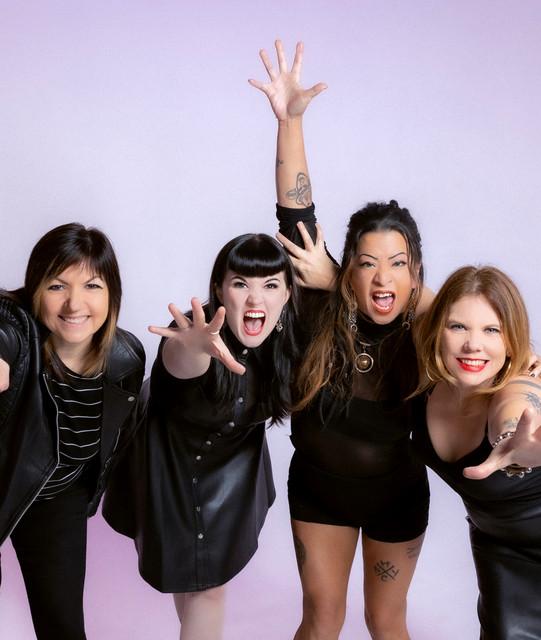
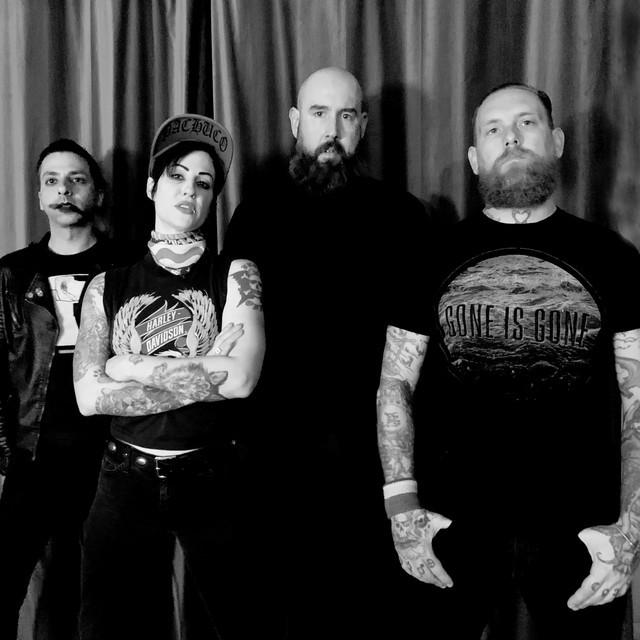
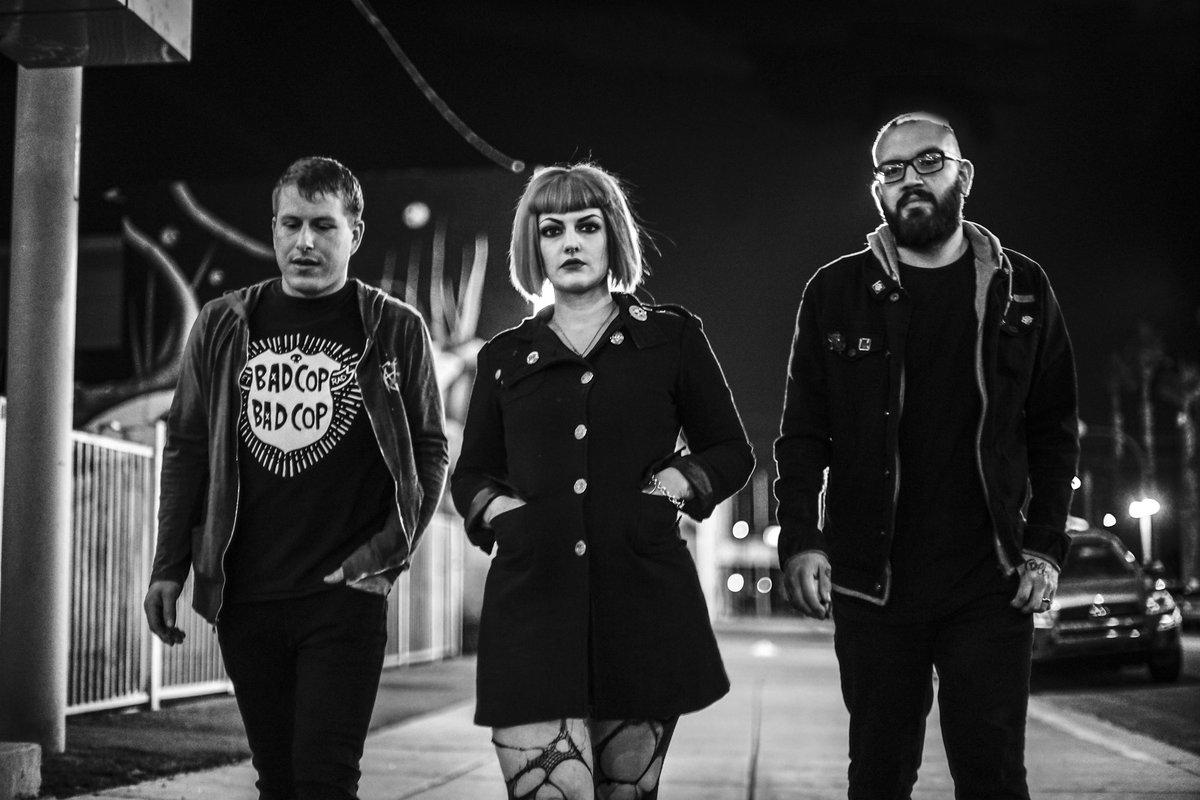
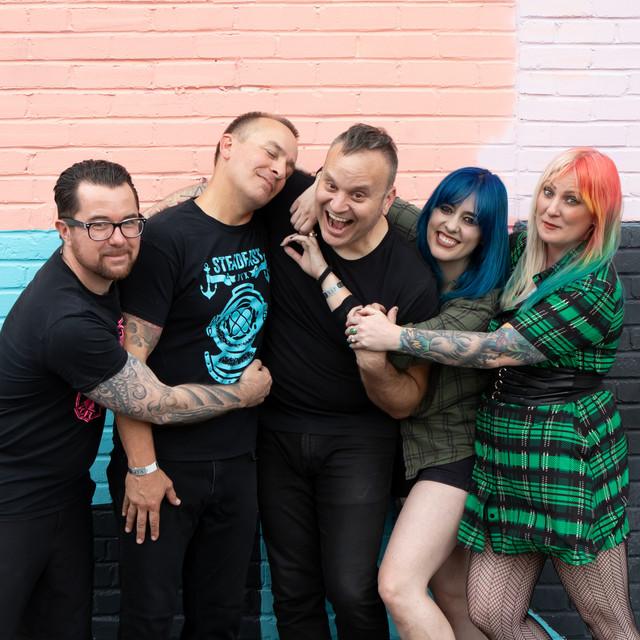
Tsunami Bomb’s Spotify BioTsunami Bomb has long established themselves as one of the most fearless and dynamic forces in the punk music scene. Originally formed in the late ’90s in Petaluma, CA, the band—now comprised of Dominic Davi (bass), Kate Jacobi (vocals), Andy Pohl (guitar), Oobliette Sparks (keyboards/vocals), and Gabriel Lindeman (drums)—forged their legacy through a potent mix of melodic punk energy and dark, anthemic undercurrents. After a triumphant return from hiatus in 2015, the band hasn’t looked back, blazing ahead with new music, a renewed spirit, and an ever-growing fanbase. Their 2019 album The Spine That Binds proved Tsunami Bomb wasn’t interested in nostalgia—they were evolving, writing the songs they wanted to hear, and fans old and new followed.
Unwilling to be confined by the “punk” label, Tsunami Bomb has always embraced the theatrical and the emotional in equal measure. Their bold visual aesthetic, powerful female-fronted vocals, and storytelling lyrics set them apart early on, and… it’s a legacy they’ve continued to expand on. They've shared stages with everyone from AFI and The Bouncing Souls to Face to Face and Flogging Molly, bringing their high-energy live show to audiences across the U.S., Europe, and beyond.
Now working with storied punk label Alternative Tentacles, the band has been leaning further into their blend of post-hardcore bite, synth-laced moodiness, and sing-along punk hooks, earning high praise from press and fans alike.
Viberate is a music analytics platform built for A&Rs, artist managers, labels, booking agents, marketers, and artists.
It helps music professionals track artist growth, analyze audience data, monitor playlist activity, compare artists, follow song performance, and identify opportunities across the music market.
Public artist pages provide a free preview of selected artist data. Paid plans provide access to deeper analytics, historical data, charts, comparisons, playlist tools, exports, alerts, reports, and additional professional features.
Yes. Public Viberate artist pages provide selected artist analytics and music data for free.
Viberate also offers a 7-day free trial of the full platform. A credit card is required to start the trial. The trial includes access to the complete product so users can test deeper artist analytics, historical views, playlist insights, comparisons, charts, exports, alerts, and reporting features before choosing a paid plan.
Viberate provides artist analytics across streaming, playlists, social media, video, radio airplay, songs, and audience markets.
Users can analyze Spotify performance, Spotify and Apple Music playlists, YouTube activity, TikTok and Instagram growth, radio spins, song performance, audience locations, demographics, rankings, and overall artist momentum.
Artist profiles also connect to music charts, similar artists, and comparison tools, helping users benchmark performance and evaluate artists in context.
Viberate updates key artist and track data daily.
For followed artists and tracks, selected data is refreshed multiple times per day. This helps teams monitor playlist changes, streaming movement, audience growth, releases, and campaign performance with more current data.
Update frequency can vary depending on the metric and data source.
Yes. Viberate lets users compare up to five artists side by side across streaming, social media, audience, and engagement metrics.
Users can compare fanbase growth, audience demographics, locations, Spotify performance, social metrics, and other artist data over selected time periods.
Artist comparison can be used for A&R scouting, benchmarking, booking decisions, campaign planning, and evaluating artists with similar audiences or market positions.