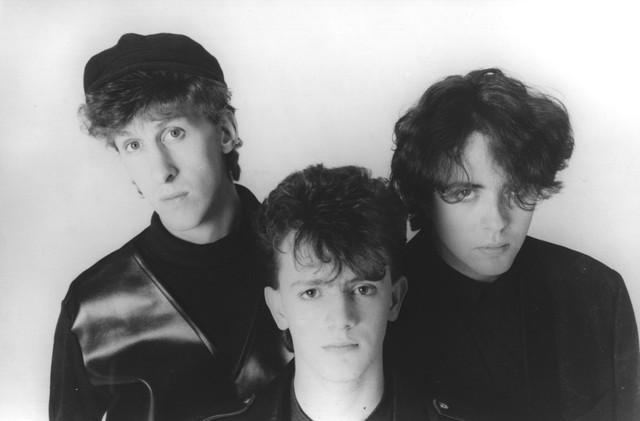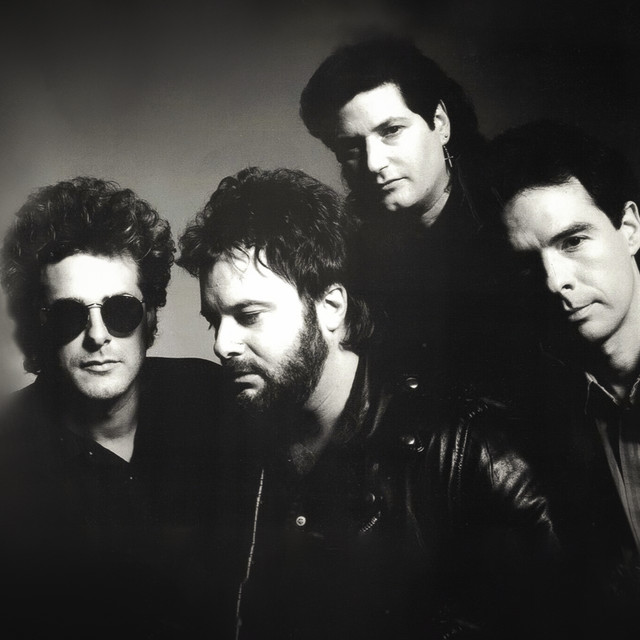
The Call

Rock
Alternative Rock
Pop Rock
Hard Rock
 Viberate Rank: 91368
 Viberate Rank: 91368
 Monthly ListenersFollowers
 Subscribers
 Followers
 Followers
 FansTop Spotify Songs
| Track | 7-Day Streams | |
|---|---|---|
1 | 17.70K | |
2 | 13.86K | |
3 | 8.20K | |
4 | 7.41K | |
5 | 7.41K |
Top YouTube VideosMonthly ListenersFeatured in Playlists| Playlist | Followers | |
|---|---|---|
1 |  Classic Rock Songs 60s 70s 80s 90s Music-Hits_. | 788.49K |
2 | Classic Rock Greatest Hits Scott Pruden | 341.40K |
3 |  80s New Wave & Alternative Troy @ TavernTails | 194.42K |
4 |  Era Dorada del Rock 🎸 Lo Mejor del Rock de los 60s 70s 80s & 90s 🔥 ⚡ | 79.91K |
5 |  Best Rock Songs from the 60s 70s 80s & 90s 🎸 Golden Rock Era Jessy Andersen | 56.94K |
Audience| City | Monthly Listeners | |
|---|---|---|
1 | | 2.49K |
2 |  | 2.03K |
3 | | 1.83K |
4 | | 1.64K |
5 | | 1.38K |
See full performance history, audience data, playlist activity, rankings, comparisons, and more in Viberate music analytics. Start with a free trial, then continue with a paid plan.
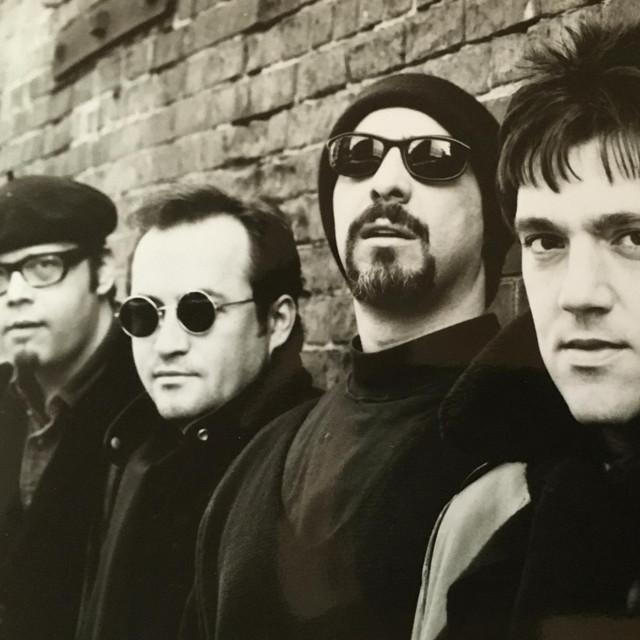
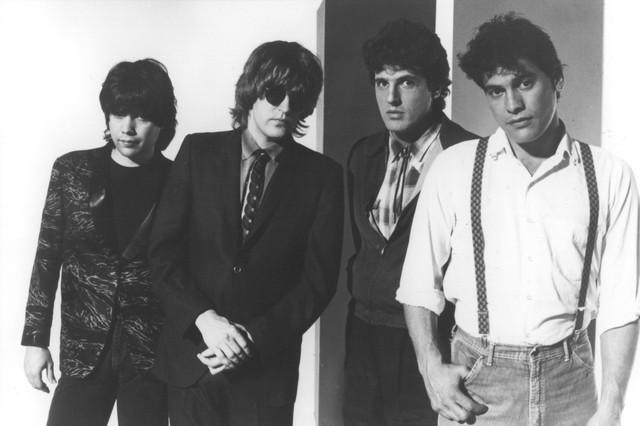
The Call’s Spotify BioThe Call is an American rock band formed in Santa Cruz, California. The main lineup consisted of members Michael Been, Scott Musick, Tom Ferrier, and Jim Goodwin. The band released nine studio albums on major labels over the next two decades before disbanding in 2000. Their first hit single was "The Walls Came Down" which became a hit on MTV in 1983. Their 1985 album, Reconciled, featured guest appearances by Peter Gabriel (who had once referred to the band as "the future of American music") and Robbie Robertson. Both "I Still Believe" and "Everywhere I Go" achieved significant airplay on college rock and AOR stations, giving a boost to the band's profile.
In 1986, their song, "I Still Believe (Great Design)", was included in the 1987 film The Lost Boys. The band achieved significant success in 1989 with "Let the Day Begin", which reached No. 1 on the Billboard U.S. Mainstream Rock chart . Michael Been died of a heart attack in 2010 while touring (and working as a soundman) with Black… Rebel Motorcycle Club, founded by his son Robert Levon Been. After a few years had passed, The Call reunited for a string of concerts with Robert on bass and vocals, which resulted in a 2014 live album. The band continued to perform and tour later in the decade. In 2024, the band released The Lost Tapes, featuring unreleased tracks.
Viberate is a music analytics platform built for A&Rs, artist managers, labels, booking agents, marketers, and artists.
It helps music professionals track artist growth, analyze audience data, monitor playlist activity, compare artists, follow song performance, and identify opportunities across the music market.
Public artist pages provide a free preview of selected artist data. Paid plans provide access to deeper analytics, historical data, charts, comparisons, playlist tools, exports, alerts, reports, and additional professional features.
Yes. Public Viberate artist pages provide selected artist analytics and music data for free.
Viberate also offers a 7-day free trial of the full platform. A credit card is required to start the trial. The trial includes access to the complete product so users can test deeper artist analytics, historical views, playlist insights, comparisons, charts, exports, alerts, and reporting features before choosing a paid plan.
Viberate provides artist analytics across streaming, playlists, social media, video, radio airplay, songs, and audience markets.
Users can analyze Spotify performance, Spotify and Apple Music playlists, YouTube activity, TikTok and Instagram growth, radio spins, song performance, audience locations, demographics, rankings, and overall artist momentum.
Artist profiles also connect to music charts, similar artists, and comparison tools, helping users benchmark performance and evaluate artists in context.
Viberate updates key artist and track data daily.
For followed artists and tracks, selected data is refreshed multiple times per day. This helps teams monitor playlist changes, streaming movement, audience growth, releases, and campaign performance with more current data.
Update frequency can vary depending on the metric and data source.
Yes. Viberate lets users compare up to five artists side by side across streaming, social media, audience, and engagement metrics.
Users can compare fanbase growth, audience demographics, locations, Spotify performance, social metrics, and other artist data over selected time periods.
Artist comparison can be used for A&R scouting, benchmarking, booking decisions, campaign planning, and evaluating artists with similar audiences or market positions.