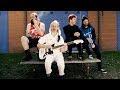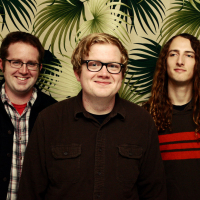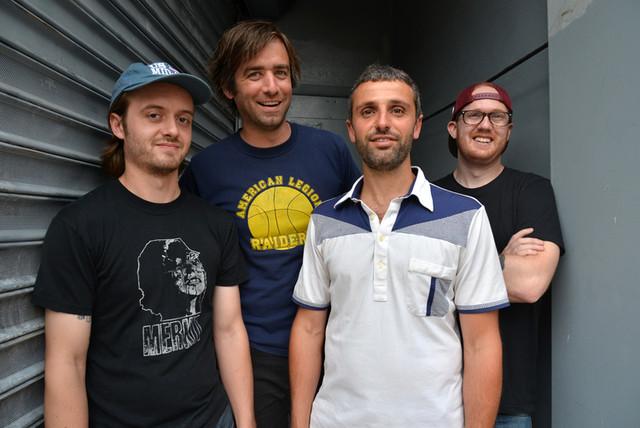
The Sidekicks

Rock
Pop Rock
Punk Rock
 Viberate Rank: 188934
 Viberate Rank: 188934
 Monthly ListenersFollowers
 Subscribers
 Followers
 Followers
 FansTop Spotify SongsTop YouTube VideosMonthly ListenersFeatured in Playlists
| Playlist | Followers | |
|---|---|---|
1 |  Bluegrass Covers Spotify | 287.90K |
2 | El Convidat 3Cat | 24.98K |
3 | The Ultimate Cover Song Playlist Anna OBrien | 19.48K |
4 |  Highway Bike Ride hrwhite4 | 16.23K |
5 | Hayden Eldridge | 13.26K |
Audience| City | Monthly Listeners | |
|---|---|---|
1 | | 193 |
2 | | 144 |
3 | | 131 |
4 | | 97 |
5 | | 89 |
See full performance history, audience data, playlist activity, rankings, comparisons, and more in Viberate music analytics. Start with a free trial, then continue with a paid plan.
The Sidekicks’ Spotify BioFrom the fiery punk of early albums like So Long, Soggy Dog (2007) and Weight of Air (2009) to the more expansive pop influences heard on their Phil Ek-produced fourth album, Runners in the Nerved World (2015), Midwestern indie quartet the Sidekicks have shown a remarkable resilience and willingness to evolve with each subsequent release. Led by frontman Steve Ciolek, the Sidekicks grew organically from their Cleveland roots, first becoming a staple of the Red Scare roster and then, as their sound expanded and they headed south to Columbus, joining up with legendary punk imprint Epitaph Records in the mid-2010s.
The Sidekicks first came together in suburban Cleveland, getting their start in 2003 as high-school students who loved the usual punk suspects like Bad Religion, NOFX, and Rancid. It wasn't long after forming that Ciolek (vocals/guitar), Matt Climer (drums), Brandon "Petey" Petrick (guitar), and Josh Henry (bass) fell into the area's D.I.Y. punk community and began nurturing… their sound and fan base in community centers and basements with like-minded bands, instead of going unnoticed on overcrowded club bills. Climer also held shows at his place, dubbed the Soggy Dog House, and their profile steadily grew. The Sidekicks recorded a few demos and EPs before issuing their first full-length of pop-punk, So Long, Soggy Dog, through Red Scare Industries in late 2007. The four-song 7" Sam appeared the following year on Whoa Oh Records. In September 2009, the Sidekicks' second album, Weight of Air, was released, once again through Red Scare, and it showed the band expanding its sound a bit more by delving into various indie punk influences; the album featured new guitarist Matt Schuermann as well (also of No Target Audience and American War).
By 2012, the Sidekicks relocated to Columbus, Ohio and were stylistically evolving, as pop and indie rock influences began making themselves heard on the album Awkward Breeds. The album also introduced a new Sidekicks lineup, with Josh Henry out and Ryan Starinsky in on bass. To the surprise of many fans, the Sidekicks signed a new record deal with Epitaph Records in 2014, and in January 2015 they dropped their first album for the label, Runners in the Nerved World, which was produced by Phil Ek (Fleet Foxes, Band of Horses). The Sidekicks recorded the new LP as a quartet, but by the time the album was released, the group became a trio with the departure of guitarist Matt Schuermann (Toby Reif would later take up guitar duties). The Sidekicks toured behind Runners for nearly two years before returning to the studio to record their follow-up, Happiness Hours. Produced by John Agnello (Sonic Youth, Dinosaur Jr., Kurt Vile) and released in April 2018, the album featured some of the band's warmest, most melodic songs to date. ~ Corey Apar, Rovi
Viberate is a music analytics platform built for A&Rs, artist managers, labels, booking agents, marketers, and artists.
It helps music professionals track artist growth, analyze audience data, monitor playlist activity, compare artists, follow song performance, and identify opportunities across the music market.
Public artist pages provide a free preview of selected artist data. Paid plans provide access to deeper analytics, historical data, charts, comparisons, playlist tools, exports, alerts, reports, and additional professional features.
Yes. Public Viberate artist pages provide selected artist analytics and music data for free.
Viberate also offers a 7-day free trial of the full platform. A credit card is required to start the trial. The trial includes access to the complete product so users can test deeper artist analytics, historical views, playlist insights, comparisons, charts, exports, alerts, and reporting features before choosing a paid plan.
Viberate provides artist analytics across streaming, playlists, social media, video, radio airplay, songs, and audience markets.
Users can analyze Spotify performance, Spotify and Apple Music playlists, YouTube activity, TikTok and Instagram growth, radio spins, song performance, audience locations, demographics, rankings, and overall artist momentum.
Artist profiles also connect to music charts, similar artists, and comparison tools, helping users benchmark performance and evaluate artists in context.
Viberate updates key artist and track data daily.
For followed artists and tracks, selected data is refreshed multiple times per day. This helps teams monitor playlist changes, streaming movement, audience growth, releases, and campaign performance with more current data.
Update frequency can vary depending on the metric and data source.
Yes. Viberate lets users compare up to five artists side by side across streaming, social media, audience, and engagement metrics.
Users can compare fanbase growth, audience demographics, locations, Spotify performance, social metrics, and other artist data over selected time periods.
Artist comparison can be used for A&R scouting, benchmarking, booking decisions, campaign planning, and evaluating artists with similar audiences or market positions.