Donovan Wolfington

Punk
Punk Rock
Indie Rock
 Viberate Rank: 367450
 Viberate Rank: 367450
 Monthly ListenersFollowers
 Subscribers
 Followers
 Followers
 FansTop Spotify Songs
| Track | 7-Day Streams | |
|---|---|---|
1 | 775 | |
2 | 293 | |
3 | 225 | |
4 | 120 | |
5 | 115 |
Top YouTube VideosMonthly ListenersFeatured in Playlists| Playlist | Followers | |
|---|---|---|
1 | Midwest emo/casual emo Preston Harris | 9.20K |
2 | Midwest Emo Sh!t collapsedcave | 5.70K |
3 |  The Sound of Midwest Emo The Sounds of Spotify | 4.64K |
4 |  stuff i’ve been listening to lately guardin | 3.98K |
5 | Midwest Emo Samuel Fish | 3.83K |
Audience| City | Monthly Listeners | |
|---|---|---|
1 | | 119 |
2 | | 89 |
3 | | 84 |
4 | | 82 |
5 | | 61 |
See full performance history, audience data, playlist activity, rankings, comparisons, and more in Viberate music analytics. Start with a free trial, then continue with a paid plan.
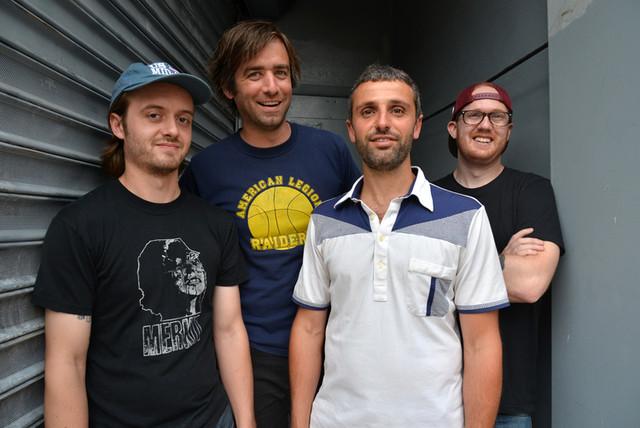
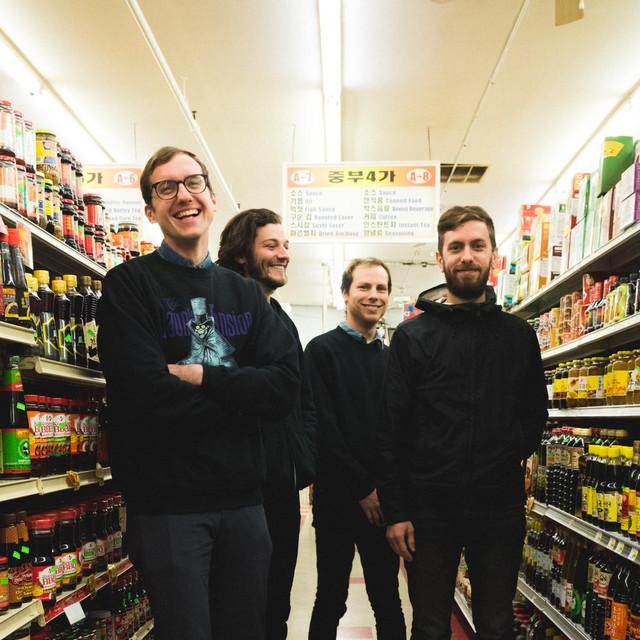
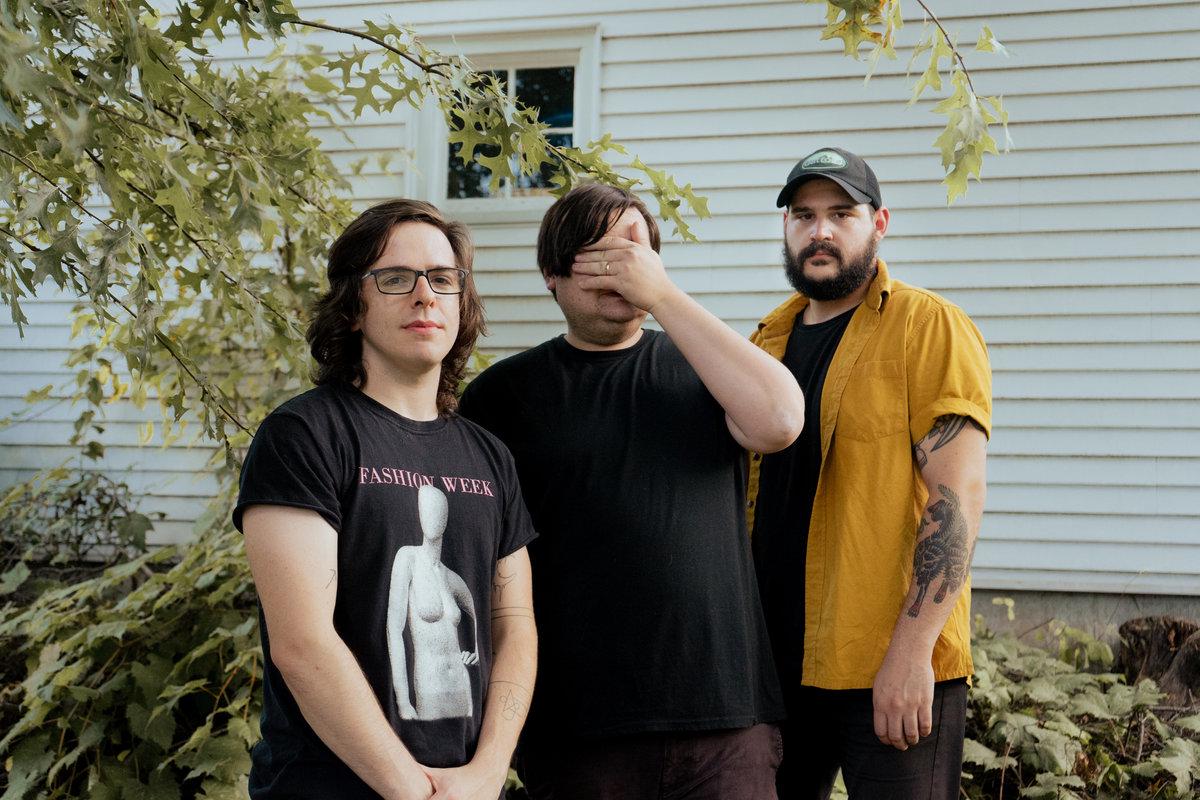
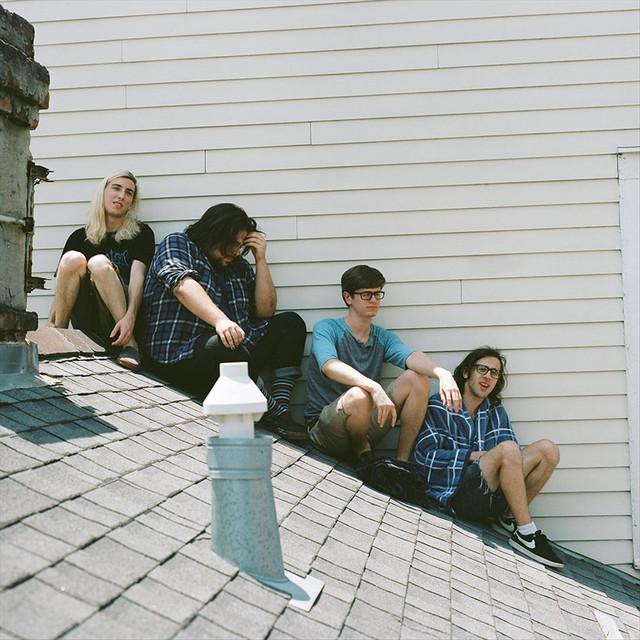
Donovan Wolfington’s Spotify BioOver the course of three albums, American punk band Donovan Wolfington brought D.I.Y. attitude to their pop-leaning indie rock before breaking up in 2018. D-Wolf were formed in New Orleans in 2011 by Loyola University students Neil Berthier (vocalist/guitarist) and Matthew Seferian (guitarist/vocalist). Taking inspiration from bands like Pavement, Nirvana, NOFX, Bad Religion, and Built to Spill, they started jamming together, later recruiting Savannah Sexton to join as keyboardist/vocalist. Bassist Christian Baraks and drummer Chris Littlejohn rounded out the founding quintet. The band issued its debut, Stop Breathing (Broken World Media/Community Records), in 2013, signing with Topshelf Records soon thereafter. Their label debut, the five-track EP Scary Stories You Tell in the Dark, arrived in 2014. Sexton parted ways with D-Wolf before they recorded their sophomore LP, How to Treat the Ones You Love, with new bassist Chris Lanthier lending his talents for only this effort. How to… Treat... featured a hardcore punk song and some heavy metal noise, marking steady creative growth for the young group. They toured the United States and Europe, building an audience, especially in the grassroots scene of New Orleans. Then, in 2017, they announced a breakup. In D-Wolf's final incarnation, as a quartet, Berthier and Seferian were joined by bassist Alejandro Skalany and drummer Mike Saladis. They recorded one last album, Waves, which was self-released in early 2018. After playing their farewell show for Community Records' tenth anniversary celebration, Berthier moved to Nashville to pursue a solo career (while also briefly working as fellow NOLA punk band PEARS' tour manager), while Skalany joined New Holland and Seferian and Saladis carried on with Pope. ~ Neil Z. Yeung, Rovi
Viberate is a music analytics platform built for A&Rs, artist managers, labels, booking agents, marketers, and artists.
It helps music professionals track artist growth, analyze audience data, monitor playlist activity, compare artists, follow song performance, and identify opportunities across the music market.
Public artist pages provide a free preview of selected artist data. Paid plans provide access to deeper analytics, historical data, charts, comparisons, playlist tools, exports, alerts, reports, and additional professional features.
Yes. Public Viberate artist pages provide selected artist analytics and music data for free.
Viberate also offers a 7-day free trial of the full platform. A credit card is required to start the trial. The trial includes access to the complete product so users can test deeper artist analytics, historical views, playlist insights, comparisons, charts, exports, alerts, and reporting features before choosing a paid plan.
Viberate provides artist analytics across streaming, playlists, social media, video, radio airplay, songs, and audience markets.
Users can analyze Spotify performance, Spotify and Apple Music playlists, YouTube activity, TikTok and Instagram growth, radio spins, song performance, audience locations, demographics, rankings, and overall artist momentum.
Artist profiles also connect to music charts, similar artists, and comparison tools, helping users benchmark performance and evaluate artists in context.
Viberate updates key artist and track data daily.
For followed artists and tracks, selected data is refreshed multiple times per day. This helps teams monitor playlist changes, streaming movement, audience growth, releases, and campaign performance with more current data.
Update frequency can vary depending on the metric and data source.
Yes. Viberate lets users compare up to five artists side by side across streaming, social media, audience, and engagement metrics.
Users can compare fanbase growth, audience demographics, locations, Spotify performance, social metrics, and other artist data over selected time periods.
Artist comparison can be used for A&R scouting, benchmarking, booking decisions, campaign planning, and evaluating artists with similar audiences or market positions.