Cheap Girls

Rock
Alternative Rock
Folk Punk
Indie Rock
 Viberate Rank: 274030
 Viberate Rank: 274030
 Monthly ListenersFollowers
 Subscribers
 Followers
 Followers
 FansTop Spotify Songs
| Track | 7-Day Streams | |
|---|---|---|
1 | 2.58K | |
2 | 547 | |
3 | 219 | |
4 | 190 | |
5 | 149 |
Top YouTube VideosMonthly ListenersFeatured in Playlists| Playlist | Followers | |
|---|---|---|
1 | Andrey's Stream Playlist Andrey Yanyuk | 18.24K |
2 |  a midwest emo fall 🍂 austin🦝 | 11.64K |
3 | Sad Boii Hour linksgroupie | 5.08K |
4 |  The Sound of Alternative Emo The Sounds of Spotify | 4.88K |
5 | Lyft011 1210681912 | 3.20K |
Audience| City | Monthly Listeners | |
|---|---|---|
1 | | 322 |
2 | | 224 |
3 | | 212 |
4 | | 153 |
5 | | 149 |
See full performance history, audience data, playlist activity, rankings, comparisons, and more in Viberate music analytics. Start with a free trial, then continue with a paid plan.
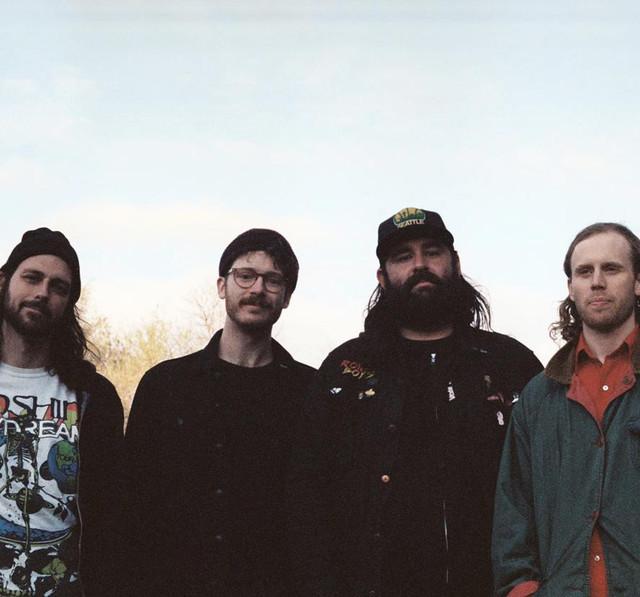
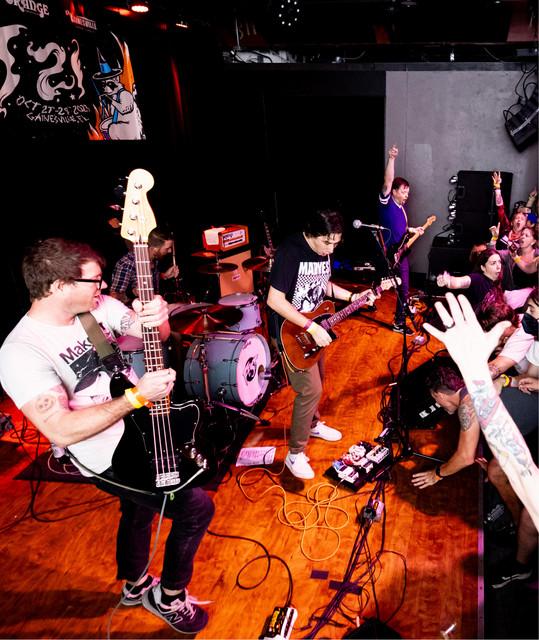
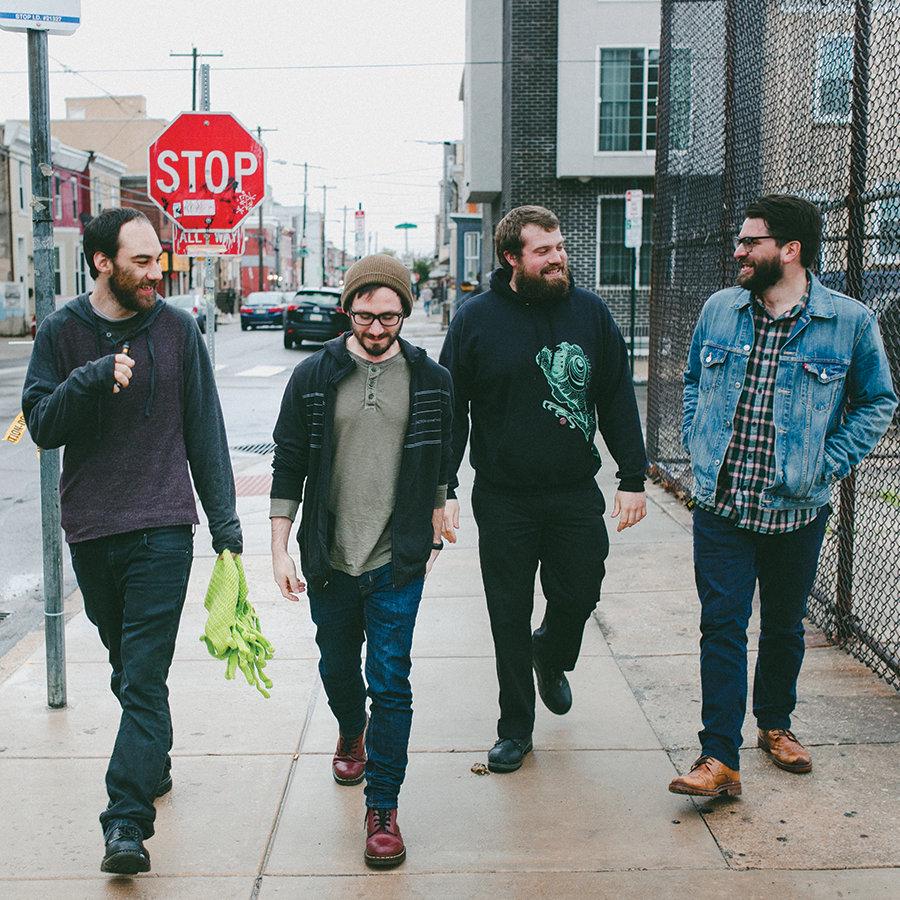
Cheap Girls’ Spotify BioLansing, Michigan trio Cheap Girls' high-energy, nostalgic pop-meets-punk sound lands somewhere between the Replacements and Superchunk. Comprised of singer/bassist/acoustic guitarist Ian Graham, his drummer/percussionist brother Ben Graham and guitarist Adam Aymor, the band formed in 2007 with the objective of playing back-to-basics rock. Their first album, the self-released Find Me a Drink Home, arrived the following year. A busy touring schedule followed, making way for sophomore record My Roaring 20s, released on Paper + Plastick, which also reissued Find Me a Drink Home. In 2010, Cheap Girls played with Against Me! for the first time, a meeting which grew into a U.S. tour together the following year, and securing Tom Gabel to produce their next record at his new studio. The result was Giant Orange, a collection of road-tested songs showcasing the band's giant hooks and cohesiveness, which arrived on Rise in February 2012. ~ Chrysta Cherrie, Rovi
Viberate is a music analytics platform built for A&Rs, artist managers, labels, booking agents, marketers, and artists.
It helps music professionals track artist growth, analyze audience data, monitor playlist activity, compare artists, follow song performance, and identify opportunities across the music market.
Public artist pages provide a free preview of selected artist data. Paid plans provide access to deeper analytics, historical data, charts, comparisons, playlist tools, exports, alerts, reports, and additional professional features.
Yes. Public Viberate artist pages provide selected artist analytics and music data for free.
Viberate also offers a 7-day free trial of the full platform. A credit card is required to start the trial. The trial includes access to the complete product so users can test deeper artist analytics, historical views, playlist insights, comparisons, charts, exports, alerts, and reporting features before choosing a paid plan.
Viberate provides artist analytics across streaming, playlists, social media, video, radio airplay, songs, and audience markets.
Users can analyze Spotify performance, Spotify and Apple Music playlists, YouTube activity, TikTok and Instagram growth, radio spins, song performance, audience locations, demographics, rankings, and overall artist momentum.
Artist profiles also connect to music charts, similar artists, and comparison tools, helping users benchmark performance and evaluate artists in context.
Viberate updates key artist and track data daily.
For followed artists and tracks, selected data is refreshed multiple times per day. This helps teams monitor playlist changes, streaming movement, audience growth, releases, and campaign performance with more current data.
Update frequency can vary depending on the metric and data source.
Yes. Viberate lets users compare up to five artists side by side across streaming, social media, audience, and engagement metrics.
Users can compare fanbase growth, audience demographics, locations, Spotify performance, social metrics, and other artist data over selected time periods.
Artist comparison can be used for A&R scouting, benchmarking, booking decisions, campaign planning, and evaluating artists with similar audiences or market positions.