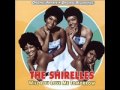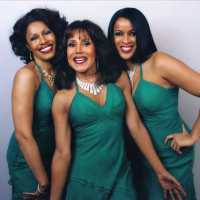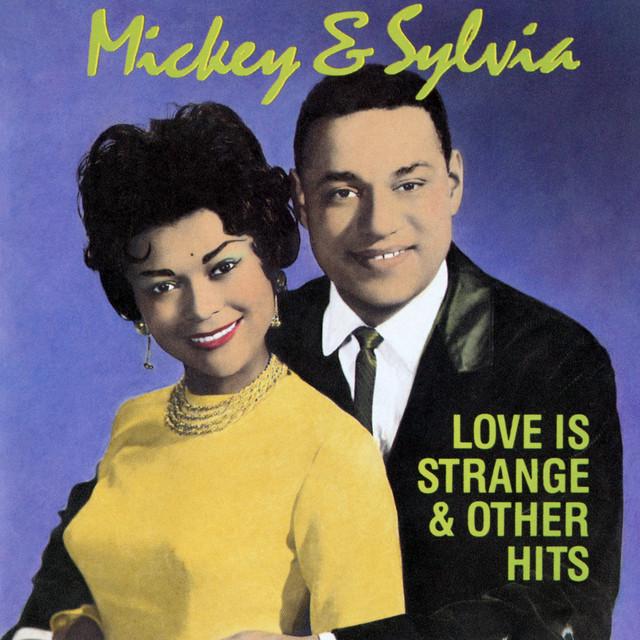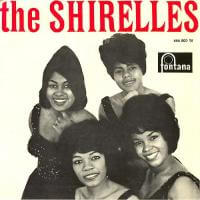
The Dixie Cups

Pop
Mainstream Pop
Soul
 Viberate Rank: 62019
 Viberate Rank: 62019
 Monthly ListenersFollowers
 Subscribers
 Followers
 Followers
 FansTop Spotify Songs
| Track | 7-Day Streams | |
|---|---|---|
1 | 270.25K | |
2 | 101.26K | |
3 | 6.34K | |
4 | 2.89K | |
5 | 2.89K |
Top YouTube VideosMonthly ListenersFeatured in Playlists| Playlist | Followers | |
|---|---|---|
1 |  Vietnam War Music Extra Music | 754.34K |
2 |  Soft 60s Spotify | 663.53K |
3 |  OLD LOVE SONGS 80's-90's meaghan b. | 503.19K |
4 |  Easy 60s Spotify | 366.21K |
5 |  Feel Good Songs 💛🌻💛 ErinEllisIsland | 292.82K |
Audience| City | Monthly Listeners | |
|---|---|---|
1 | | 9.44K |
2 | | 9.16K |
3 | | 7.52K |
4 | | 5.88K |
5 | | 5.66K |
See full performance history, audience data, playlist activity, rankings, comparisons, and more in Viberate music analytics. Start with a free trial, then continue with a paid plan.
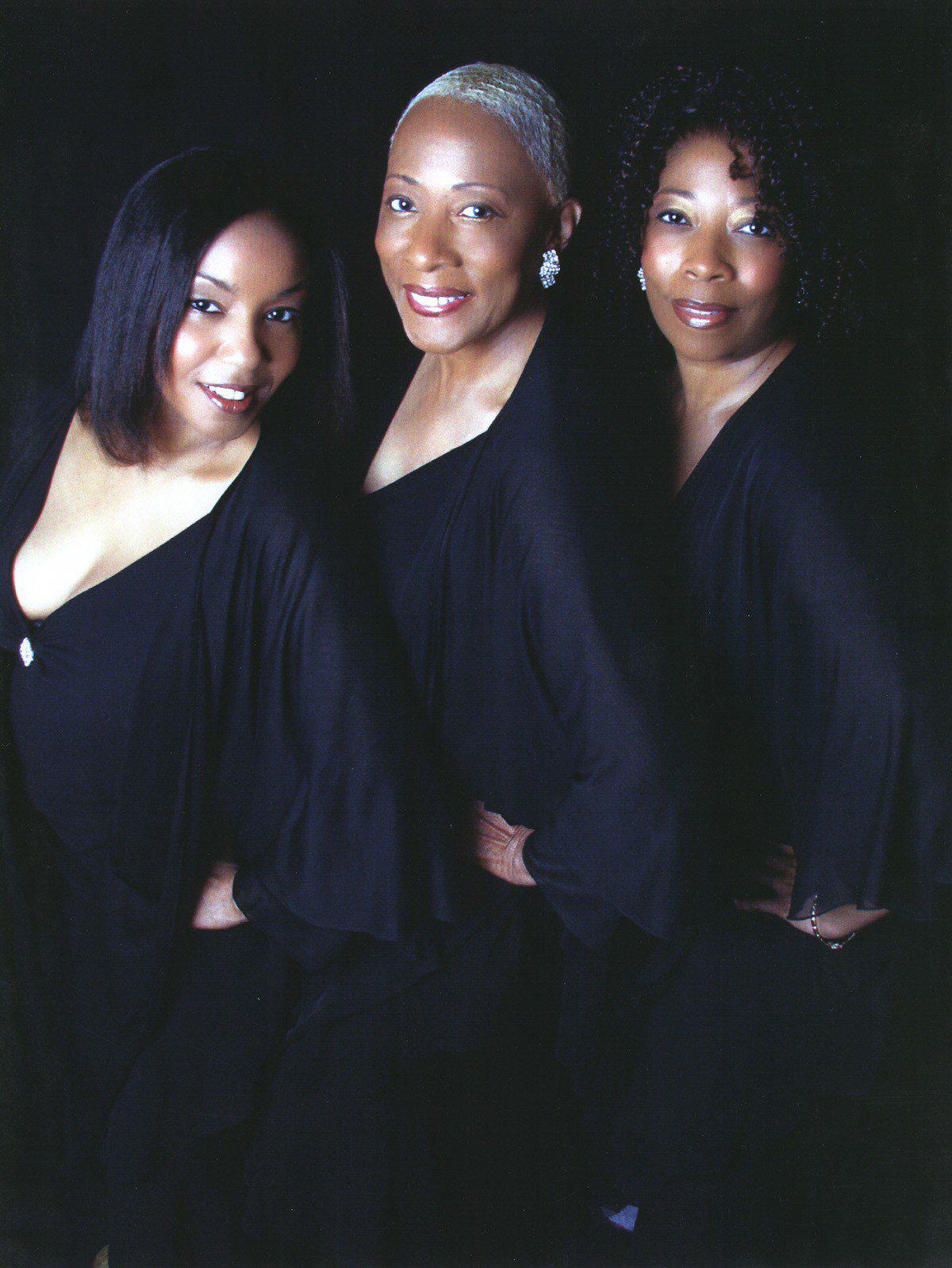
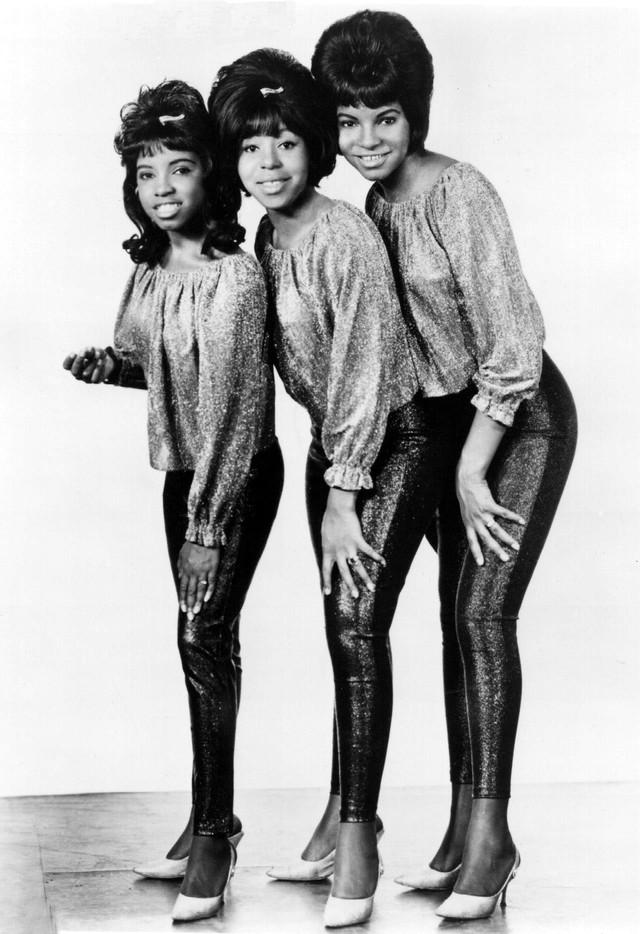
The Dixie Cups’ Spotify BioOne of the archetypal girl groups, the Dixie Cups were responsible for some of the hits that defined the girl group sound. Sweet harmonies, naïve romanticism, teenage melodrama, and innocent fun were at the heart of tunes like their chart-topping 1964 debut single, "Chapel of Love," and subsequent hits like "People Say," "You Should Have Seen the Way He Looked at Me," "Iko Iko," and many others. Though the trio only released music for a brief window in the mid-'60s, they remained somewhat active on-stage throughout the years, playing their iconic songs as part of oldies tours as the decades passed.
The original lineup of the Dixie Cups consisted of sisters Barbara Ann and Rosa Lee Hawkins and their cousin Jane Marie Johnson. Originally from New Orleans, the three grew up singing together and began competing in local talent competitions around 1963 under names such as the Meltones and Little Miss and the Muffetts. New Orleans producer/vocalist Joe Jones, best known for his 1960 hit "You… Talk Too Much," was impressed by the group's harmonies and signed them to a management deal. Under Jones' guidance, the trio relocated to New York and changed their name to the Dixie Cups. They signed on with Jerry Leiber and Mike Stoller's Red Bird Records label and had a hit right out of the gate in April 1964 with their debut single, the Phil Spector-Jeff Barry-Ellie Greenwich-penned "Chapel of Love." Although Spector had previously produced versions of "Chapel of Love" by the Crystals and the Ronettes, neither showed hints of the song's potential. The Dixie Cups' take on the tune was a number one hit, and a debut album also called Chapel of Love was released in August of the same year. Subsequent singles "People Say" and "You Should Have Seen the Way He Looked at Me" followed, both reaching the Top 40.
During a break in the studio, the members of the Dixie Cups began to jam on a traditional Mardi Gras tune, "Iko Iko," that the sisters had learned from their mother. "We were just clowning around with it," Barbara Hawkins later recalled, "using drumsticks on ashtrays." Unaware that Leiber and Stoller had tape rolling, the Dixie Cups performed with an enthusiasm that didn't always come through when they knew they were being recorded. Released in the spring of 1965 with overdubbed bass and percussion, "Iko Iko" was another hit. The group released their second album, Riding High, in 1965 with the ABC-Paramount label and recorded several more singles before falling into hiatus around 1966.
The Hawkins sisters returned to Louisiana to work as models before eventually re-forming the Dixie Cups in 1974 with new vocalist Dale Mickle. As the years went on, Mickle was replaced by Athelgra Neville Gabriel (sister of the Neville Brothers), and they remained active on the oldies touring circuit. Founding member Rosa Lee Hawkins died on January 11, 2022, in Tampa, Florida; she was 76 years old. ~ Craig Harris & Fred Thomas, Rovi
Viberate is a music analytics platform built for A&Rs, artist managers, labels, booking agents, marketers, and artists.
It helps music professionals track artist growth, analyze audience data, monitor playlist activity, compare artists, follow song performance, and identify opportunities across the music market.
Public artist pages provide a free preview of selected artist data. Paid plans provide access to deeper analytics, historical data, charts, comparisons, playlist tools, exports, alerts, reports, and additional professional features.
Yes. Public Viberate artist pages provide selected artist analytics and music data for free.
Viberate also offers a 7-day free trial of the full platform. A credit card is required to start the trial. The trial includes access to the complete product so users can test deeper artist analytics, historical views, playlist insights, comparisons, charts, exports, alerts, and reporting features before choosing a paid plan.
Viberate provides artist analytics across streaming, playlists, social media, video, radio airplay, songs, and audience markets.
Users can analyze Spotify performance, Spotify and Apple Music playlists, YouTube activity, TikTok and Instagram growth, radio spins, song performance, audience locations, demographics, rankings, and overall artist momentum.
Artist profiles also connect to music charts, similar artists, and comparison tools, helping users benchmark performance and evaluate artists in context.
Viberate updates key artist and track data daily.
For followed artists and tracks, selected data is refreshed multiple times per day. This helps teams monitor playlist changes, streaming movement, audience growth, releases, and campaign performance with more current data.
Update frequency can vary depending on the metric and data source.
Yes. Viberate lets users compare up to five artists side by side across streaming, social media, audience, and engagement metrics.
Users can compare fanbase growth, audience demographics, locations, Spotify performance, social metrics, and other artist data over selected time periods.
Artist comparison can be used for A&R scouting, benchmarking, booking decisions, campaign planning, and evaluating artists with similar audiences or market positions.