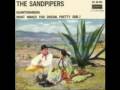
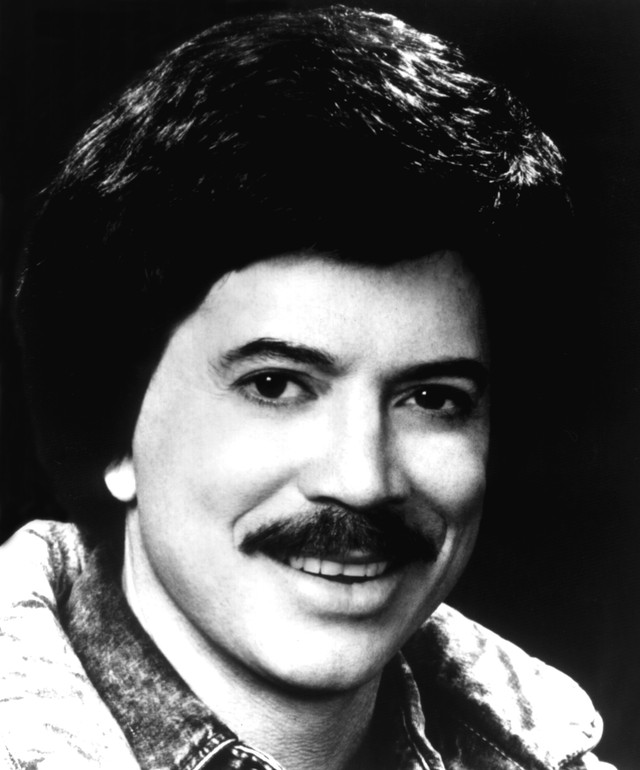
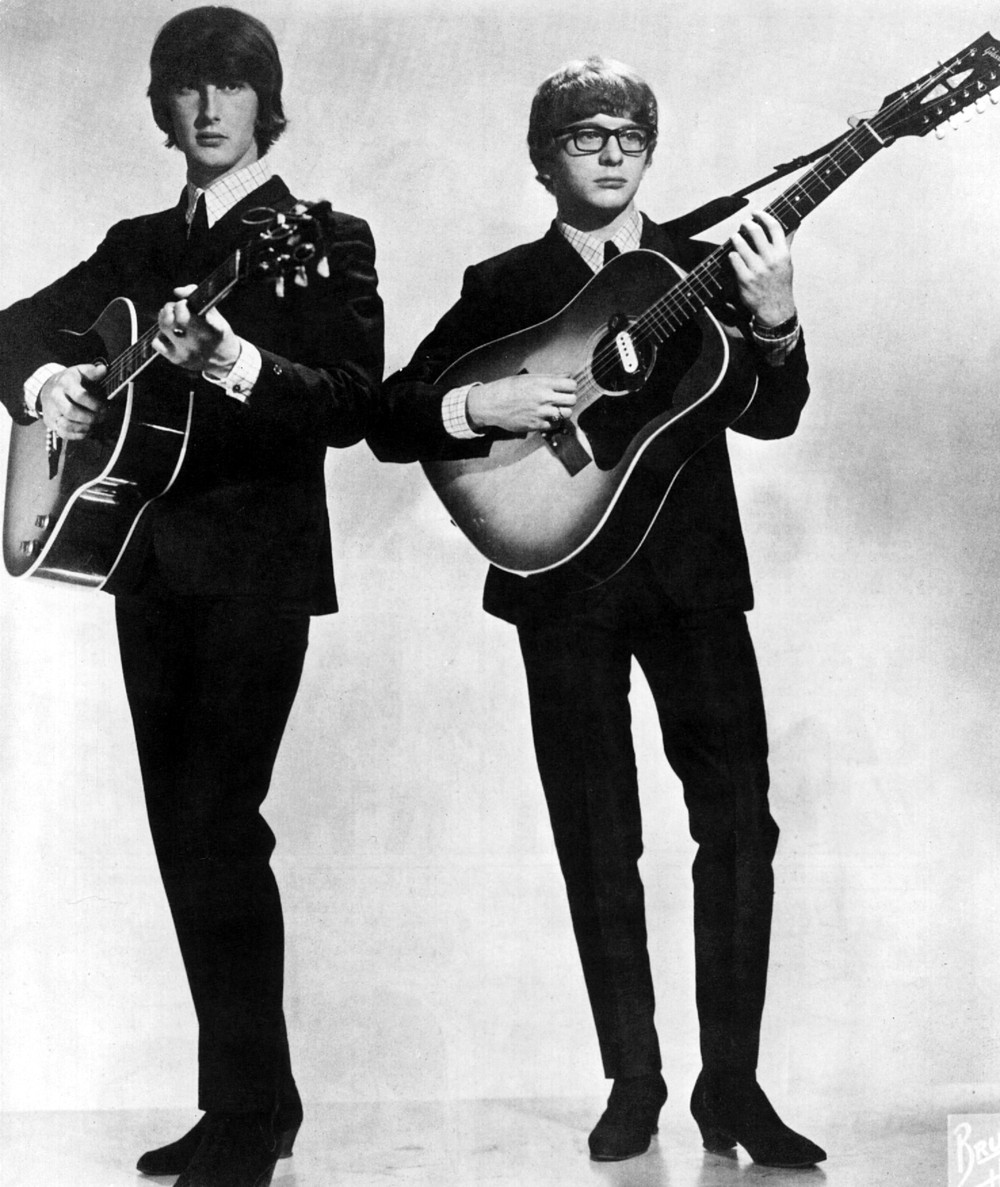
The Sandpipers

Pop
Mainstream Pop
Indie Pop
 Viberate Rank: 102632
 Viberate Rank: 102632
 Monthly ListenersFollowers
 Subscribers
 Followers
 Followers
 FansTop Spotify Songs
| Track | 7-Day Streams | |
|---|---|---|
1 | 31.15K | |
2 | 5.64K | |
3 | 4.82K | |
4 | 4.68K | |
5 | 3.99K |
Top YouTube VideosMonthly ListenersFeatured in Playlists| Playlist | Followers | |
|---|---|---|
1 |  Golden Instrumentals Spotify | 347.10K |
2 |  Los 60s Spotify | 52.27K |
3 |  Very Beautiful Songs Alex Delany | 24.83K |
4 | Unofficial Reverb Radio Jeff Ferruzzo | 21.82K |
5 | Goude oude jaren 60/70 tinymath | 18.03K |
Audience| City | Monthly Listeners | |
|---|---|---|
1 |  | 2.61K |
2 |  | 1.77K |
3 |  | 1.48K |
4 | | 1.28K |
5 |  | 1.01K |
See full performance history, audience data, playlist activity, rankings, comparisons, and more in Viberate music analytics. Start with a free trial, then continue with a paid plan.
The Sandpipers’ Spotify BioThe Sandpipers were a male vocal trio that recorded a handful of easy listening pop hits in the mid-'60s. The group was distinguished by its light, breezy harmonies, which floated over delicate, breezy string arrangements, as well as the occasional appearance of a wordless female backing vocalist who drifted in and out of the music. Though they didn't manage to have a long, sustained career, the group did have one Top Ten hit with "Guantanamera" in 1966.
Originally, the Sandpipers were known as the Four Seasons. The three members -- Jim Brady, Mike Piano, and Richard Shoff -- were part of the Californian Mitchell Boys Choir before they formed their own group. Shortly after their formation, they learned that there was a New York group using the name the Four Seasons, so they changed their name to the Grads. As the Grads, they cut a handful of singles, which helped the group secure a residency at a Lake Tahoe nightclub.
After the Grads had been performing in Lake Tahoe for a while, a… friend of the group introduced them to trumpeter Herb Alpert, who ran his own record label, A&M. Impressed, he signed the group to a record contract. A&M released a handful of singles by the Grads before the trio changed its name to the Sandpipers. None of the singles the group released were successful until their producer, Tommy LiPuma, recommended that they record a South American folk song called "Guantanamera." Once "Guantanamera" was released in 1966, it became a major hit, reaching the Top Ten in both the United States and Britain.
The Sandpipers managed to follow "Guantanamera" with several minor hits, including versions of "Louie Louie" and "Kumbaya." During this time, the group had taken to recording and performing with a supporting female vocalist named Pamela Ramcier. Ramcier contributed ethereal, wordless vocals to the group. Her vocals never acted as harmonies to the group's singing; they functioned in a supporting role, much like the strings that comprised the band's instrumental backing. Although Ramcier was never credited on the albums and was always shrouded in shadows during concerts -- though her hip, mod outfits complete with miniskirts and go-go boots often made her more noticeable than the actual Sandpipers -- her voice was one of the most distinctive elements of the group's music.
In 1970, they contributed songs to The Sterile Cuckoo ("Come Saturday Morning") and Russ Meyer's Beyond the Valley of the Dolls. Though the Sandpipers continued to record into the '70s, their audience diminished with each successive year. After spending five years without any chart success, the group disbanded in the mid-'70s. ~ Stephen Thomas Erlewine, Rovi
Viberate is a music analytics platform built for A&Rs, artist managers, labels, booking agents, marketers, and artists.
It helps music professionals track artist growth, analyze audience data, monitor playlist activity, compare artists, follow song performance, and identify opportunities across the music market.
Public artist pages provide a free preview of selected artist data. Paid plans provide access to deeper analytics, historical data, charts, comparisons, playlist tools, exports, alerts, reports, and additional professional features.
Yes. Public Viberate artist pages provide selected artist analytics and music data for free.
Viberate also offers a 7-day free trial of the full platform. A credit card is required to start the trial. The trial includes access to the complete product so users can test deeper artist analytics, historical views, playlist insights, comparisons, charts, exports, alerts, and reporting features before choosing a paid plan.
Viberate provides artist analytics across streaming, playlists, social media, video, radio airplay, songs, and audience markets.
Users can analyze Spotify performance, Spotify and Apple Music playlists, YouTube activity, TikTok and Instagram growth, radio spins, song performance, audience locations, demographics, rankings, and overall artist momentum.
Artist profiles also connect to music charts, similar artists, and comparison tools, helping users benchmark performance and evaluate artists in context.
Viberate updates key artist and track data daily.
For followed artists and tracks, selected data is refreshed multiple times per day. This helps teams monitor playlist changes, streaming movement, audience growth, releases, and campaign performance with more current data.
Update frequency can vary depending on the metric and data source.
Yes. Viberate lets users compare up to five artists side by side across streaming, social media, audience, and engagement metrics.
Users can compare fanbase growth, audience demographics, locations, Spotify performance, social metrics, and other artist data over selected time periods.
Artist comparison can be used for A&R scouting, benchmarking, booking decisions, campaign planning, and evaluating artists with similar audiences or market positions.