The Playmates

Pop
Mainstream Pop
Soul
 Viberate Rank: 255291
 Viberate Rank: 255291
 Monthly ListenersFollowers
 Subscribers
 Followers
 Followers
 FansTop Spotify Songs
| Track | 7-Day Streams | |
|---|---|---|
1 | 6.09K | |
2 | 205 | |
3 | 205 | |
4 | 199 | |
5 | 199 |
Top YouTube VideosMonthly ListenersFeatured in Playlists| Playlist | Followers | |
|---|---|---|
1 |  1950s hits (300) mervynvankuyen | 24.29K |
2 |  Dr Demento Favorites Cade Benoit | 14.83K |
3 | So I heard Ya' like Musicals 1288180 | 12.55K |
4 | Funny songs 50s 60s lisa | 8.13K |
5 | Dr Demento Flashbacks Paul Jankovskis | 5.99K |
Audience| City | Monthly Listeners | |
|---|---|---|
1 | | 338 |
2 | | 273 |
3 | | 262 |
4 | | 184 |
5 | | 180 |
See full performance history, audience data, playlist activity, rankings, comparisons, and more in Viberate music analytics. Start with a free trial, then continue with a paid plan.
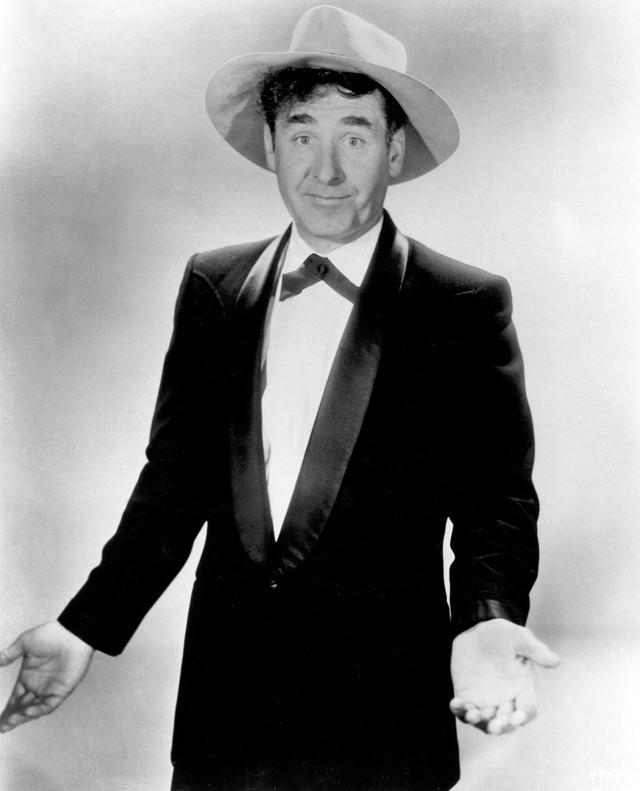
The Playmates’ Spotify BioThe Playmates -- best known for "Beep Beep," one of several Top 40 hits -- were one of the first rock & roll groups signed to the New York-based Roulette Records, formed and co-owned by music industry leaders Morris Levy, Joe Kolsky, and George Goldner. Originally known as the Nitwits (probably a better name for them in the long run), the Playmates had been performing in the area around Waterbury, CT, for five years before signing to Roulette in 1958. The label had already scored a few rock & roll hits by the time they signed the group; unfortunately, the Playmates' specialty was not rock & roll, but novelty music.
Despite the oft-corny lyrical content of their upbeat pop fare, they earned two hits right away with "Jo Ann" and "Beep Beep," the latter with a chorus that featured the group repeating a phrase of car beeps ("beep beep, beep beep, this car goes beep, beep beep"). Despite its silliness, "Beep Beep" -- written by group members Carl Cicchetti and Donald Claps -- climbed to… number four in the nation in December 1958 and earned the Playmates the right to record an album, At Play With the Playmates, which followed soon after.
In 1959, they scored again with "What Is Love?" (number 15) and followed suit the next year with "Wait for Me" (number 37). The group subsequently recorded three additional albums for the label: Cuttin' Capers, Wait for Me, and Broadway Showstoppers. Another album, The Playmates Visit West of the Indies, was issued on an early- to mid-'60s budget reissue label called Forum Records, which was a division of Roulette Records. The group disbanded in 1964. ~ Bryan Thomas, Rovi
Viberate is a music analytics platform built for A&Rs, artist managers, labels, booking agents, marketers, and artists.
It helps music professionals track artist growth, analyze audience data, monitor playlist activity, compare artists, follow song performance, and identify opportunities across the music market.
Public artist pages provide a free preview of selected artist data. Paid plans provide access to deeper analytics, historical data, charts, comparisons, playlist tools, exports, alerts, reports, and additional professional features.
Yes. Public Viberate artist pages provide selected artist analytics and music data for free.
Viberate also offers a 7-day free trial of the full platform. A credit card is required to start the trial. The trial includes access to the complete product so users can test deeper artist analytics, historical views, playlist insights, comparisons, charts, exports, alerts, and reporting features before choosing a paid plan.
Viberate provides artist analytics across streaming, playlists, social media, video, radio airplay, songs, and audience markets.
Users can analyze Spotify performance, Spotify and Apple Music playlists, YouTube activity, TikTok and Instagram growth, radio spins, song performance, audience locations, demographics, rankings, and overall artist momentum.
Artist profiles also connect to music charts, similar artists, and comparison tools, helping users benchmark performance and evaluate artists in context.
Viberate updates key artist and track data daily.
For followed artists and tracks, selected data is refreshed multiple times per day. This helps teams monitor playlist changes, streaming movement, audience growth, releases, and campaign performance with more current data.
Update frequency can vary depending on the metric and data source.
Yes. Viberate lets users compare up to five artists side by side across streaming, social media, audience, and engagement metrics.
Users can compare fanbase growth, audience demographics, locations, Spotify performance, social metrics, and other artist data over selected time periods.
Artist comparison can be used for A&R scouting, benchmarking, booking decisions, campaign planning, and evaluating artists with similar audiences or market positions.