The Newbeats

Pop
Mainstream Pop
Soul
Pop Rock
 Viberate Rank: 191166
 Viberate Rank: 191166
 Monthly ListenersFollowers
 Subscribers
 Followers
 Followers
 FansTop Spotify Songs
| Track | 7-Day Streams | |
|---|---|---|
1 | 19.85K | |
2 | 1.39K | |
3 | 120 | |
4 | 93 | |
5 | 86 |
Top YouTube VideosMonthly ListenersFeatured in Playlists| Playlist | Followers | |
|---|---|---|
1 |  50s 60s Dance Classics Artios Entertainment | 21.30K |
2 | Pure Class Jack Meehan | 20.94K |
3 |  Upbeat Office Clean Mix @Pitcher716 | 19.52K |
4 | Jaren 60 en 70 teuntje60 | 17.65K |
5 | 50s 60s Oldies Sean McKenzie | 16.78K |
Audience| City | Monthly Listeners | |
|---|---|---|
1 | | 482 |
2 |  | 403 |
3 |  | 397 |
4 | | 347 |
5 | | 330 |
See full performance history, audience data, playlist activity, rankings, comparisons, and more in Viberate music analytics. Start with a free trial, then continue with a paid plan.
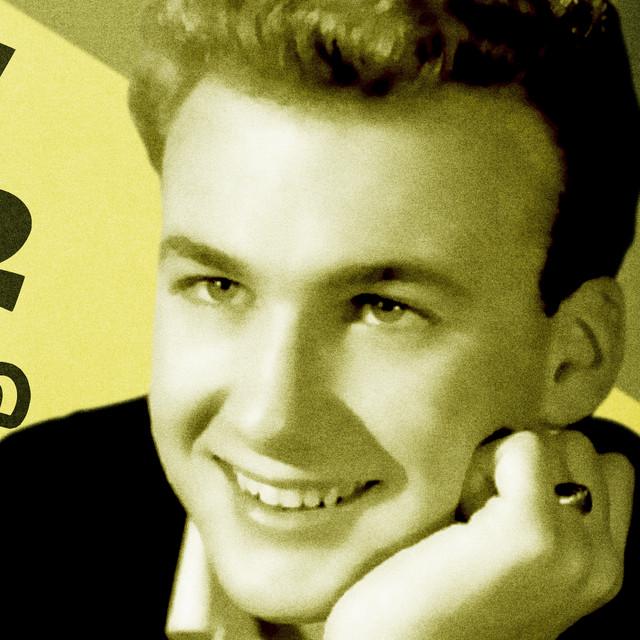
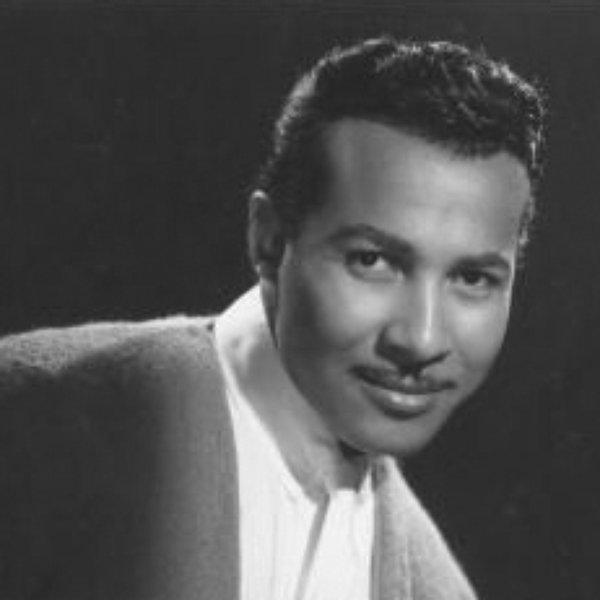
The Newbeats’ Spotify BioBest remembered for their 1964 smash "Bread and Butter," Nashville pop vocal trio the Newbeats teamed singer Larry Henley with brothers Dean and Mark Mathis. The Mathises previously performed as the duo Dean & Mark, notching a minor hit in 1959 with the single "Tell Him No"; three years later, Henley briefly collaboated with the siblings before mounting a largely unsuccessful solo career at Hickory Records. When the Mathis brothers joined the label in 1964, the three reunited as the Newbeats; featuring Henley's distinctive falsetto, the group's debut single "Bread and Butter" rocketed to number two on the U.S. pop charts, soon followed by the Top 20 entry "Everything's Alright." The Newbeats' third hit, "Break Away (From That Boy)," cracked the Top 40 in the spring of 1965, and although "Run Baby Run (Back Into My Arms)" reached as high as number 12 that fall, it was the trio's last chart entry, although they remained with Hickory until 1972. Brief stints at Buddah and Playboy followed… before the Newbeats dissolved in 1974. After releasing a handful of solo records, Henley turned his energies to songwriting, most famously authoring the Bette Midler smash "Wind Beneath My Wings." ~ Jason Ankeny
Viberate is a music analytics platform built for A&Rs, artist managers, labels, booking agents, marketers, and artists.
It helps music professionals track artist growth, analyze audience data, monitor playlist activity, compare artists, follow song performance, and identify opportunities across the music market.
Public artist pages provide a free preview of selected artist data. Paid plans provide access to deeper analytics, historical data, charts, comparisons, playlist tools, exports, alerts, reports, and additional professional features.
Yes. Public Viberate artist pages provide selected artist analytics and music data for free.
Viberate also offers a 7-day free trial of the full platform. A credit card is required to start the trial. The trial includes access to the complete product so users can test deeper artist analytics, historical views, playlist insights, comparisons, charts, exports, alerts, and reporting features before choosing a paid plan.
Viberate provides artist analytics across streaming, playlists, social media, video, radio airplay, songs, and audience markets.
Users can analyze Spotify performance, Spotify and Apple Music playlists, YouTube activity, TikTok and Instagram growth, radio spins, song performance, audience locations, demographics, rankings, and overall artist momentum.
Artist profiles also connect to music charts, similar artists, and comparison tools, helping users benchmark performance and evaluate artists in context.
Viberate updates key artist and track data daily.
For followed artists and tracks, selected data is refreshed multiple times per day. This helps teams monitor playlist changes, streaming movement, audience growth, releases, and campaign performance with more current data.
Update frequency can vary depending on the metric and data source.
Yes. Viberate lets users compare up to five artists side by side across streaming, social media, audience, and engagement metrics.
Users can compare fanbase growth, audience demographics, locations, Spotify performance, social metrics, and other artist data over selected time periods.
Artist comparison can be used for A&R scouting, benchmarking, booking decisions, campaign planning, and evaluating artists with similar audiences or market positions.