Napoleon XIV

Rock
Pop Rock
 Viberate Rank: 196543
 Viberate Rank: 196543
 Monthly ListenersFollowers
 Subscribers
 Followers
 Followers
 FansTop Spotify Songs
| Track | 7-Day Streams | |
|---|---|---|
1 | 15.80K | |
2 | 548 | |
3 | 479 | |
4 | 377 | |
5 | 346 |
Top YouTube Videos| Video | 7-Day Views | |
|---|---|---|
1 | 8.03K | |
2 | 178 | |
3 | 95 | |
4 | 68 | |
5 | 45 |
Monthly ListenersFeatured in Playlists| Playlist | Followers | |
|---|---|---|
1 |  tiktok songs that are stuck in my head yasmine q | 102.32K |
2 |  Songs and Their Samples Aidan Joyce | 52.71K |
3 |  Kanye West - The Samples Starfish & Coffee | 50.25K |
4 |  halloween vibes chrisjb888 | 42.46K |
5 |  worst songs to have sex to notjibi | 31.07K |
Audience| City | Monthly Listeners | |
|---|---|---|
1 | | 991 |
2 | | 791 |
3 | | 667 |
4 | | 599 |
5 | | 588 |
See full performance history, audience data, playlist activity, rankings, comparisons, and more in Viberate music analytics. Start with a free trial, then continue with a paid plan.
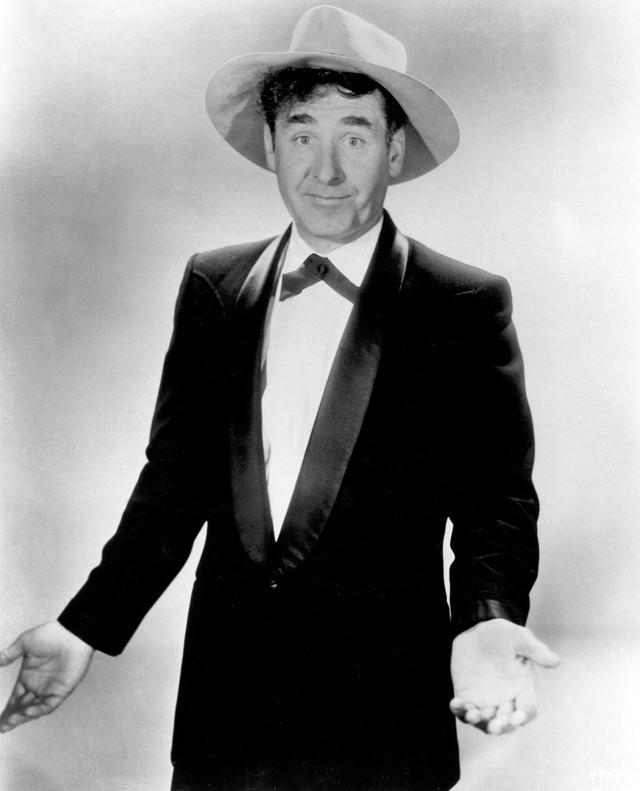
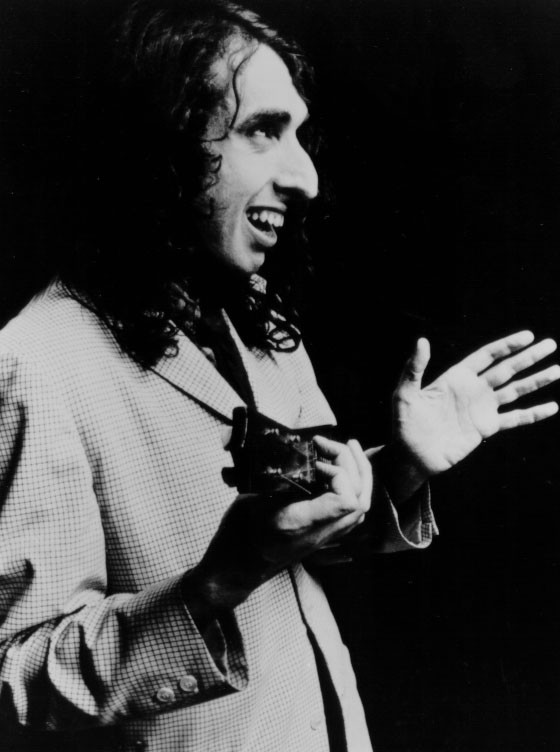
Napoleon XIV’s Spotify BioThe weirdest novelty record to hit the Top 40 -- indeed, a strong candidate for the weirdest hit record of any kind, period -- was Napoleon XIV's "They're Coming to Take Me Away, Ha-Haaa!" Against a clomp-clomp tambourine beat, Napoleon spoke-chanted his manic-depressive tale of failed romance, the vocals suddenly speeding up into an unsettlingly cheerful giddiness as sirens revved up in the background. Not a single note of music was played or sung throughout the track, which zoomed up to number three in the summer of 1966, as the necessary counterpoint to Barry Sadler's insipid, similarly off-the-wall smash that year, "The Ballad of the Green Berets." The implications of a song in which the narrator describes himself going crazy and being carted off to the loony bin selling a million copies had unsettling implications for a nation that prides itself on its stability and character. It engendered great controversy and only stayed in the Top 20 for five weeks, partially because many… radio stations withdrew the record from their playlists, possibly because of complaints from concerned parents and other righteous citizens.
Napoleon XIV was actually Jerry Samuels, a 28-year-old recording engineer who had previously written small hit singles for pop crooners Johnny Ray and Sammy Davis, Jr., as well as making a conventional single of his own. "They're Coming to Take Me Away" was a sophisticated production feat for its time, with a maddening beat produced by tambourines, drums, and thigh slaps. The principal drum pattern was crafted by looping a ten-second piece of tape, and Samuels varied the speed of the vocals to simulate the off-the-rails state of a man going crazy while keeping the background tempo constant. Even weirder was the flipside, "!Aaah-ah, Yawa Em Ekat ot Gnimoc Er'yeht," which was -- you guessed it -- the A-side run backwards, a blend that yielded what was probably the most unlistenable piece of vinyl of all time.
To capitalize on the left-field success of "They're Coming to Take Me Away," Samuels/Napoleon XIV quickly produced an album of variations on the theme, such as "Bats in My Belfry" and "I Live in a Split-Level Head." Most of the material (unlike the single) was not written by Samuels, but by comedy writer Jim Lehner (once the head writer for Jonathan Winters) and composer Bobby Gosh (then writing with Sammy Cahn), and the novelty quickly wore thin over the course of an LP. "They're Coming to Take Me Away" isn't the kind of single that lends itself to formulaic follow-ups, though Samuels/Napoleon XIV did release other singles, and recorded an unreleased album in the late '60s. Considering its title, For God's Sake, Stop the Feces!, it may have been better off remaining in the can.
Samuels went on to a career as unpredictable as his hit smash, making his living for a time selling marijuana roach clips to head shops. For a couple of decades, he worked the piano bars of the Philadelphia area; on a Napoleon XIV reissue CD he proudly noted that "I became probably the most popular entertainer at nursing homes and senior facilities in the Philadelphia and Delaware Valley area." (Presumably he didn't play his hit single for those audiences.) That reissue CD combined the 1966 Napoleon XIV album with some additional material from the '60s and some later tracks recorded in 1995. Jerry Samuels died on March 10, 2023 in Phoenixville, Pennsylvania after suffering a heart attack; he was 84 years of age. ~ Richie Unterberger, Rovi
Viberate is a music analytics platform built for A&Rs, artist managers, labels, booking agents, marketers, and artists.
It helps music professionals track artist growth, analyze audience data, monitor playlist activity, compare artists, follow song performance, and identify opportunities across the music market.
Public artist pages provide a free preview of selected artist data. Paid plans provide access to deeper analytics, historical data, charts, comparisons, playlist tools, exports, alerts, reports, and additional professional features.
Yes. Public Viberate artist pages provide selected artist analytics and music data for free.
Viberate also offers a 7-day free trial of the full platform. A credit card is required to start the trial. The trial includes access to the complete product so users can test deeper artist analytics, historical views, playlist insights, comparisons, charts, exports, alerts, and reporting features before choosing a paid plan.
Viberate provides artist analytics across streaming, playlists, social media, video, radio airplay, songs, and audience markets.
Users can analyze Spotify performance, Spotify and Apple Music playlists, YouTube activity, TikTok and Instagram growth, radio spins, song performance, audience locations, demographics, rankings, and overall artist momentum.
Artist profiles also connect to music charts, similar artists, and comparison tools, helping users benchmark performance and evaluate artists in context.
Viberate updates key artist and track data daily.
For followed artists and tracks, selected data is refreshed multiple times per day. This helps teams monitor playlist changes, streaming movement, audience growth, releases, and campaign performance with more current data.
Update frequency can vary depending on the metric and data source.
Yes. Viberate lets users compare up to five artists side by side across streaming, social media, audience, and engagement metrics.
Users can compare fanbase growth, audience demographics, locations, Spotify performance, social metrics, and other artist data over selected time periods.
Artist comparison can be used for A&R scouting, benchmarking, booking decisions, campaign planning, and evaluating artists with similar audiences or market positions.