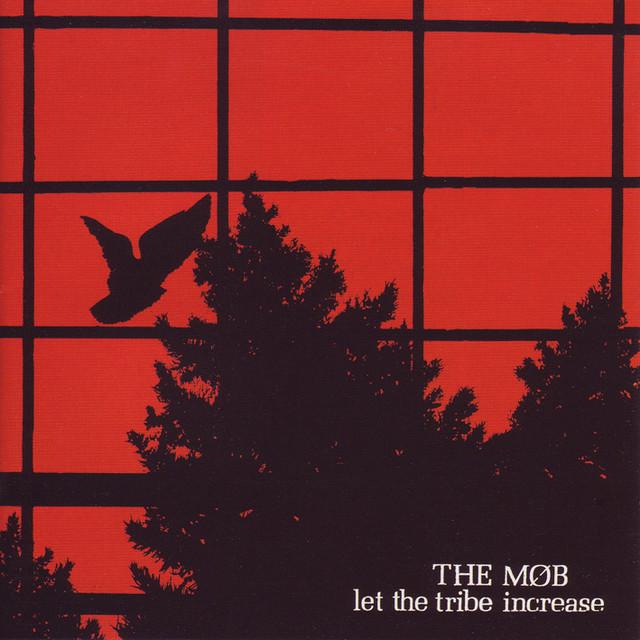
The Mob

Punk
Punk Rock
Death Rock
 Viberate Rank: 254538
 Viberate Rank: 254538
 Monthly ListenersFollowers
 Subscribers
 Followers
 Followers
 FansTop Spotify Songs
| Track | 7-Day Streams | |
|---|---|---|
1 | 867 | |
2 | 386 | |
3 | 329 | |
4 | 246 | |
5 | 220 |
Top YouTube VideosMonthly ListenersFeatured in Playlists| Playlist | Followers | |
|---|---|---|
1 | Anarcho-punk Sheer Addiction | 8.15K |
2 |  Goth/Darkwave Beach Fossils | 4.64K |
3 |  UK82 PUNK ROCK ! False Flag | 4.09K |
4 |  Henry Rollins KCRW radioshow Roadrunner Music | 3.56K |
5 |  Hardcore Punk | Anarcho | Crust | D-Beat gabe cevallos | 3.33K |
Audience| City | Monthly Listeners | |
|---|---|---|
1 |  | 137 |
2 | | 121 |
3 | | 76 |
4 | | 60 |
5 | | 59 |
See full performance history, audience data, playlist activity, rankings, comparisons, and more in Viberate music analytics. Start with a free trial, then continue with a paid plan.
The Mob’s Spotify BioIn many ways The Mob were the archetypal anarcho punk band. Formed in Yeovil, Somerset in 1979 the band soon spent their time permanently on the road in a convoy of trucks before squatting in Brougham Road, Hackney – a street of houses that accommodated many punk and counter-culture types. Until their demise in 1983 they remained an integral part and a huge influence on the anarcho, traveller and free festival scenes.
Their first release was the 1980 Crying Again single on their own All The Madmen label, followed later that year by the Ching cassette. 1981 saw another single the hugely popular and haunting Witch Hunt soon followed by their now legendary Crass single No Doves Fly Here, both taking anarcho punk into new musically unchartered waters.
1983 saw the release of their now legendary album Let The Tribe Increase, an album that saw them moving away from the constraints of the punk sound as they continued to push the musical boundaries. This trend continued in their epic single The… Mirror Breaks.
The Mob’s invlovement with the counterculture saw them playing gigs with archetypal hippies Here & Now and Androids of Mu as well as being actively involved in the Persons Unknown and Centro Iberico anarchist centres and the Black Sheep Housing Co-operative.
Eventually The Mob dissolved with Joseph Porter joining Zounds before founding Blyth Power.
Viberate is a music analytics platform built for A&Rs, artist managers, labels, booking agents, marketers, and artists.
It helps music professionals track artist growth, analyze audience data, monitor playlist activity, compare artists, follow song performance, and identify opportunities across the music market.
Public artist pages provide a free preview of selected artist data. Paid plans provide access to deeper analytics, historical data, charts, comparisons, playlist tools, exports, alerts, reports, and additional professional features.
Yes. Public Viberate artist pages provide selected artist analytics and music data for free.
Viberate also offers a 7-day free trial of the full platform. A credit card is required to start the trial. The trial includes access to the complete product so users can test deeper artist analytics, historical views, playlist insights, comparisons, charts, exports, alerts, and reporting features before choosing a paid plan.
Viberate provides artist analytics across streaming, playlists, social media, video, radio airplay, songs, and audience markets.
Users can analyze Spotify performance, Spotify and Apple Music playlists, YouTube activity, TikTok and Instagram growth, radio spins, song performance, audience locations, demographics, rankings, and overall artist momentum.
Artist profiles also connect to music charts, similar artists, and comparison tools, helping users benchmark performance and evaluate artists in context.
Viberate updates key artist and track data daily.
For followed artists and tracks, selected data is refreshed multiple times per day. This helps teams monitor playlist changes, streaming movement, audience growth, releases, and campaign performance with more current data.
Update frequency can vary depending on the metric and data source.
Yes. Viberate lets users compare up to five artists side by side across streaming, social media, audience, and engagement metrics.
Users can compare fanbase growth, audience demographics, locations, Spotify performance, social metrics, and other artist data over selected time periods.
Artist comparison can be used for A&R scouting, benchmarking, booking decisions, campaign planning, and evaluating artists with similar audiences or market positions.