The Sunshine Fix

Rock
Indie Rock
Indie Pop
 Viberate Rank: 419838
 Viberate Rank: 419838
 Monthly ListenersFollowers
 Subscribers
 Followers
 Followers
 FansTop Spotify Songs
| Track | 7-Day Streams | |
|---|---|---|
1 | 238 | |
2 | 120 | |
3 | 103 | |
4 | 53 | |
5 | 34 |
Top YouTube VideosMonthly ListenersFeatured in Playlists| Playlist | Followers | |
|---|---|---|
1 | Unofficial Reverb Radio Jeff Ferruzzo | 21.82K |
2 |  THE BUNNY RADIO: MONDEGREEN 2024 EvenPhlow | 5.12K |
3 |  Slowdown Slow Jams Slowdown Studio | 5.03K |
4 |  The Elephant 6 Collective Frans Buys | 4.79K |
5 | Felicity- Complete Soundtrack lisa_anthem | 2.07K |
Audience| City | Monthly Listeners | |
|---|---|---|
1 | | 32 |
2 | | 24 |
3 | | 20 |
4 | | 19 |
5 | | 19 |
See full performance history, audience data, playlist activity, rankings, comparisons, and more in Viberate music analytics. Start with a free trial, then continue with a paid plan.
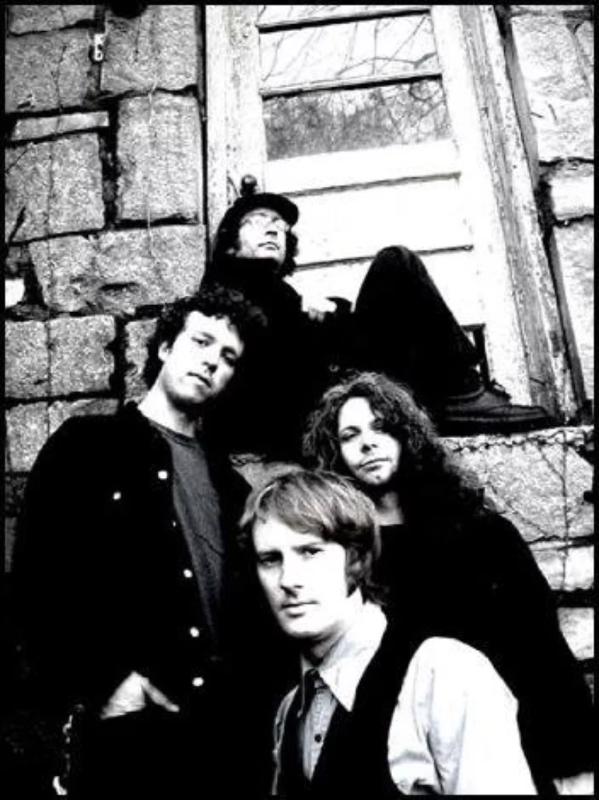
The Sunshine Fix’s Spotify BioThe Sunshine Fix was the brainchild of Bill Doss, former member of the Olivia Tremor Control. After the breakup of OTC, the Sunshine Fix showed Doss to be the Paul McCartney to Will Cullen Hart's John Lennon. Leaving the radical experimentalism of OTC to Hart's project Circulatory System, the Sunshine Fix focused on the more pop end of the spectrum, even incorporating some country and soul influences on their debut EP, A Future History of the Sunshine Fix. With the help of other members of the still-fertile Athens, Georgia, scene and the Elephant 6 collective, the Sunshine Fix put out their debut full-length, Age of the Sun, on the Emperor Norton label in 2002. After a shift to Spin Art records, the group released its second full-length, Green Imagination, in 2004. Sadly, Bill Doss died in July 2012 at the age of 44. ~ Sean Westergaard, Rovi
Viberate is a music analytics platform built for A&Rs, artist managers, labels, booking agents, marketers, and artists.
It helps music professionals track artist growth, analyze audience data, monitor playlist activity, compare artists, follow song performance, and identify opportunities across the music market.
Public artist pages provide a free preview of selected artist data. Paid plans provide access to deeper analytics, historical data, charts, comparisons, playlist tools, exports, alerts, reports, and additional professional features.
Yes. Public Viberate artist pages provide selected artist analytics and music data for free.
Viberate also offers a 7-day free trial of the full platform. A credit card is required to start the trial. The trial includes access to the complete product so users can test deeper artist analytics, historical views, playlist insights, comparisons, charts, exports, alerts, and reporting features before choosing a paid plan.
Viberate provides artist analytics across streaming, playlists, social media, video, radio airplay, songs, and audience markets.
Users can analyze Spotify performance, Spotify and Apple Music playlists, YouTube activity, TikTok and Instagram growth, radio spins, song performance, audience locations, demographics, rankings, and overall artist momentum.
Artist profiles also connect to music charts, similar artists, and comparison tools, helping users benchmark performance and evaluate artists in context.
Viberate updates key artist and track data daily.
For followed artists and tracks, selected data is refreshed multiple times per day. This helps teams monitor playlist changes, streaming movement, audience growth, releases, and campaign performance with more current data.
Update frequency can vary depending on the metric and data source.
Yes. Viberate lets users compare up to five artists side by side across streaming, social media, audience, and engagement metrics.
Users can compare fanbase growth, audience demographics, locations, Spotify performance, social metrics, and other artist data over selected time periods.
Artist comparison can be used for A&R scouting, benchmarking, booking decisions, campaign planning, and evaluating artists with similar audiences or market positions.