Skids

Punk
Punk Rock
Pop Rock
 Viberate Rank: 107890
 Viberate Rank: 107890
 Monthly ListenersFollowers
 Subscribers
 Followers
 Followers
 FansTop Spotify Songs
| Track | 7-Day Streams | |
|---|---|---|
1 | 20.94K | |
2 | 12.15K | |
3 | 3.02K | |
4 | 2.96K | |
5 | 2.53K |
Top YouTube VideosMonthly ListenersFeatured in Playlists| Playlist | Followers | |
|---|---|---|
1 |  Alternative 70s Spotify | 451.35K |
2 |  Made in Scotland Spotify | 95.24K |
3 |  Die Toten Hosen - Complete Die Toten Hosen | 37.00K |
4 |  GOTH ULTIMATE LIST | DARK WAVE/POST-PUNK/GOTHIC ROCK/EBM/SYNTH/DEATH ROCK Annie Dark | 31.59K |
5 |  PUNK (70s+80s) (Ultimate Playlist) KERRIO88 | 22.16K |
Audience| City | Monthly Listeners | |
|---|---|---|
1 | | 5.62K |
2 | | 3.39K |
3 | | 3.17K |
4 | | 1.62K |
5 |  | 806 |
See full performance history, audience data, playlist activity, rankings, comparisons, and more in Viberate music analytics. Start with a free trial, then continue with a paid plan.
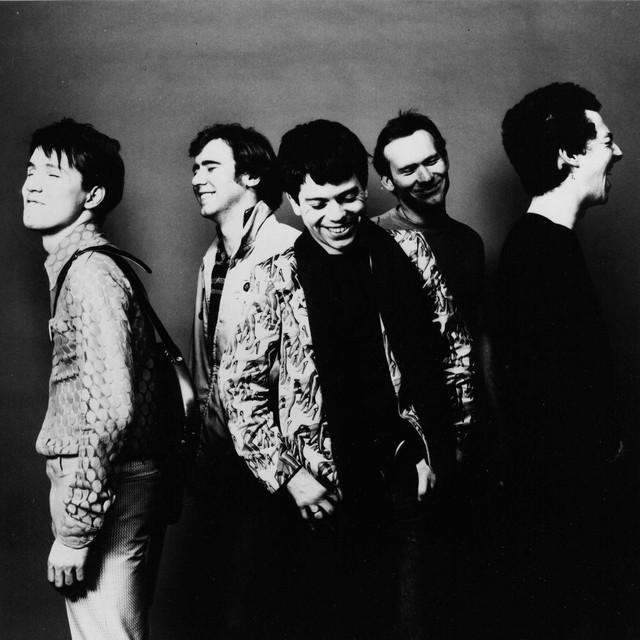
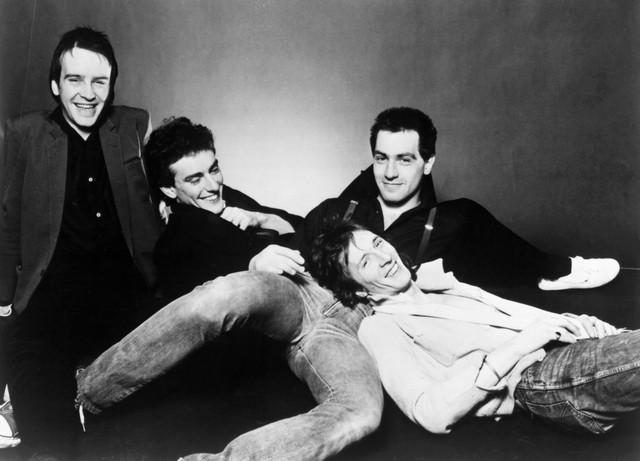
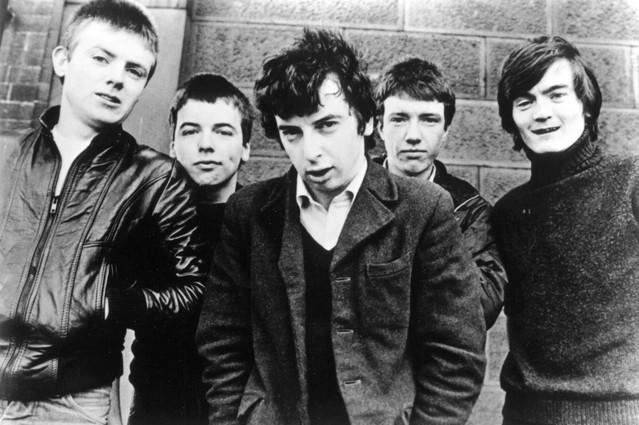
Skids’ Spotify BioThe Scottish art-punk unit Skids formed in Dunfermline in 1977. Comprised of the dramatic vocalist Richard Jobson, guitarist Stuart Adamson, bassist William Simpson, and drummer Tom Kellichan, the group issued the single "Reasons" on their own No Bad label before signing to Virgin. After two more singles, "Sweet Suburbia" and "The Saints Are Coming," Skids entered the U.K. Top Ten with "Into the Valley," included on their 1979 debut LP Scared to Dance, a fine document of the anthemic guitar riffs and chanted choruses which typified the first phase of the group's music.
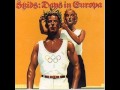
With their second effort, 1979's arty Days in Europa (produced by Be Bop Deluxe's Bill Nelson), Skids scored a pair of Top 20 hits with "Masquerade" and "Working for the Yankee Dollar." Trouble loomed, however, as Jobson's increasingly grandiose plans for the group's music alienated not only their fans but also their own rhythm section, and both Simpson and Kellichan were long gone by the time of 1980's The Absolute Game,… recorded with bassist Russell Webb and drummer Mike Baillie. By 1981's Joy, only Jobson remained from Skids' original lineup. Prior to recording the album, Adamson quit to form his own group, the internationally successful Big Country. After the release of the folk-indebted Joy, Skids officially disbanded; Jobson soon returned as a solo artist before forming the Armoury Show and beginning a career as a broadcaster.
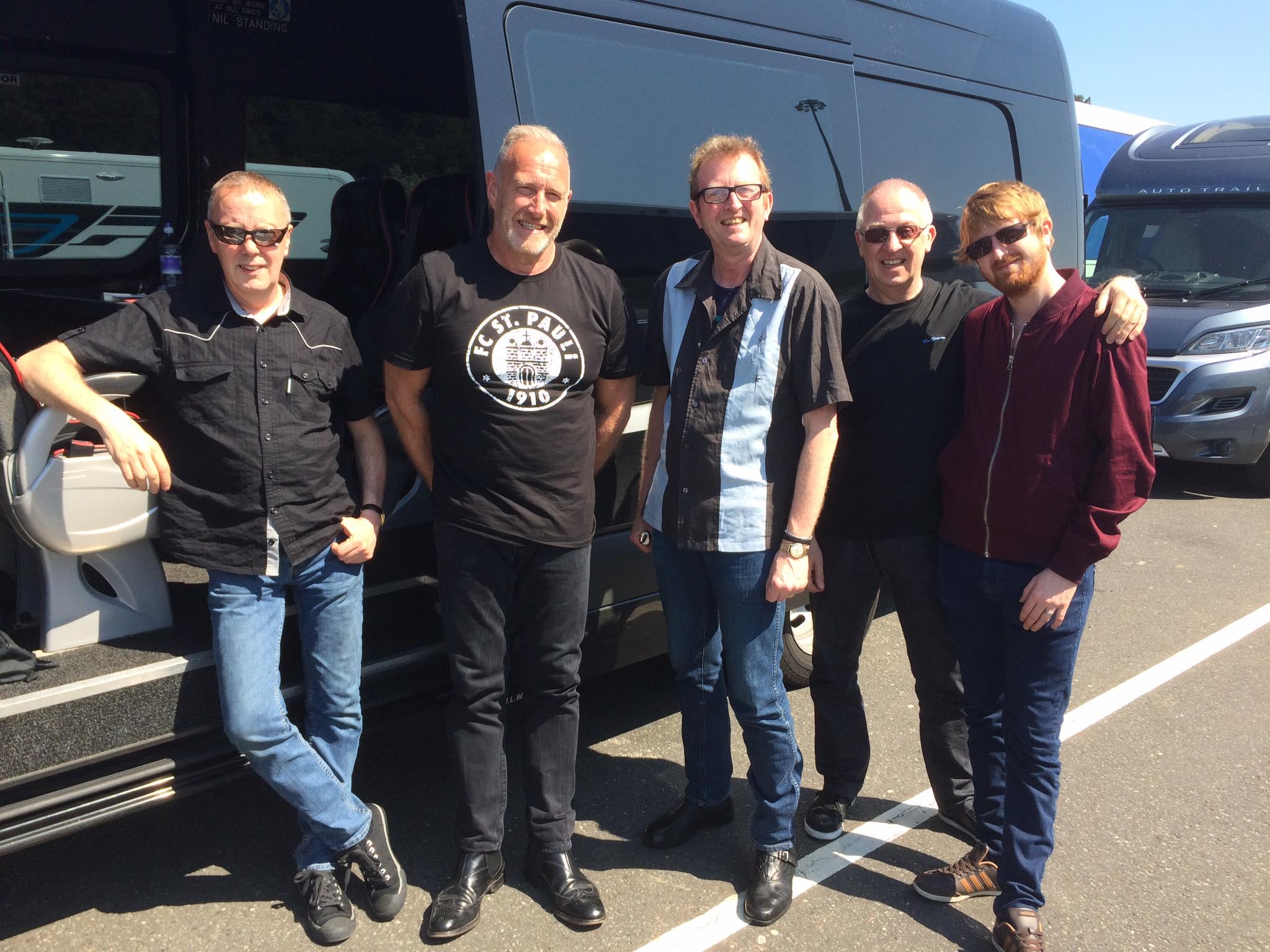
In 2007, Jobson, Simpson, Baillie, and Big Country's Bruce Watson, and Watson's son Jamie, got back together to perform at T in the Park and two nights in their hometown of Dunfermline. Celebrating the 30th anniversary of the bands formation, the shows also paid tribute to former member Stuart Adamson, who passed away in 2001. Over the next couple of years, the same line-up performed a handful of times in their native Scotland, including a show at the 2010 Fifer Festival, which was celebrating the work of Jobson.
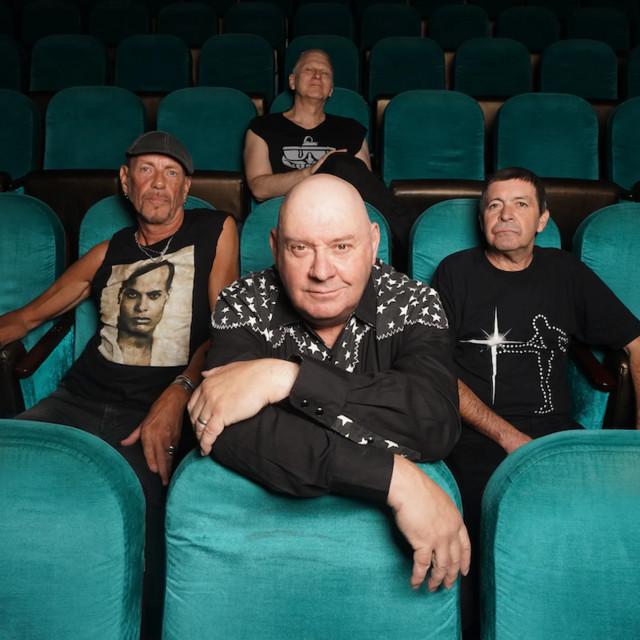
2017 saw the original line-up re-form to celebrate their 40th anniversary with a nationwide U.K. tour. With the dates rejuvenating the group's passion, the band entered the studio to record new material. The resulting fifth album, Burning Cities, was issued at the beginning of 2018. ~ Jason Ankeny, Rovi
Viberate is a music analytics platform built for A&Rs, artist managers, labels, booking agents, marketers, and artists.
It helps music professionals track artist growth, analyze audience data, monitor playlist activity, compare artists, follow song performance, and identify opportunities across the music market.
Public artist pages provide a free preview of selected artist data. Paid plans provide access to deeper analytics, historical data, charts, comparisons, playlist tools, exports, alerts, reports, and additional professional features.
Yes. Public Viberate artist pages provide selected artist analytics and music data for free.
Viberate also offers a 7-day free trial of the full platform. A credit card is required to start the trial. The trial includes access to the complete product so users can test deeper artist analytics, historical views, playlist insights, comparisons, charts, exports, alerts, and reporting features before choosing a paid plan.
Viberate provides artist analytics across streaming, playlists, social media, video, radio airplay, songs, and audience markets.
Users can analyze Spotify performance, Spotify and Apple Music playlists, YouTube activity, TikTok and Instagram growth, radio spins, song performance, audience locations, demographics, rankings, and overall artist momentum.
Artist profiles also connect to music charts, similar artists, and comparison tools, helping users benchmark performance and evaluate artists in context.
Viberate updates key artist and track data daily.
For followed artists and tracks, selected data is refreshed multiple times per day. This helps teams monitor playlist changes, streaming movement, audience growth, releases, and campaign performance with more current data.
Update frequency can vary depending on the metric and data source.
Yes. Viberate lets users compare up to five artists side by side across streaming, social media, audience, and engagement metrics.
Users can compare fanbase growth, audience demographics, locations, Spotify performance, social metrics, and other artist data over selected time periods.
Artist comparison can be used for A&R scouting, benchmarking, booking decisions, campaign planning, and evaluating artists with similar audiences or market positions.