The Meatmen

Punk
Punk Rock
Hardcore Punk
 Viberate Rank: 191701
 Viberate Rank: 191701
 Monthly ListenersFollowers
 Subscribers
 Followers
 Followers
 FansTop Spotify Songs
| Track | 7-Day Streams | |
|---|---|---|
1 | 1.21K | |
2 | 501 | |
3 | 459 | |
4 | 410 | |
5 | 224 |
Top YouTube VideosMonthly ListenersFeatured in Playlists| Playlist | Followers | |
|---|---|---|
1 |  The Evolution of Punk (In Chronological Order) kingfirley | 16.18K |
2 |  Henry Rollins KCRW radioshow Roadrunner Music | 3.56K |
3 | 70s & 80s Punk Brianmassachusetts | 2.81K |
4 |  The Sound of Hardcore Punk The Sounds of Spotify | 2.51K |
5 |  hardcore songs where the vocalist says the name of the band sawyer.jpeg | 2.46K |
Audience| City | Monthly Listeners | |
|---|---|---|
1 | | 134 |
2 | | 112 |
3 | | 107 |
4 | | 97 |
5 |  | 95 |
See full performance history, audience data, playlist activity, rankings, comparisons, and more in Viberate music analytics. Start with a free trial, then continue with a paid plan.
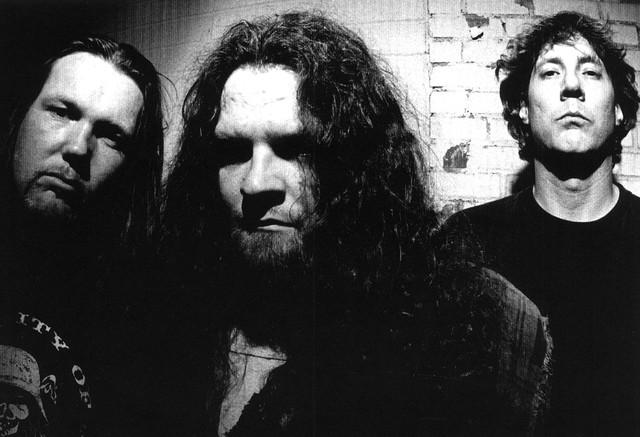
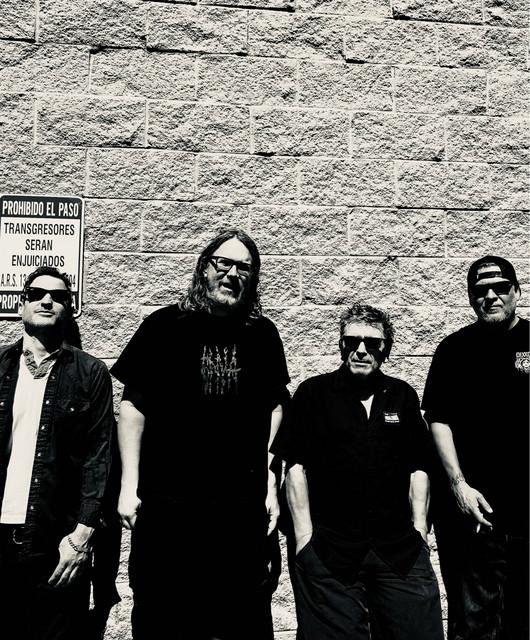
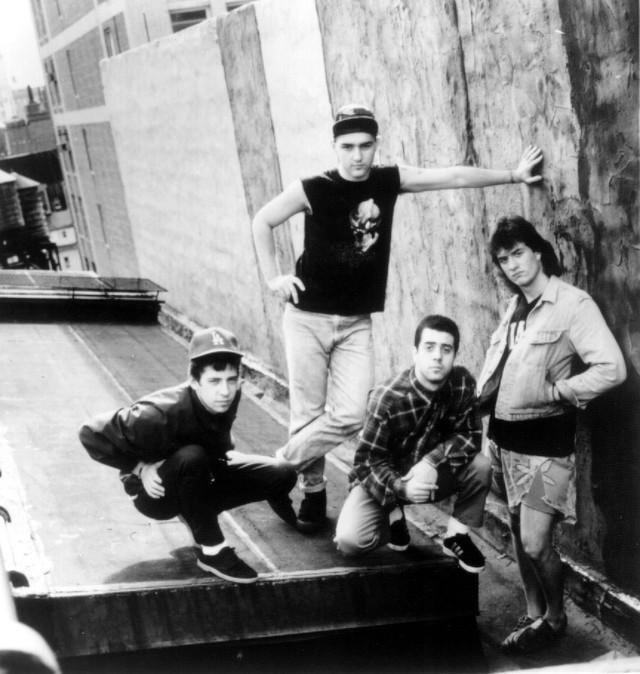
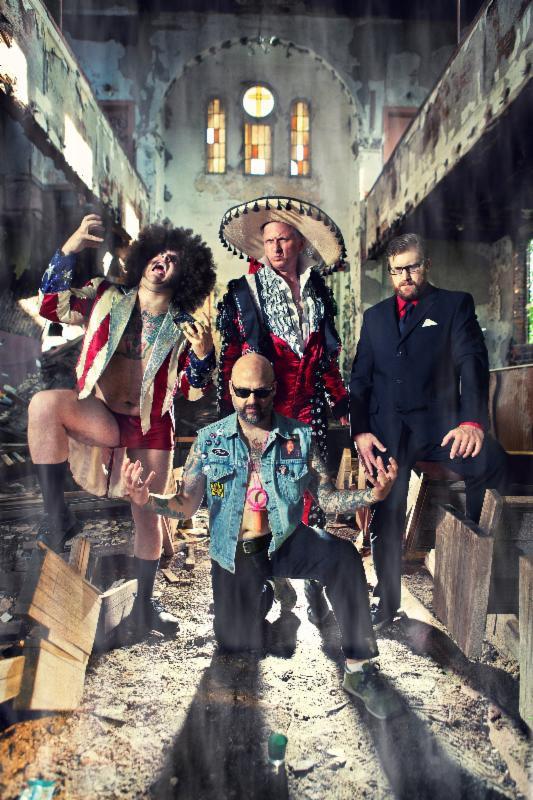
The Meatmen’s Spotify BioPunk pranksters the Meatmen had one of the nastiest, most offensive senses of humor in all of hardcore -- and that's saying something. Politically incorrect before the term existed, frontman Tesco Vee -- the one constant in the band's lineup -- kept things as gleefully stupid and tasteless as possible, cracking graphic jokes about various bodily functions while baiting women, minorities, homosexuals, rival punk bands, and handicapped children. The Meatmen's music was generally standard-issue hardcore punk, with nods to heavy metal in their latter years; much more important, however, was their sheer outrageousness, which was the real basis for their following.
Meatmen founder Tesco Vee was born Robert Vermuellen, and grew up mostly in Lansing, MI, where he discovered the music of Detroit proto-punkers like the MC5 and the Stooges. Starting in his teenage years, he published several punk fanzines, chronicling the Midwestern scene in one called Touch & Go. In 1980, he adopted the stage… name Tesco Vee (the first part after his favorite record store) and teamed with brothers Rich and Greg Ramsey (bass and guitar, respectively) to form the Meatmen. Initial drummer Jim Forsey quickly gave way to Eliot Rachtman, and the Meatmen soon built a following for on-stage antics that had little to do with Vee's day job as a fourth-grade teacher.
Later in 1980, Vee teamed with Necros bassist Corey Rusk to found Touch & Go Records, which released the Meatmen's 1982 debut EP, Blood Sausage. It was followed in short order by another EP, Crippled Children Suck; it was later reissued as part of an LP that also included demos and outtakes. By this time, Rachtman had been replaced first by Mr. X and then by ex-Necros drummer Todd Swalla; meanwhile, Greg Ramsey had also quit to have brother Rich take over his guitar slot, at which point Mike Achtenbourg joined on bass. Vee, uninterested in the business aspects of running a record label, also ceded control of Touch & Go to Rusk, who would build it into one of the most influential indie labels of the '80s. The Meatmen's -- and Touch & Go's -- first full-length LP, We're the Meatmen...and You Suck!!, appeared in 1983, and contained both Blood Sausage tracks and live versions of Crippled Children material. Following its release, the first version of the Meatmen disbanded, and Vee relocated to Washington, D.C.
With help from ex-Minor Threat guitarists Lyle Preslar and Brian Baker, Vee recorded the solo EP Dutch Hercules in 1984. Preslar and Baker subsequently formed the backbone of a musically potent new version of the Meatmen, which featured bassist Graham McCulloch and drummer Eric Zelzdor. Leaving Touch & Go for Homestead, this lineup released War of the Superbikes in 1985. Baker subsequently left the group to start the early emo band Dag Nasty, and was replaced by Stuart Casson. Casson, in turn, left halfway through the recording of 1986's Rock & Roll Juggernaut (now on Caroline), and was replaced by James Cooper; when Cooper left in 1987, Casson came right back. Also in 1987, Zelzdor departed and gave way to Mark "Gooly" Kermanj. This lineup embarked on a farewell tour in 1988, which produced the live album We're the Meatmen...and You Still Suck!!!
Two years after the Meatmen's breakup, Tesco Vee emerged from retirement to form the Hate Police, which recorded several singles and an album over 1990-1993. Meanwhile, Touch & Go compiled the entirety of the Meatmen's recordings for the label on 1991's evocatively titled Stud Powercock: The Touch and Go Years. In 1993, after the Hate Police disbanded, Vee teamed with a Meatmen-influenced band called True Grit to form a third version of the Meatmen, this time featuring guitarist Norman Voss, bassist Mark Davis, and drummer Mark Glass. Vee formed his own Meatking label to issue the new lineup's first effort, the limited-edition Toilet Slave, in 1994. The follow-up, 1995's Pope on a Rope, featured new drummer Rob San Pietro and landed the group support slots with the likes of Gwar and Butt Trumpet. War of the Superbikes, Vol. 2, released by Go Kart in 1996, featured the entirety of the original album plus a selection of new songs to fill out the CD. A final EP, Evil in a League with Satan, appeared in 1997 before the group broke up once again. A decade later, the Meatmen returned to the studio to begin work on Cover the Earth, which was released in 2009 and followed by a mammoth U.S. tour. ~ Steve Huey, Rovi
Viberate is a music analytics platform built for A&Rs, artist managers, labels, booking agents, marketers, and artists.
It helps music professionals track artist growth, analyze audience data, monitor playlist activity, compare artists, follow song performance, and identify opportunities across the music market.
Public artist pages provide a free preview of selected artist data. Paid plans provide access to deeper analytics, historical data, charts, comparisons, playlist tools, exports, alerts, reports, and additional professional features.
Yes. Public Viberate artist pages provide selected artist analytics and music data for free.
Viberate also offers a 7-day free trial of the full platform. A credit card is required to start the trial. The trial includes access to the complete product so users can test deeper artist analytics, historical views, playlist insights, comparisons, charts, exports, alerts, and reporting features before choosing a paid plan.
Viberate provides artist analytics across streaming, playlists, social media, video, radio airplay, songs, and audience markets.
Users can analyze Spotify performance, Spotify and Apple Music playlists, YouTube activity, TikTok and Instagram growth, radio spins, song performance, audience locations, demographics, rankings, and overall artist momentum.
Artist profiles also connect to music charts, similar artists, and comparison tools, helping users benchmark performance and evaluate artists in context.
Viberate updates key artist and track data daily.
For followed artists and tracks, selected data is refreshed multiple times per day. This helps teams monitor playlist changes, streaming movement, audience growth, releases, and campaign performance with more current data.
Update frequency can vary depending on the metric and data source.
Yes. Viberate lets users compare up to five artists side by side across streaming, social media, audience, and engagement metrics.
Users can compare fanbase growth, audience demographics, locations, Spotify performance, social metrics, and other artist data over selected time periods.
Artist comparison can be used for A&R scouting, benchmarking, booking decisions, campaign planning, and evaluating artists with similar audiences or market positions.