Gang Green

Punk
Hardcore Punk
Punk Rock
 Viberate Rank: 125570
 Viberate Rank: 125570
 Monthly ListenersFollowers
 Subscribers
 Followers
 Followers
 FansTop Spotify Songs
| Track | 7-Day Streams | |
|---|---|---|
1 | 7.70K | |
2 | 3.59K | |
3 | 2.05K | |
4 | 1.76K | |
5 | 1.43K |
Top YouTube VideosMonthly ListenersFeatured in Playlists| Playlist | Followers | |
|---|---|---|
1 |  The Sound of Everything The Sounds of Spotify | 53.82K |
2 |  80's Hardcore Punk Antonio Leal Filho | 20.65K |
3 |  The Evolution of Punk (In Chronological Order) kingfirley | 16.18K |
4 | Hardcore Punk - Actual real shit Christina Pap | 15.63K |
5 |  ACTUAL PUNK for punk rockers Cam | 15.39K |
Audience| City | Monthly Listeners | |
|---|---|---|
1 | | 1.13K |
2 | | 497 |
3 | | 406 |
4 | | 397 |
5 | | 353 |
See full performance history, audience data, playlist activity, rankings, comparisons, and more in Viberate music analytics. Start with a free trial, then continue with a paid plan.
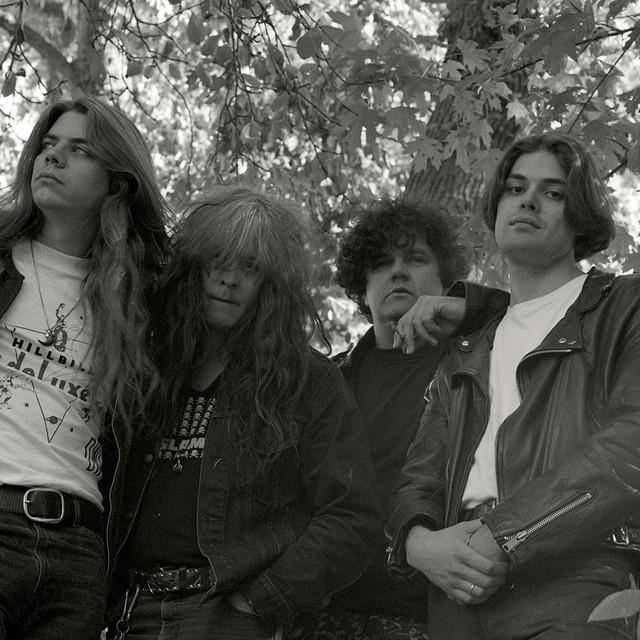
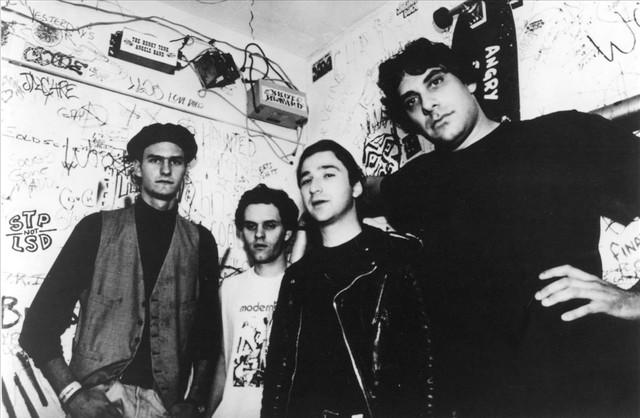
Gang Green’s Spotify BioFar and away the biggest name to emerge from the Boston hardcore scene, Gang Green was an unabashed party band specializing in beer-soaked, warp-speed three-chord thrash. Obsessed with beer, skateboarding, sex, and more beer, the group slowly added stronger hints of heavy metal as their career wore on, but otherwise followed much the same blueprint both musically and lyrically. Predictable though they may have been, their simple party-hearty philosophy, coupled with their irreverent streak of humor, was not only cultishly adored but influential as well, exerting an undeniable pull on the frat-friendly Orange County punk scene. Lead singer/guitarist Chris Doherty was the lone constant in the lineup, and managed to keep "the King of Bands" (as they were dubbed, from the Budweiser slogan) going off and on for more than two decades.
Chris Doherty formed the first incarnation of Gang Green in 1982, along with bassist Bill Manley and drummer Mike Dean. This lineup cut seven tracks (none… longer than a minute-and-a-half) for the scene-documenting compilation This Is Boston Not L.A. (on Modern Method), but soon disbanded. One more Gang Green track appeared posthumously on Modern Method's 1983 EP Unsafe at Any Speed, and the remainder of their studio recordings appeared on a three-song EP for Taang, Sold Out, in 1984. (All of this material was later reissued on the CD Preschool in 1997.) In the meantime, Doherty joined another local punk band, Jerry's Kids, and later moved on to Stranglehold and the ska band the Cheapskates (a forerunner of the Mighty Mighty Bosstones).
Doherty struck out on his own to re-form Gang Green in 1985, along with Jerry's Kids drummer Brian Betzger and the Stilphen brothers, Chuck (guitar) and Glen (bass). This lineup debuted with the 7" single "Skate to Hell"/"Alcohol," the latter of which became a staple of the band's live act (both the song and the substance). The EP Drunk and Disorderly, Boston MA followed in 1986, as did the band's first-ever full-length album, Another Wasted Night (on Taang). Featuring a jokey, attention-grabbing cover of Til Tuesday's "Voices Carry," Another Wasted Night attracted a cult following that grew steadily over the next few years.
The Stilphen brothers subsequently left to form a metal band called Mallet-Head. After a brief interlude with guitarist Tony Nichols (also of the metal band Meliah Rage), the Stilphens were replaced more permanently by guitarist Fritz Erickson and bassist Joe Gittleman for Gang Green's 1987 Roadrunner debut, You Got It (which was immediately preceded by another EP, P.M.R.C. Sucks). Bucking the dominant Gang Green trend, both Erickson and Gittleman stuck around for awhile, completing the 1988 EP I81B4U (a parody of Van Halen's OU812) and a second album, 1989's Older...Budweiser. Gittleman then made his exit, later joining the Mighty Mighty Bosstones, and was replaced by former D.R.I. bassist Josh Pappe for the 1990 concert set Can't Live Without It.
Roadrunner subsequently dropped the band, spelling the end of their second and most successful incarnation. Doherty and Betzger formed a Green Day-styled punk-pop outfit called Klover, which released one album on Mercury in 1995 before imploding under label difficulties. Doherty then reconvened Gang Green for a third go-round, this time with drummer Walter Gustafson (ex-Outlets), guitarist Bob Cenci (ex-Jerry's Kids), and bassist Matt Sandonato (also of the Chubs). This lineup recorded an entirely new album, Another Case of Brewtality, for Taang in 1997, covering much the same subject matter that Gang Green always had. An EP, Back and Gacked, followed in 1998. While the group has been silent on record, they continued to perform live, chiefly around the bars of Boston, on into the new millennium. ~ Steve Huey, Rovi
Viberate is a music analytics platform built for A&Rs, artist managers, labels, booking agents, marketers, and artists.
It helps music professionals track artist growth, analyze audience data, monitor playlist activity, compare artists, follow song performance, and identify opportunities across the music market.
Public artist pages provide a free preview of selected artist data. Paid plans provide access to deeper analytics, historical data, charts, comparisons, playlist tools, exports, alerts, reports, and additional professional features.
Yes. Public Viberate artist pages provide selected artist analytics and music data for free.
Viberate also offers a 7-day free trial of the full platform. A credit card is required to start the trial. The trial includes access to the complete product so users can test deeper artist analytics, historical views, playlist insights, comparisons, charts, exports, alerts, and reporting features before choosing a paid plan.
Viberate provides artist analytics across streaming, playlists, social media, video, radio airplay, songs, and audience markets.
Users can analyze Spotify performance, Spotify and Apple Music playlists, YouTube activity, TikTok and Instagram growth, radio spins, song performance, audience locations, demographics, rankings, and overall artist momentum.
Artist profiles also connect to music charts, similar artists, and comparison tools, helping users benchmark performance and evaluate artists in context.
Viberate updates key artist and track data daily.
For followed artists and tracks, selected data is refreshed multiple times per day. This helps teams monitor playlist changes, streaming movement, audience growth, releases, and campaign performance with more current data.
Update frequency can vary depending on the metric and data source.
Yes. Viberate lets users compare up to five artists side by side across streaming, social media, audience, and engagement metrics.
Users can compare fanbase growth, audience demographics, locations, Spotify performance, social metrics, and other artist data over selected time periods.
Artist comparison can be used for A&R scouting, benchmarking, booking decisions, campaign planning, and evaluating artists with similar audiences or market positions.