The McCalmans

Rock
Folk Rock
Celtic
 Viberate Rank: 208922
 Viberate Rank: 208922
 Monthly ListenersFollowers
 Subscribers
 Followers
 Followers
 FansTop Spotify Songs
| Track | 7-Day Streams | |
|---|---|---|
1 | 6.63K | |
2 | 5.85K | |
3 | 4.36K | |
4 | 2.93K | |
5 | 2.36K |
Top YouTube VideosMonthly ListenersFeatured in Playlists| Playlist | Followers | |
|---|---|---|
1 |  Traditional Scottish Folk Spotify | 138.77K |
2 |  Scottish songs 🏴 Scottish Songss | 41.20K |
3 |  Scottish Folk/ Traditional Joar Fosså | 17.12K |
4 | Simon And Garfunkel's Greatest Hits* Tim Heal | 14.98K |
5 |  natidreddd Snufkin | 12.10K |
Audience| City | Monthly Listeners | |
|---|---|---|
1 | | 1.31K |
2 | | 1.11K |
3 |  | 554 |
4 | | 462 |
5 |  | 432 |
See full performance history, audience data, playlist activity, rankings, comparisons, and more in Viberate music analytics. Start with a free trial, then continue with a paid plan.
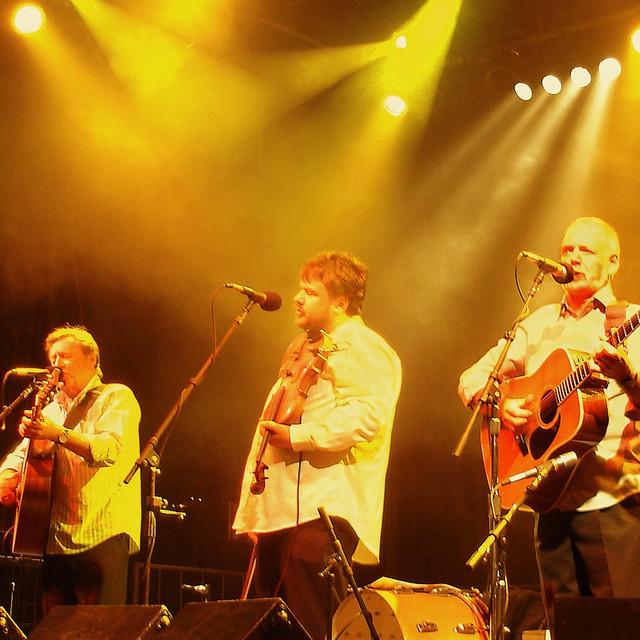
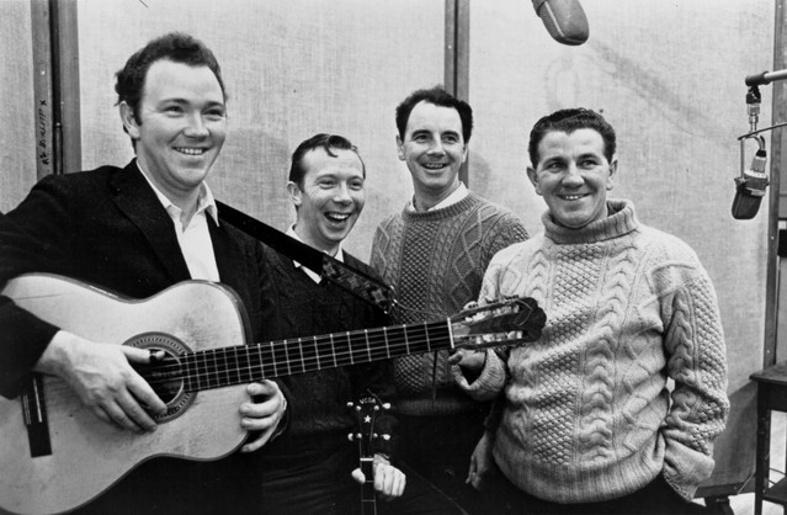
The McCalmans’ Spotify BioWith their Kingston Trio-like approach to traditional Scottish music and uplifting three-part vocal harmonies, the McCalmans have been at the forefront of Scottish folk music for more than three-and-a-half decades. In addition to having released more than 22 albums, the trio has been featured in six major television series and numerous BBC network radio broadcasts.
Formed by multi-instrumentalist Ian McCalman on his first day at Edinburgh School of Art, the McCalmans' only personnel change came when Hamish Bayne was replaced by guitar, mandolin, mouth organ, and flageolet player Nick Keir. The third member remains Dundee-born and Fife-raised guitar, mandolin, and bodhran player Derek Moffat. While McCalman mostly plays guitar and bodhran, a highlight of the band's performances is his playing what he calls a "weirdolin," combining a 12-string guitar and a Mexican gitarra. ~ Craig Harris, Rovi
Viberate is a music analytics platform built for A&Rs, artist managers, labels, booking agents, marketers, and artists.
It helps music professionals track artist growth, analyze audience data, monitor playlist activity, compare artists, follow song performance, and identify opportunities across the music market.
Public artist pages provide a free preview of selected artist data. Paid plans provide access to deeper analytics, historical data, charts, comparisons, playlist tools, exports, alerts, reports, and additional professional features.
Yes. Public Viberate artist pages provide selected artist analytics and music data for free.
Viberate also offers a 7-day free trial of the full platform. A credit card is required to start the trial. The trial includes access to the complete product so users can test deeper artist analytics, historical views, playlist insights, comparisons, charts, exports, alerts, and reporting features before choosing a paid plan.
Viberate provides artist analytics across streaming, playlists, social media, video, radio airplay, songs, and audience markets.
Users can analyze Spotify performance, Spotify and Apple Music playlists, YouTube activity, TikTok and Instagram growth, radio spins, song performance, audience locations, demographics, rankings, and overall artist momentum.
Artist profiles also connect to music charts, similar artists, and comparison tools, helping users benchmark performance and evaluate artists in context.
Viberate updates key artist and track data daily.
For followed artists and tracks, selected data is refreshed multiple times per day. This helps teams monitor playlist changes, streaming movement, audience growth, releases, and campaign performance with more current data.
Update frequency can vary depending on the metric and data source.
Yes. Viberate lets users compare up to five artists side by side across streaming, social media, audience, and engagement metrics.
Users can compare fanbase growth, audience demographics, locations, Spotify performance, social metrics, and other artist data over selected time periods.
Artist comparison can be used for A&R scouting, benchmarking, booking decisions, campaign planning, and evaluating artists with similar audiences or market positions.