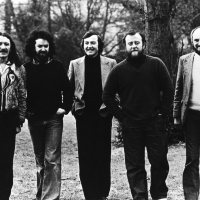
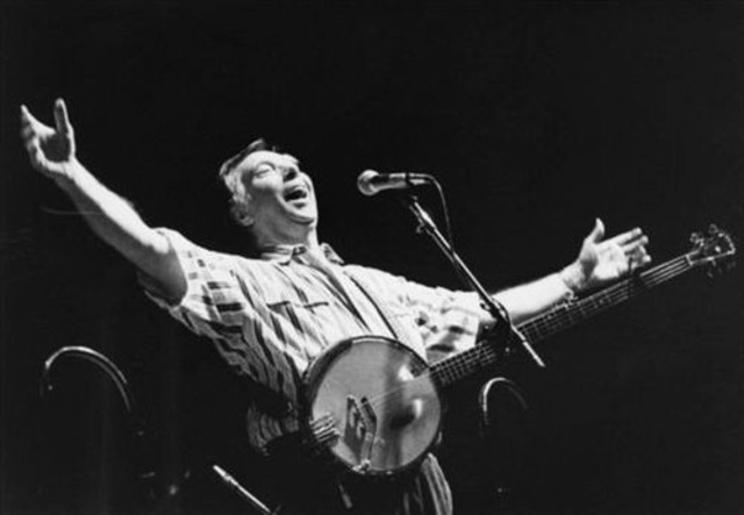
The Corries

European
Celtic
Folk Rock
 Viberate Rank: 113633
 Viberate Rank: 113633
 Monthly ListenersFollowers
 Subscribers
 Followers
 Followers
 FansTop Spotify Songs
| Track | 7-Day Streams | |
|---|---|---|
1 | 29.53K | |
2 | 28.77K | |
3 | 12.39K | |
4 | 6.36K | |
5 | 4.31K |
Top YouTube VideosMonthly ListenersFeatured in Playlists| Playlist | Followers | |
|---|---|---|
1 |  Traditional Scottish Folk Spotify | 138.77K |
2 | amandaemcee | 69.74K |
3 | Famous Irish Folk Songs Ryan Krohne | 69.06K |
4 | Irish Music Dan Corcoran | 53.25K |
5 |  2025 Walking In Radiohead | 31.05K |
Audience| City | Monthly Listeners | |
|---|---|---|
1 | | 8.13K |
2 | | 7.50K |
3 | | 2.65K |
4 |  | 2.35K |
5 |  | 2.21K |
See full performance history, audience data, playlist activity, rankings, comparisons, and more in Viberate music analytics. Start with a free trial, then continue with a paid plan.
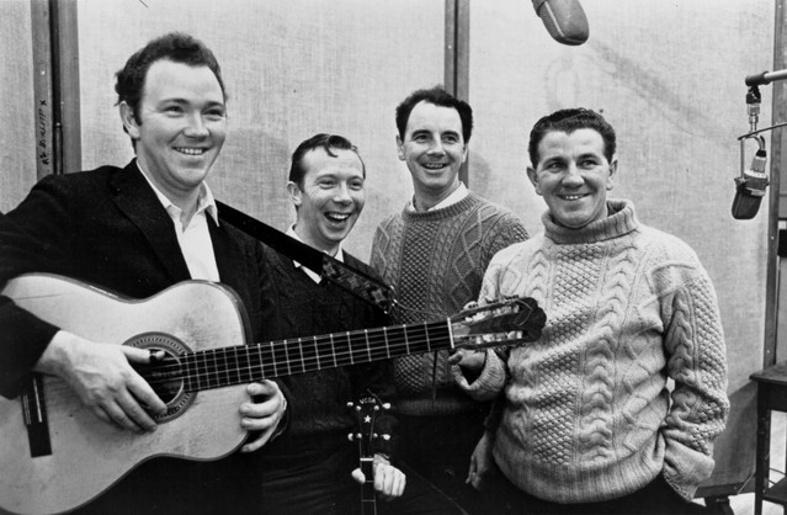
The Corries’ Spotify BioThe traditional music of Scotland was preserved in the 1960s and '70s by the Corries, a duo featuring multi-instrumentalists, songwriters, and vocalists Roy Williamson and Ronnie Browne. Although they primarily focused on traditional folk songs, the Corries are best remembered for their original songs, "Flower of Scotland" by Williamson -- which has gone on to become Scotland's unofficial anthem -- and Browne's "The Roses of Prince Charles."
The Corries originated with a trio that Williamson and Browne formed with Bill Smith at Edinburgh College of Art in 1962. The group was expanded the following year with the addition of female singer Paddie Bell. Although they released three albums -- The Corrie Folk Trio with Paddie Bell, The Promise of the Day, and In Retrospect -- the quartet format was short-lived. Bell left the group to have a child in 1965 and Smith followed a year later. With the departure of Bell and Smith the following year, Browne and Williamson continued to perform as a… duo and the group's name was shortened to the Corries.
Beginning in 1970, the Corries began using the cambolim, a pair of instruments designed and built by Williamson. While Williamson's instrument featured a basic guitar fingerboard with a bandurria attached and sympathetic resonating strings, Browne's model added a mandolin and four bass strings to a a basic guitar.
Browne and Williamson became regular performers on Scottish television shows and movies. In 1983, they received an International Film and Television Festival gold award for their STV series, The Corries & Other Folk. The duo reached its their peak with the film, The Bruce, which featured Browne's rendition of "Flower of Scotland" at the end of the movie. Browne appeared in the film in the role of Maxwell the Minstrel.
Williamson and Browne's collaboration ended with Williamson's death of a brain tumor in 1990. Browne has continued to perform and record as a soloist. ~ Craig Harris, Rovi
Viberate is a music analytics platform built for A&Rs, artist managers, labels, booking agents, marketers, and artists.
It helps music professionals track artist growth, analyze audience data, monitor playlist activity, compare artists, follow song performance, and identify opportunities across the music market.
Public artist pages provide a free preview of selected artist data. Paid plans provide access to deeper analytics, historical data, charts, comparisons, playlist tools, exports, alerts, reports, and additional professional features.
Yes. Public Viberate artist pages provide selected artist analytics and music data for free.
Viberate also offers a 7-day free trial of the full platform. A credit card is required to start the trial. The trial includes access to the complete product so users can test deeper artist analytics, historical views, playlist insights, comparisons, charts, exports, alerts, and reporting features before choosing a paid plan.
Viberate provides artist analytics across streaming, playlists, social media, video, radio airplay, songs, and audience markets.
Users can analyze Spotify performance, Spotify and Apple Music playlists, YouTube activity, TikTok and Instagram growth, radio spins, song performance, audience locations, demographics, rankings, and overall artist momentum.
Artist profiles also connect to music charts, similar artists, and comparison tools, helping users benchmark performance and evaluate artists in context.
Viberate updates key artist and track data daily.
For followed artists and tracks, selected data is refreshed multiple times per day. This helps teams monitor playlist changes, streaming movement, audience growth, releases, and campaign performance with more current data.
Update frequency can vary depending on the metric and data source.
Yes. Viberate lets users compare up to five artists side by side across streaming, social media, audience, and engagement metrics.
Users can compare fanbase growth, audience demographics, locations, Spotify performance, social metrics, and other artist data over selected time periods.
Artist comparison can be used for A&R scouting, benchmarking, booking decisions, campaign planning, and evaluating artists with similar audiences or market positions.