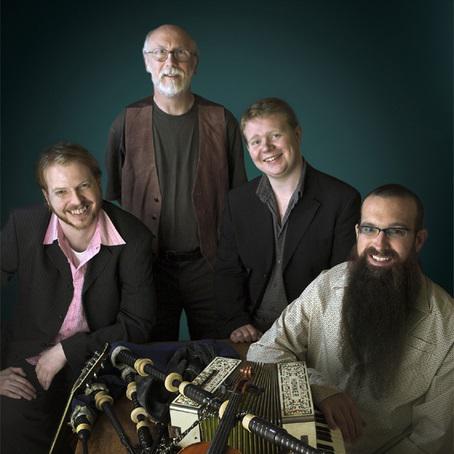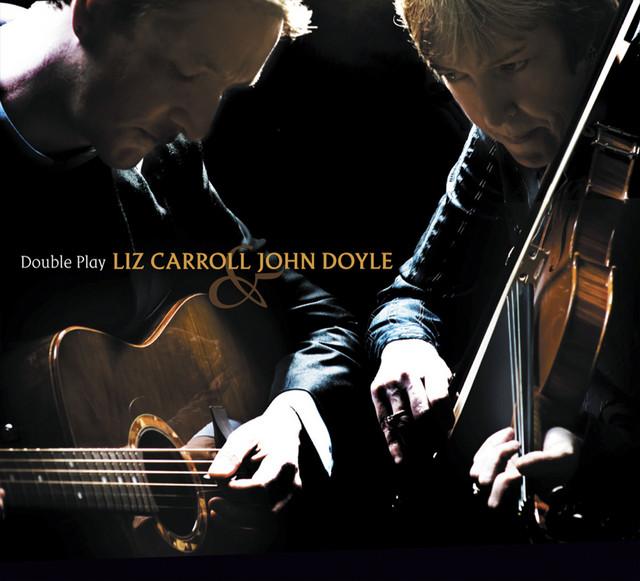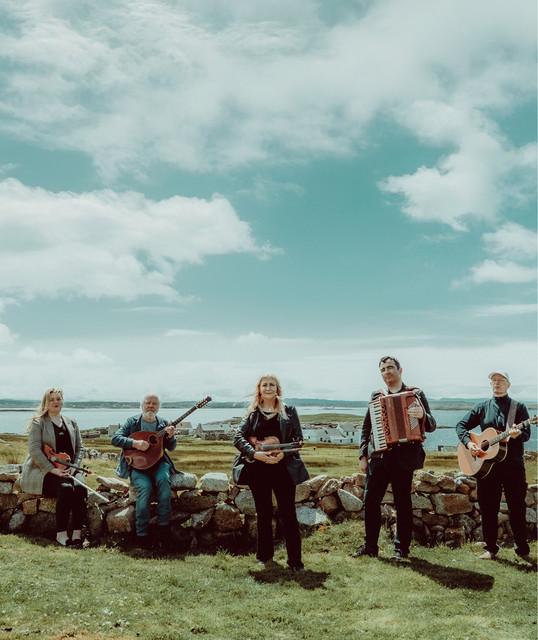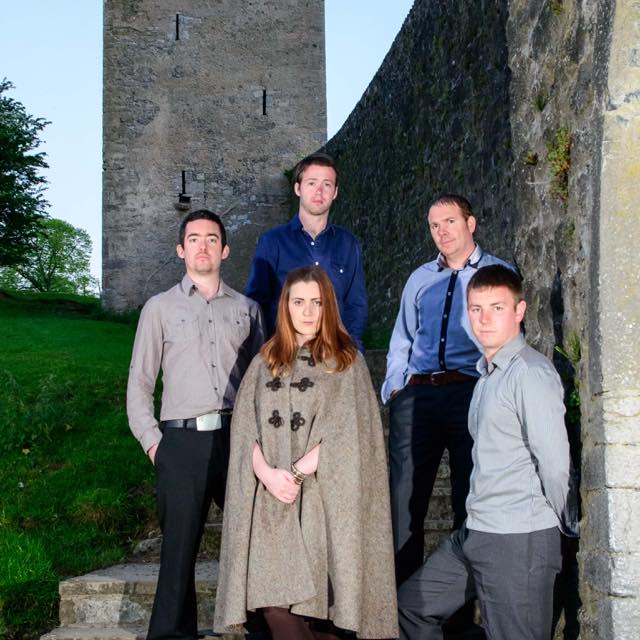
Old Blind Dogs

European
Celtic
 Viberate Rank: 159025
 Viberate Rank: 159025
 Monthly ListenersFollowers
 Subscribers
 Followers
 Followers
 FansTop Spotify Songs
| Track | 7-Day Streams | |
|---|---|---|
1 | 6.29K | |
2 | 3.47K | |
3 | 3.40K | |
4 | 2.08K | |
5 | 1.45K |
Top YouTube VideosMonthly ListenersFeatured in Playlists| Playlist | Followers | |
|---|---|---|
1 |  Traditional Scottish Folk Spotify | 138.78K |
2 |  Celtic Music ☘️ The Gothard Sisters | 105.95K |
3 |  Scottish Folk/ Traditional Joar Fosså | 17.12K |
4 |  Traditional Celtic/Gaeilge music Dylanmuziks | 15.35K |
5 | Bagpipes / Celtic Jenna Barber Peters | 15.06K |
Audience| City | Monthly Listeners | |
|---|---|---|
1 | | 761 |
2 | | 727 |
3 |  | 299 |
4 |  | 295 |
5 | | 295 |
See full performance history, audience data, playlist activity, rankings, comparisons, and more in Viberate music analytics. Start with a free trial, then continue with a paid plan.
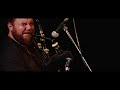
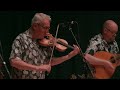
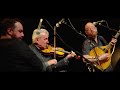
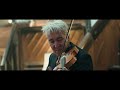
Old Blind Dogs’ Spotify BioIn Britain and Ireland, as in America, a number of folk music bands sprung up that have combined strong elements and foundations of the traditional with a variety of influences from other cultures and styles. Steeleye Span, the Tannahill Weavers, Fairport Convention, the House Band, Wolfstone, and others all produced music that borrows as freely from reggae, African rhythms, and American folk and rock music, as from the ancient ballads and tunes of their own cultures. Among the most striking and interesting of these bands was Scotland's Old Blind Dogs, an Aberdeen-based band that toured Europe and North America extensively throughout the '90s before dissolving in 1998. The genesis of Old Blind Dogs dates to 1990, when three veterans of the Aberdeen music scene came together after having played with each other in various other bands. Guitarist and lead singer Ian F. Benzie, the elder statesman of the band, had been involved with folk music since the glory days of the late '50s and early… '60s. It was the realization that many of his favorite songs by American folk icons like Joan Baez were, in fact, songs from centuries past in his own culture that steered him toward the traditional side of the music, while becoming adept at writing his own powerful material. As a singer, Benzie has been compared to fellow Scotsmen Dick Gaughan and Archie Fisher, a master of phrasing and delivery, whether of his own songs or of classics like "The Cruel Sister." Joining Benzie in the original configuration of the Dogs were fellow Aberdeen natives Jonny Hardie on fiddle and Buzzby McMillan, a jack of all trades on bass, whistles, cittern, and just about anything else with frets and strings. Though classically trained as a viola player, Hardie became enamored of the traditional fiddle tunes he heard while traveling throughout Britain. Meeting up again with McMillan after returning from music college, they began busking together on the streets and playing in a succession of bands before forming the Dogs with Benzie. By 1992, they had gained a reputation as a band adept at mixing traditional Scottish fare with more modern material, but it was the addition of percussionist Davy Cattanach in that year that gave the band a character unlike any other of their contemporary bands and allowed them to branch out in new directions. Cattanach had played drums in a number of reggae, rock, and blues bands that McMillan had also been part of. After spending five years or so in London, Cattanach returned to Aberdeen, where he met up again with McMillan. He had never played or been involved with traditional music before, but was intrigued with the sound of the band his friend was playing in, and on being told they were looking to add a percussionist, immediately went out and got a set of congas. With the addition of the exotic rhythms Cattanach brought to the band, they were able to explore new ways of expressing their distinctive blend of old and new. For the next five years, they toured and recorded to rave reviews on both sides of the Atlantic. In 1997, a fifth Dog was added in the person of piper and woodwind player Fraser Fifield, whose work was welcomed by the band's die-hard fans as an added dimension to the sound. In 1998, Cattanach departed the band and was replaced by long-time Wolfstone drummer and percussionist Graeme "Mop" Youngson. Following their 1998 U.S. tour, though, the years of being on the road induced Benzie to also quit the band, and as the clock wound down on the century, Old Blind Dogs were on hiatus. The new millennium found them revitalized though, and the group has issued several new albums, including Tall Tails (2000), Fit? (2001), The Gab O Mey (2003), Old Blind Dogs Play Live (2005), and Four on the Floor (2007). ~ John Lupton, Rovi
Viberate is a music analytics platform built for A&Rs, artist managers, labels, booking agents, marketers, and artists.
It helps music professionals track artist growth, analyze audience data, monitor playlist activity, compare artists, follow song performance, and identify opportunities across the music market.
Public artist pages provide a free preview of selected artist data. Paid plans provide access to deeper analytics, historical data, charts, comparisons, playlist tools, exports, alerts, reports, and additional professional features.
Yes. Public Viberate artist pages provide selected artist analytics and music data for free.
Viberate also offers a 7-day free trial of the full platform. A credit card is required to start the trial. The trial includes access to the complete product so users can test deeper artist analytics, historical views, playlist insights, comparisons, charts, exports, alerts, and reporting features before choosing a paid plan.
Viberate provides artist analytics across streaming, playlists, social media, video, radio airplay, songs, and audience markets.
Users can analyze Spotify performance, Spotify and Apple Music playlists, YouTube activity, TikTok and Instagram growth, radio spins, song performance, audience locations, demographics, rankings, and overall artist momentum.
Artist profiles also connect to music charts, similar artists, and comparison tools, helping users benchmark performance and evaluate artists in context.
Viberate updates key artist and track data daily.
For followed artists and tracks, selected data is refreshed multiple times per day. This helps teams monitor playlist changes, streaming movement, audience growth, releases, and campaign performance with more current data.
Update frequency can vary depending on the metric and data source.
Yes. Viberate lets users compare up to five artists side by side across streaming, social media, audience, and engagement metrics.
Users can compare fanbase growth, audience demographics, locations, Spotify performance, social metrics, and other artist data over selected time periods.
Artist comparison can be used for A&R scouting, benchmarking, booking decisions, campaign planning, and evaluating artists with similar audiences or market positions.