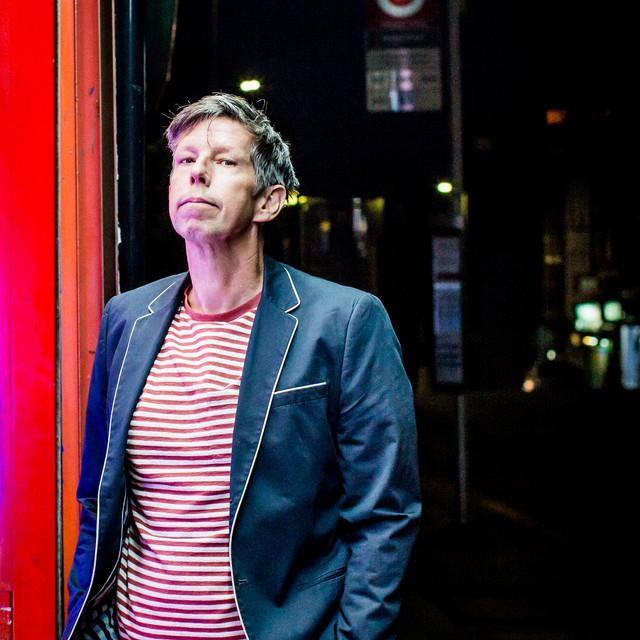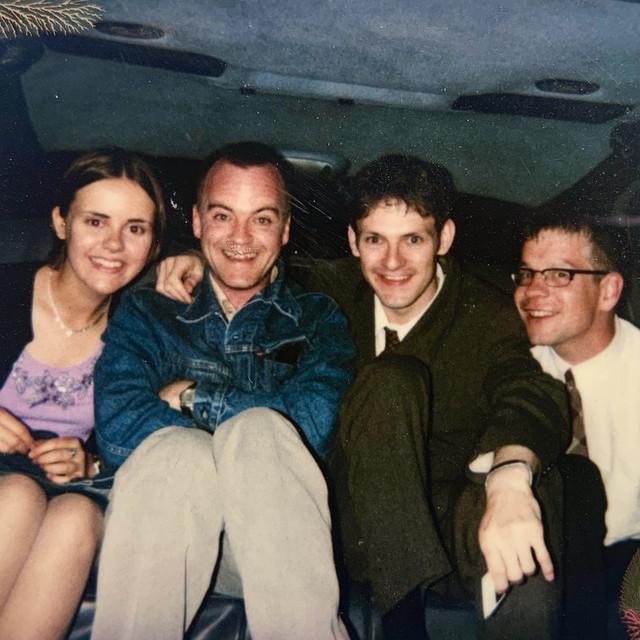
The Lucksmiths

Pop
Indie Pop
Indie Rock
 Viberate Rank: 255788
 Viberate Rank: 255788
 Monthly ListenersFollowers
 Subscribers
 Followers
 Followers
 FansTop Spotify Songs
| Track | 7-Day Streams | |
|---|---|---|
1 | 797 | |
2 | 618 | |
3 | 339 | |
4 | 336 | |
5 | 323 |
Top YouTube VideosMonthly ListenersFeatured in Playlists| Playlist | Followers | |
|---|---|---|
1 |  Gavin and Stacey - The Ultimate Playlist Joel Conlon | 42.87K |
2 | Indie & Folk Erica Anne Benoit | 20.85K |
3 |  The Sound of Twee Pop The Sounds of Spotify | 7.05K |
4 | Josh Radnor's Song of the Day Sarah 🎧 | 6.37K |
5 |  the jangle pop masterlist Arielle | 5.97K |
Audience| City | Monthly Listeners | |
|---|---|---|
1 | | 698 |
2 | | 374 |
3 | | 205 |
4 |  | 114 |
5 | | 110 |
See full performance history, audience data, playlist activity, rankings, comparisons, and more in Viberate music analytics. Start with a free trial, then continue with a paid plan.
The Lucksmiths’ Spotify BioAustralian indie pop trio the Lucksmiths teamed singer/percussionist Tali White, guitarist Marty Donald, and bassist Mark Monnone, longtime school friends who initially bonded over their mutual admiration for the Smiths. After going their separate ways to attend university and travel, the threesome reconvened in their native Melbourne in early 1993, playing their debut gig that April opening for the Sugargliders. The Lucksmiths' debut tape was soon released, and in 1994 the group resurfaced with an EP, Boondoggle. After signing with the local Candle imprint, the Lucksmiths released their first CD effort, The Green Bicycle Case. What Bird Is That? followed a year later, and in 1997 the band made its American debut with the single "The Invention of Ordinary Everyday Things," released via the small Michigan label Drive-In Records. Following the release of the 1998 full-length A Good Kind of Nervous, the Lucksmiths played a handful of European dates in support of Belle & Sebastian, a… frequent reference point not only in light of the Lucksmiths' wispy folk-pop sound but also their self-effacingly witty lyrics.
At a subsequent gig, Monnone survived a near-fatal on-stage electrocution, and the road-weary trio rounded out the year with the release of a new single, "Untidy Towns." While White spent the next several years living in London, the Lucksmiths toured and recorded only sporadically, cutting a handful of tracks in such far-flung destinations as Washington, D.C., and Paris. Both the Happy Secret collection and the Staring at the Sky 10" appeared in 1999, with the superb "T-Shirt Weather" single and the tongue-in-cheek "Greatest Hits" cassingle following a year later. The outstanding Why That Doesn't Surprise Me, the Lucksmiths' first full-length studio record in close to four years, was issued in early 2001. They released a record every couple years after that with Naturaliste in 2003 and Warmer Corners in 2005, and continued touring the world. (During this time White also formed the Guild League, releasing Private Transport in 2002 and Inner North in 2004.) Before the recording of Warmer Corners, the band added a second guitarist to the lineup. Louis Richter played and sang on that record and also on the follow-up First Frost, which was released on Matinée in late 2008. Soon afterward, the band split up and played their last show in August of 2009. White continued on with the Guild League, while the other three members started the group Last Leaves in 2012. ~ Jason Ankeny, Rovi
Viberate is a music analytics platform built for A&Rs, artist managers, labels, booking agents, marketers, and artists.
It helps music professionals track artist growth, analyze audience data, monitor playlist activity, compare artists, follow song performance, and identify opportunities across the music market.
Public artist pages provide a free preview of selected artist data. Paid plans provide access to deeper analytics, historical data, charts, comparisons, playlist tools, exports, alerts, reports, and additional professional features.
Yes. Public Viberate artist pages provide selected artist analytics and music data for free.
Viberate also offers a 7-day free trial of the full platform. A credit card is required to start the trial. The trial includes access to the complete product so users can test deeper artist analytics, historical views, playlist insights, comparisons, charts, exports, alerts, and reporting features before choosing a paid plan.
Viberate provides artist analytics across streaming, playlists, social media, video, radio airplay, songs, and audience markets.
Users can analyze Spotify performance, Spotify and Apple Music playlists, YouTube activity, TikTok and Instagram growth, radio spins, song performance, audience locations, demographics, rankings, and overall artist momentum.
Artist profiles also connect to music charts, similar artists, and comparison tools, helping users benchmark performance and evaluate artists in context.
Viberate updates key artist and track data daily.
For followed artists and tracks, selected data is refreshed multiple times per day. This helps teams monitor playlist changes, streaming movement, audience growth, releases, and campaign performance with more current data.
Update frequency can vary depending on the metric and data source.
Yes. Viberate lets users compare up to five artists side by side across streaming, social media, audience, and engagement metrics.
Users can compare fanbase growth, audience demographics, locations, Spotify performance, social metrics, and other artist data over selected time periods.
Artist comparison can be used for A&R scouting, benchmarking, booking decisions, campaign planning, and evaluating artists with similar audiences or market positions.