Darren Hayman

Pop
Indie Pop
Folk Pop
 Viberate Rank: 254511
 Viberate Rank: 254511
 Monthly ListenersFollowers
 Subscribers
 Followers
 Followers
 FansTop Spotify Songs
| Track | 7-Day Streams | |
|---|---|---|
1 | 945 | |
2 | 923 | |
3 | 805 | |
4 | 380 | |
5 | 305 |
Top YouTube VideosMonthly ListenersFeatured in Playlists| Playlist | Followers | |
|---|---|---|
1 | gay clubbing in the living room Erin | 60.74K |
2 |  The NTS Breakfast Show w/ Flo - NTS NTS ᵇᵒᵗ (killed 2026/03) | 12.72K |
3 | Sleepy Folk & Indie Drago_Mateo | 7.69K |
4 |  NTS Breakfastshow with Flo Dill Sebastian We | 6.10K |
5 |  John Peel Festive 50s Anders Björk | 5.74K |
Audience| City | Monthly Listeners | |
|---|---|---|
1 | | 549 |
2 |  | 267 |
3 | | 212 |
4 | | 200 |
5 | | 123 |
See full performance history, audience data, playlist activity, rankings, comparisons, and more in Viberate music analytics. Start with a free trial, then continue with a paid plan.
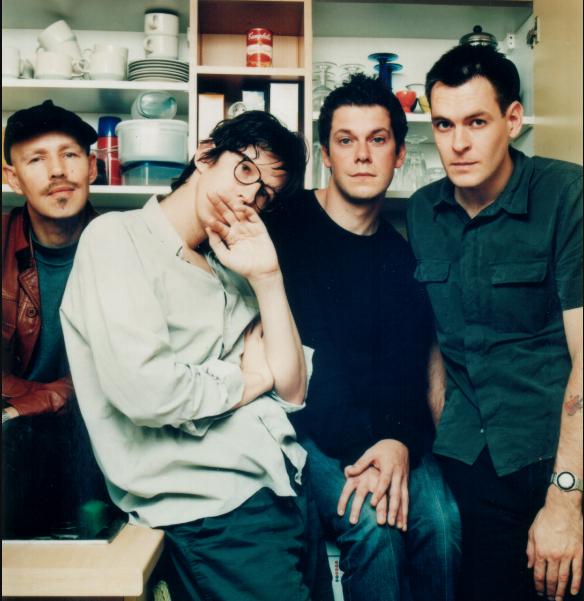
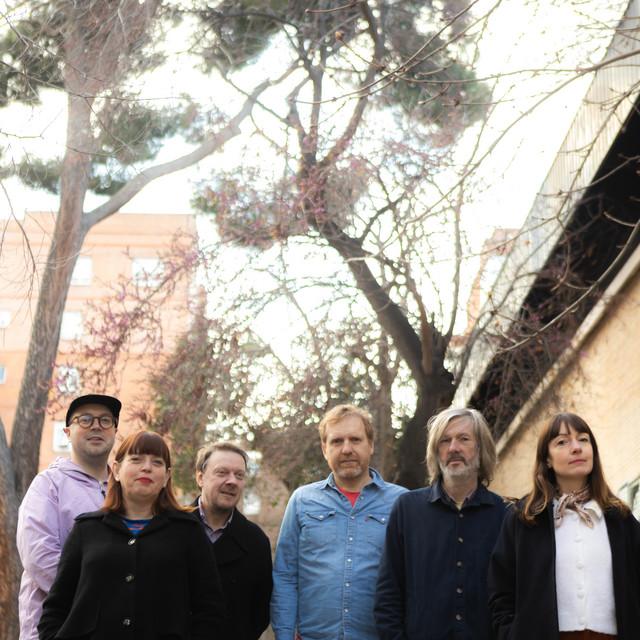
Darren Hayman’s Spotify BioBritish singer/songwriter Darren Hayman earned critical acclaim in the late '90s as the driving force behind the beloved but under-recognized indie pop outfit Hefner. Following the group's dissolution in the early 2000s, he remained active with numerous bands and launched a prolific solo career. With his penchant for lo-fi recording and knack for touching character sketches, witty relationship dissections, and affinity for quaint British cultural institutions, his music incorporates elements of folk, indie rock, synth pop, and even bluegrass. Following releases like 2010's Essex Arms and 2011 The Green and the Grey, which were aided by his backing band the Secondary Modern, Hayman embarked on a series of solo releases that often centered around historical themes including 2015's Chants for Socialists and the multi-volume Thankful Villages series, which began in 2016. He also recorded more personal fare like the 2020 breakup-themed album Home Time and 2022's introspective, synth-based… You Will Not Die.
Born and raised in the Essex town of Brentwood, Hayman founded Hefner in the early '90s after meeting future drummer Ant Harding at art college, but it remained essentially a solo project until 1996, when the band was signed to Too Pure with a solidified trio lineup. Following the fourth Hefner album, 2001's Dead Media, the beginning of an indefinite but seemingly permanent hiatus, Hayman and bassist John Morrison continued that record's fascination with vintage synthesizers and drum machines (and revisited several songs initially intended for Hefner) in the short-lived outfit the French. The self-titled EP release of another electronically minded duo project, the mostly instrumental Stereo Morphonium with Mutronium's Joel Neumatic, arrived in 2005. Starting around this time, Hayman initiated a series of 7" EPs recorded at various vacation spots around the U.K., released in limited editions on the Static Caravan label.
Hayman spent much of 2004 in a drawn-out contractual dispute with Too Pure that effectively prevented him from releasing new music, but eventually resulted in his acquiring the rights to the entire Hefner discography. The the latter half of the 2000s saw a veritable flood of releases on his newly established Belka imprint, including deluxe Hefner album reissues, a disc of BBC sessions recorded with superfan John Peel, and the collected Great British Holiday EPs. Meanwhile, he began releasing albums under his own name: 2006's Table for One, 2007's Darren Hayman & the Secondary Modern (introducing a backing group whose lineup has remained deliberately in flux, including members of the Wave Pictures, Fanfarlo, and Smile Down Upon Us, among others), and the 2009 "folk opera" Pram Town, a narrative song cycle set in a postwar planned community. Hayman, who at any given time purports to be several completed albums ahead of what he's actually released, also plays in the loose London bluegrass group Hayman, Watkins, Trout & Lee, who issued a self-titled album in 2008. While continuing to follow his muse via prolific releases on the Belka label, Hayman also issued a trio of LPs on the Fortuna POP! label, including Essex Arms (2010) and The Violence (2012), which completed the Essex Trilogy he began with Pram Town.
The tireless songsmith also found time to record and release one new song a day in January 2011; compose an instrumental album about open-air swimming pools (2012's Lido); put together a new backing band called the Long Parliament (2013's Bugbears); adapt a set of William Morris' political poetry (2015's Chants for Socialists); form a new band with singer Emma Winston called Brute Love; and complete numerous other projects, collaborations, singles, and EPs. In 2015, a new project documenting the U.K.'s "Thankful Villages" began to take shape. The term "Thankful Village" was coined by writer and journalist Arthur Mee after the First World War in reference to villages where all soldiers returned home safely. Hayman's ambitious project to document each of the 54 villages in song and video yielded the 2016 album Thankful Villages, Vol. 1. This was followed just a few months later by Train Songs: Class 108 Diesel Multiple Unit, a 7" single with an additional eight-track CD released to coincide with Britain's rail-themed indie pop festival Indie Tracks. The second volume of Hayman's Thankful Villages project arrived in 2017, followed a year later by the third volume. Continuing to reference the cultural zeitgeist, Hayman announced that his 18th solo album, 12 Astronauts, would be released on the 50th anniversary of the Apollo 11 moon landing. Mirroring the conceptual narratives of Hefner, 12 Astronauts saw Hayman craft fictional narratives for its eponymous astronauts, dedicating a track apiece to the 12 men who have set foot on the Moon. Turning back toward more personal matters, Hayman's next album, 2020's Home Time, was an autobiographical meditation on the theme of breakups. Two years later, he released the deeply introspective and entirely electronic You Will Not Die. A lengthy 23-song double-LP written and recorded on his collection of vintage synthesizers, the album explored themes of fragility, loneliness, and mortality. ~ K. Ross Hoffman & Timothy Monger, Rovi
Viberate is a music analytics platform built for A&Rs, artist managers, labels, booking agents, marketers, and artists.
It helps music professionals track artist growth, analyze audience data, monitor playlist activity, compare artists, follow song performance, and identify opportunities across the music market.
Public artist pages provide a free preview of selected artist data. Paid plans provide access to deeper analytics, historical data, charts, comparisons, playlist tools, exports, alerts, reports, and additional professional features.
Yes. Public Viberate artist pages provide selected artist analytics and music data for free.
Viberate also offers a 7-day free trial of the full platform. A credit card is required to start the trial. The trial includes access to the complete product so users can test deeper artist analytics, historical views, playlist insights, comparisons, charts, exports, alerts, and reporting features before choosing a paid plan.
Viberate provides artist analytics across streaming, playlists, social media, video, radio airplay, songs, and audience markets.
Users can analyze Spotify performance, Spotify and Apple Music playlists, YouTube activity, TikTok and Instagram growth, radio spins, song performance, audience locations, demographics, rankings, and overall artist momentum.
Artist profiles also connect to music charts, similar artists, and comparison tools, helping users benchmark performance and evaluate artists in context.
Viberate updates key artist and track data daily.
For followed artists and tracks, selected data is refreshed multiple times per day. This helps teams monitor playlist changes, streaming movement, audience growth, releases, and campaign performance with more current data.
Update frequency can vary depending on the metric and data source.
Yes. Viberate lets users compare up to five artists side by side across streaming, social media, audience, and engagement metrics.
Users can compare fanbase growth, audience demographics, locations, Spotify performance, social metrics, and other artist data over selected time periods.
Artist comparison can be used for A&R scouting, benchmarking, booking decisions, campaign planning, and evaluating artists with similar audiences or market positions.