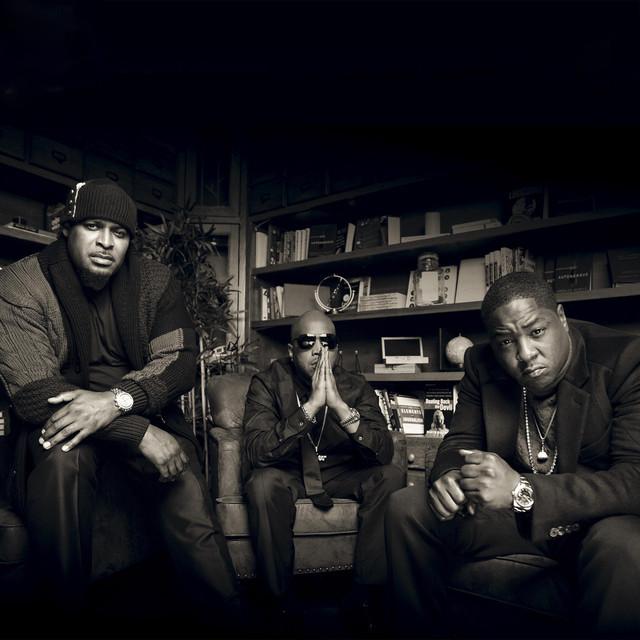
The Lox

Hip Hop
Contemporary Hip Hop
 Viberate Rank: 14072
 Viberate Rank: 14072
 Monthly ListenersFollowers
 Subscribers
 Followers
 Followers
 FansTop Spotify SongsTop YouTube Videos
| Video | 7-Day Views | |
|---|---|---|
1 | 31.75K | |
2 | 27.01K | |
3 | 14.13K | |
4 | 10.35K | |
5 | 7.45K |
Monthly ListenersFeatured in Playlists| Playlist | Followers | |
|---|---|---|
1 |  90's Hip Hop Don't Stop Topsify US | 484.05K |
2 |  This Is The Notorious B.I.G. Spotify | 443.65K |
3 |  Best 90s rap songs💸 Elsaa | 422.57K |
4 | 90s Hip Hop Party Ridgway | 311.83K |
5 |  90s Rap | 90s Hiphop | Old School Hip Hop House Party! Anish Mammen | 252.87K |
Audience| City | Monthly Listeners | |
|---|---|---|
1 | | 21.14K |
2 | | 13.10K |
3 | | 12.99K |
4 |  | 9.20K |
5 |  | 8.71K |
See full performance history, audience data, playlist activity, rankings, comparisons, and more in Viberate music analytics. Start with a free trial, then continue with a paid plan.
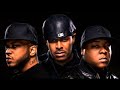
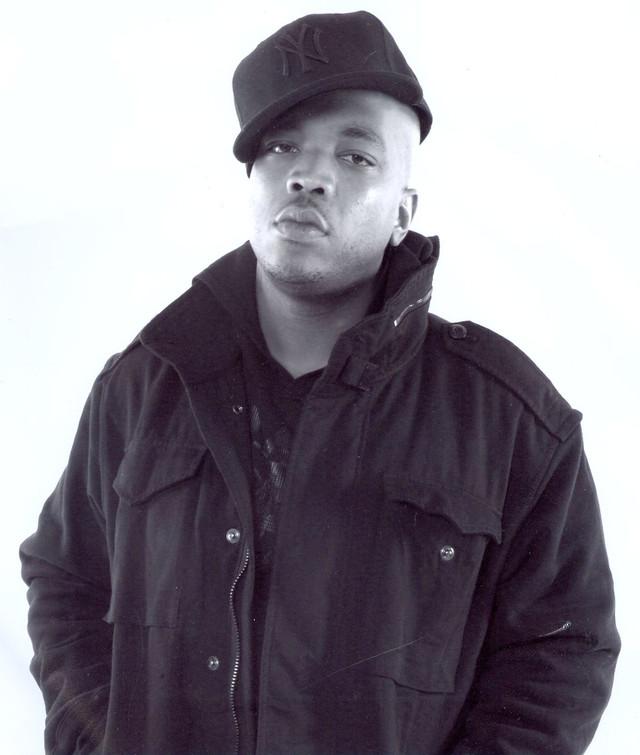
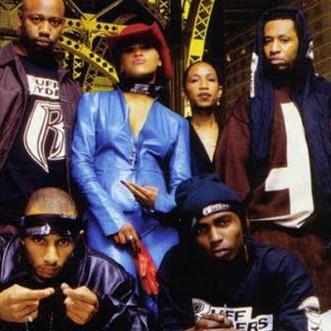
The Lox’s Spotify BioVeteran rap group the LOX carry the torch for hard-hitting East Coast hip-hop. Within only a few years during the late '90s and the following decade, they were factors in the commercial dominance of Bad Boy and the ascent of Ruff Ryders. After they established themselves with a good amount of supporting collaborative work, the LOX cashed in with their Top Ten debut, Money, Power & Respect (1998), then made a better stylistic fit with Ruff Ryders, where they issued another Top Ten hit with We Are the Streets (2000). MCs Styles P, Jadakiss, and Sheek Louch then went solo with across-the-board commercial success, and in the process became one of few groups with a Top Ten entry on the Billboard 200 from each member. Years after achieving the feat, the LOX resumed recording together with the Trinity series, the albums Filthy America...It's Beautiful (2016) and Living Off Xperience (2020), and the single "Isley Money" (2024), all of which were issued through the self-operated D-Block label.
S…tyles P (David Styles), Jadakiss (Jason Phillips), and Sheek Louch (Sean Jacobs) rapped together in high school under the name the Bomb Squad (not to be confused with Public Enemy's production team) and eventually became known as the Warlocks. A demo they recorded with Jaz-O won over fellow Yonkers native Mary J. Blige, and consequently Sean "Puff Daddy" Combs, who signed the group to Bad Boy Entertainment. After the trio had their name shortened by Combs to the LOX -- eventually acronymic for Living Off Experience -- they achieved a commercial breakthrough in 1997. They contributed "We'll Always Love Big Poppa" to the maxi-single edition of Puff Daddy's chart-topping "I'll Be Missing You," and were featured on a slew of tracks highlighted by the remix of Puff's "All About the Benjamins" and the Bad Boy remix of Mariah Carey's "Honey," which were likewise among that year's biggest pop hits.
All of that activity primed the LOX for the release of their debut full-length. Money, Power & Respect was issued in January 1998. Highly anticipated, the album entered the Billboard 200 at number three and produced Top 40 singles with "If You Think I'm Jiggy" and the title track, the latter of which, featuring Lil' Kim and DMX, also topped the rap chart. Even though the group thrived with Bad Boy, they opted to then consolidate their affiliation with Ruff Ryders, a management and label enterprise with a tougher, more compatible image. The trio returned on Ruff Ryders in January 2000 with We Are the Streets. Produced almost exclusively by RR linchpin Swizz Beatz, it debuted at number five on the Billboard 200. The biggest single was "Ryde or Die, B****," a collaboration with Timbaland, Eve, and Drag-On.
Each member of the LOX soon established a solo career and focused on work outside the group. Rather impressively, Jadakiss' Kiss tha Game Goodbye, Styles' A Gangster and a Gentleman, and Sheek's Walk witt Me, constituting the first wave of solo LOX releases, all placed within the Top Ten of the Billboard 200 from 2001 through 2003. Under the name D-Block, the three MCs reconvened to put together the 2009 compilation No Security, a platform for themselves and developing artists on the D-Block label. During 2013 and 2014, they released the LOX EPs The Trinity and The Trinity: 2nd Sermon, along with The Trinity: 3rd Sermon, a mixtape.
The group's first proper album in 16 years, Filthy America...It's Beautiful, arrived in 2016 with DJ Premier, Pete Rock, and Dame Grease among the producers. The joint D-Block/Roc Nation release reached number 42 on the Billboard 200. In 2020, they inched toward album four, Living Off Xperience, with the singles "Loyalty and Love" and "Gave It to 'Em." The LP arrived that August and contained a fearsome collaboration with DMX, "Bout Shit." A handful of group featured appearances followed over the next few years, and in 2024, the LOX returned with the spare and menacing "Isley Money." ~ Andy Kellman
Viberate is a music analytics platform built for A&Rs, artist managers, labels, booking agents, marketers, and artists.
It helps music professionals track artist growth, analyze audience data, monitor playlist activity, compare artists, follow song performance, and identify opportunities across the music market.
Public artist pages provide a free preview of selected artist data. Paid plans provide access to deeper analytics, historical data, charts, comparisons, playlist tools, exports, alerts, reports, and additional professional features.
Yes. Public Viberate artist pages provide selected artist analytics and music data for free.
Viberate also offers a 7-day free trial of the full platform. A credit card is required to start the trial. The trial includes access to the complete product so users can test deeper artist analytics, historical views, playlist insights, comparisons, charts, exports, alerts, and reporting features before choosing a paid plan.
Viberate provides artist analytics across streaming, playlists, social media, video, radio airplay, songs, and audience markets.
Users can analyze Spotify performance, Spotify and Apple Music playlists, YouTube activity, TikTok and Instagram growth, radio spins, song performance, audience locations, demographics, rankings, and overall artist momentum.
Artist profiles also connect to music charts, similar artists, and comparison tools, helping users benchmark performance and evaluate artists in context.
Viberate updates key artist and track data daily.
For followed artists and tracks, selected data is refreshed multiple times per day. This helps teams monitor playlist changes, streaming movement, audience growth, releases, and campaign performance with more current data.
Update frequency can vary depending on the metric and data source.
Yes. Viberate lets users compare up to five artists side by side across streaming, social media, audience, and engagement metrics.
Users can compare fanbase growth, audience demographics, locations, Spotify performance, social metrics, and other artist data over selected time periods.
Artist comparison can be used for A&R scouting, benchmarking, booking decisions, campaign planning, and evaluating artists with similar audiences or market positions.