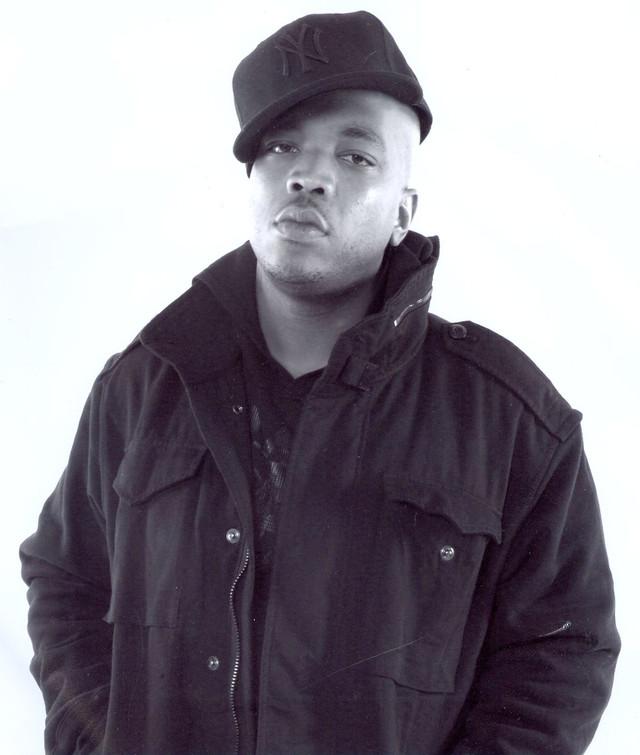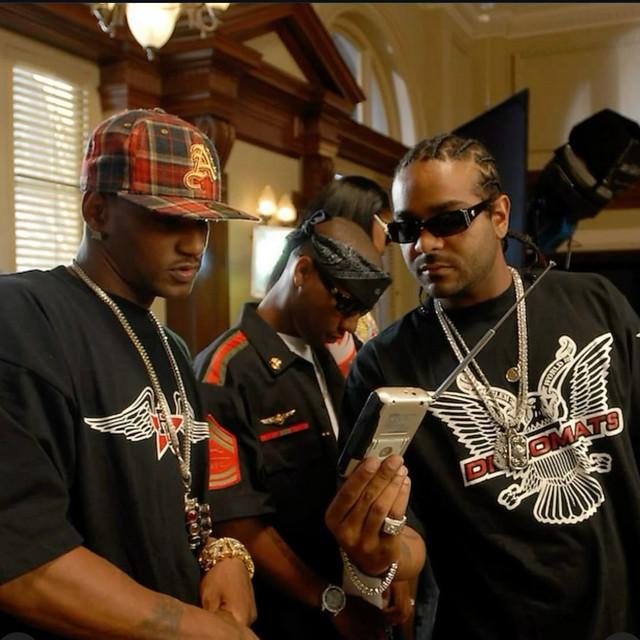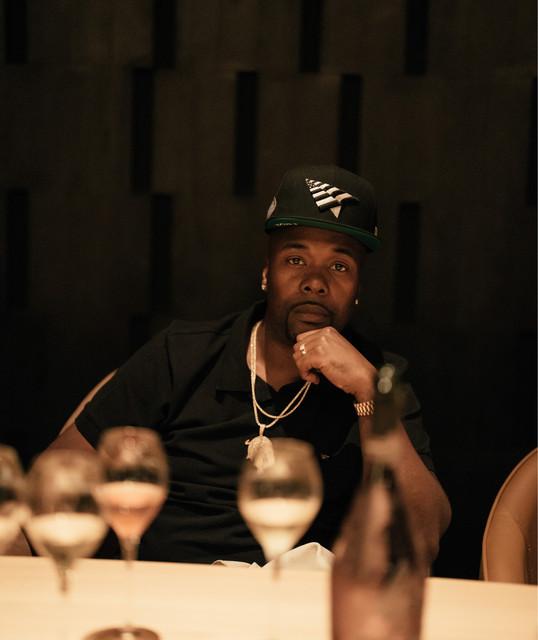
Beanie Sigel

Hip Hop
Contemporary Hip Hop
 Viberate Rank: 13176
 Viberate Rank: 13176
 Monthly ListenersFollowers
 Subscribers
 Followers
 Followers
 FansTop Spotify Songs
| Track | 7-Day Streams | |
|---|---|---|
1 | 77.48K | |
2 | 75.63K | |
3 | 42.52K | |
4 | 35.66K | |
5 | 35.35K |
Top YouTube Videos| Video | 7-Day Views | |
|---|---|---|
1 | 95.51K | |
2 | 87.00K | |
3 | 23.53K | |
4 | 15.39K | |
5 | 6.47K |
Monthly ListenersFeatured in Playlists| Playlist | Followers | |
|---|---|---|
1 |  House Party Spotify | 481.59K |
2 | 90s Hip Hop Party Ridgway | 311.83K |
3 |  KANYE WEST BANGERS🙏 dog standing up | 293.83K |
4 |  Def Jam 40 - 40 Forward Def Jam Recordings | 255.96K |
5 |  90s Hip Hop Classics Nick Minto | 222.71K |
Audience| City | Monthly Listeners | |
|---|---|---|
1 | | 16.37K |
2 | | 15.27K |
3 | | 9.77K |
4 | | 9.45K |
5 |  | 8.37K |
See full performance history, audience data, playlist activity, rankings, comparisons, and more in Viberate music analytics. Start with a free trial, then continue with a paid plan.
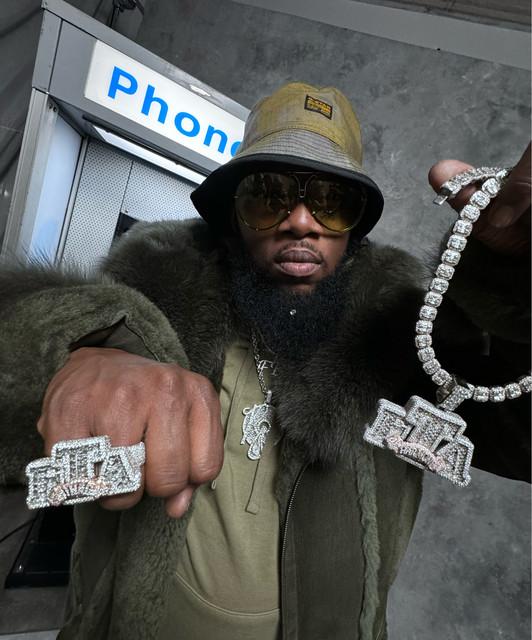
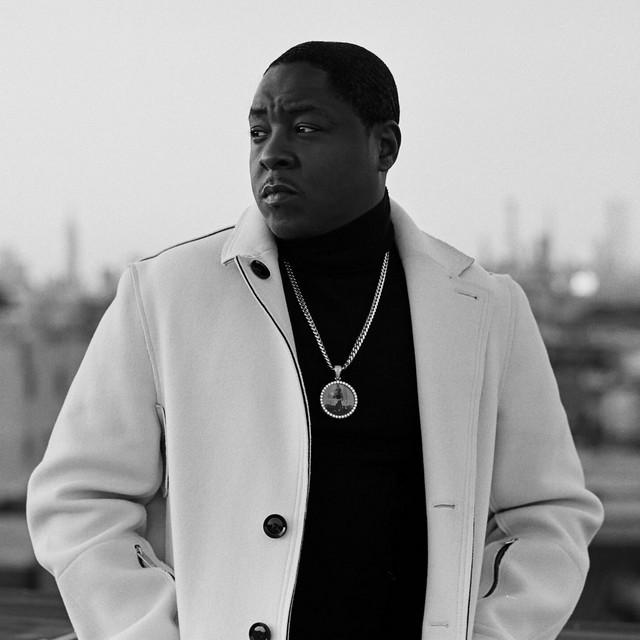
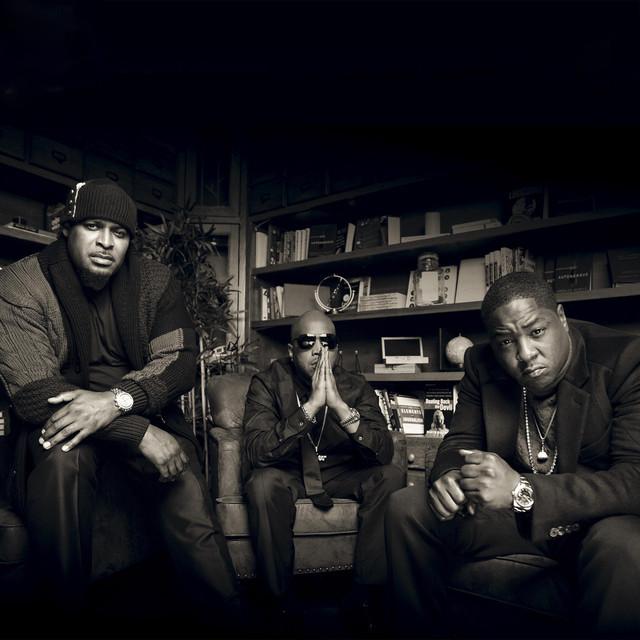
Beanie Sigel’s Spotify BioPhiladelphian rapper Beanie Sigel had a rapidly rising career, beginning with his appearance on one of underground rapper/producer DJ Clue?'s mixtapes, to his cameos on Jay-Z's Vol. 2: Hard Knock Life, to a consequent solo deal with Roc-a-Fella Records. His distinctive, slightly drawling delivery and his clever but hard-hitting rhymes were showcased on his debut album, 2000's The Truth, which featured contributions from Jay-Z, Memphis Bleek, Eve, and Scarface, and production by the Ruff Ryders' Swizz Beatz and Suave House's Tony Draper. His second album, The Reason, hit the streets in summer 2001, led by the single "Beanie (Mack B****)." Sigel soon launched his State Property line of clothing by announcing his gear would have hidden pockets and gun holsters. Legal problems plagued the rapper in 2003 when he was arrested on federal weapon and drug charges stemming from a police chase where Sigel allegedly tossed a loaded handgun. He was arrested again in September the same year on… attempted murder charges for allegedly shooting a man in the stomach. The attempted murder trial was thrown out of court once already by the beginning of 2005, but was set to be retried while Sigel was pleading guilty to the federal weapon charges. Preparing for jail, Sigel went into high gear and completed a movie, an album, and five videos to support the new album. The album, The B. Coming, hit the shelves in March of 2005 while the movie, State Property 2, was released in April. Out of prison by the end of the year, Sigel went to work on his fourth album, The Solution; though there seemed to be fluctuations in Sigel's stance in the split between Jay-Z and Damon Dash, the rapper remained with Jay-Z, on Roc-a-Fella, and The Solution was issued in December 2007. His 2009 effort The Broad Street Bully was issued by the Siccness label with the message that it is "not an official studio album," but a "street release." That official album, This Time, arrived in 2012 on the Ruffhouse label and right before Sigel returned to prison, this time on a two-year tax evasion charge. ~ Heather Phares, Rovi
Viberate is a music analytics platform built for A&Rs, artist managers, labels, booking agents, marketers, and artists.
It helps music professionals track artist growth, analyze audience data, monitor playlist activity, compare artists, follow song performance, and identify opportunities across the music market.
Public artist pages provide a free preview of selected artist data. Paid plans provide access to deeper analytics, historical data, charts, comparisons, playlist tools, exports, alerts, reports, and additional professional features.
Yes. Public Viberate artist pages provide selected artist analytics and music data for free.
Viberate also offers a 7-day free trial of the full platform. A credit card is required to start the trial. The trial includes access to the complete product so users can test deeper artist analytics, historical views, playlist insights, comparisons, charts, exports, alerts, and reporting features before choosing a paid plan.
Viberate provides artist analytics across streaming, playlists, social media, video, radio airplay, songs, and audience markets.
Users can analyze Spotify performance, Spotify and Apple Music playlists, YouTube activity, TikTok and Instagram growth, radio spins, song performance, audience locations, demographics, rankings, and overall artist momentum.
Artist profiles also connect to music charts, similar artists, and comparison tools, helping users benchmark performance and evaluate artists in context.
Viberate updates key artist and track data daily.
For followed artists and tracks, selected data is refreshed multiple times per day. This helps teams monitor playlist changes, streaming movement, audience growth, releases, and campaign performance with more current data.
Update frequency can vary depending on the metric and data source.
Yes. Viberate lets users compare up to five artists side by side across streaming, social media, audience, and engagement metrics.
Users can compare fanbase growth, audience demographics, locations, Spotify performance, social metrics, and other artist data over selected time periods.
Artist comparison can be used for A&R scouting, benchmarking, booking decisions, campaign planning, and evaluating artists with similar audiences or market positions.