Noreaga

Hip Hop
Contemporary Hip Hop
 Viberate Rank: 40175
 Viberate Rank: 40175
 Monthly ListenersFollowers
 Subscribers
 Followers
 Followers
 FansTop Spotify Songs
| Track | 7-Day Streams | |
|---|---|---|
1 | 5.19K | |
2 | 1.22K | |
3 | 900 | |
4 | 555 | |
5 | 279 |
Top YouTube VideosMonthly ListenersFeatured in Playlists| Playlist | Followers | |
|---|---|---|
1 | 90's Driken House | 26.79K |
2 | The Joe Budden Podcast: Sleepers Alex Lagos | 12.98K |
3 |  Classic Hip Hop / 80s / 90s / 00s Rhodri Price | 8.51K |
4 |  Rare 90s Underground Hip-Hop XZARKHAN | 7.08K |
5 |  Def Jam: Fight For NY - Soundtrack (Explicit Version) henriqtaurus | 6.63K |
Audience| City | Monthly Listeners | |
|---|---|---|
1 | | 10.16K |
2 | | 6.20K |
3 | | 6.15K |
4 |  | 4.64K |
5 |  | 4.06K |
See full performance history, audience data, playlist activity, rankings, comparisons, and more in Viberate music analytics. Start with a free trial, then continue with a paid plan.
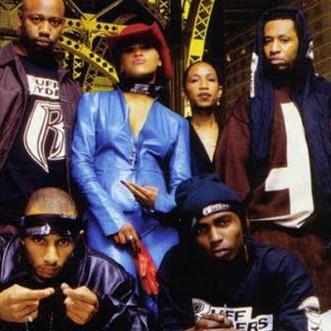
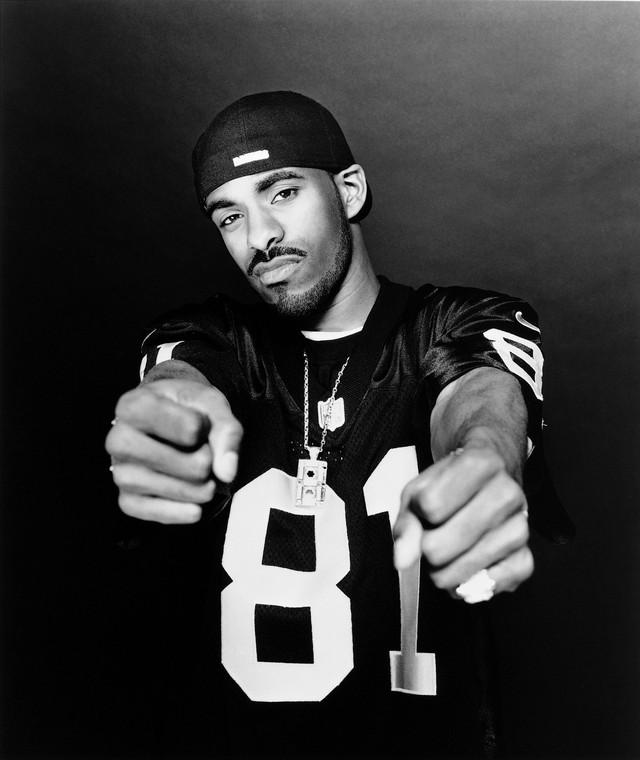
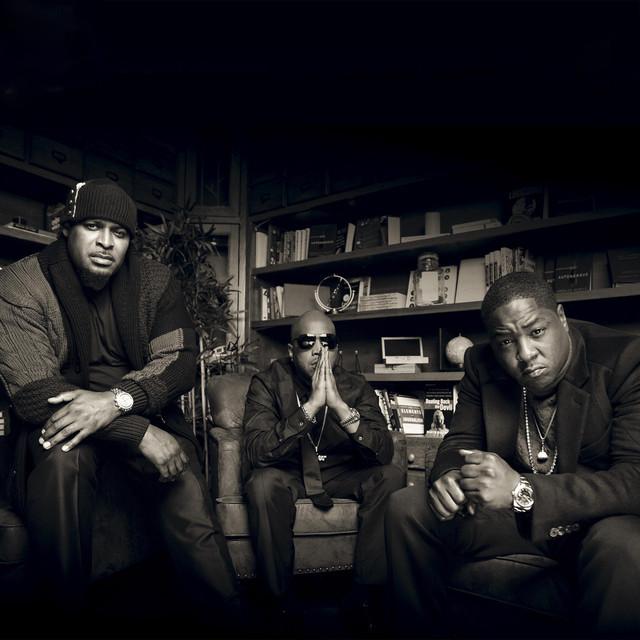
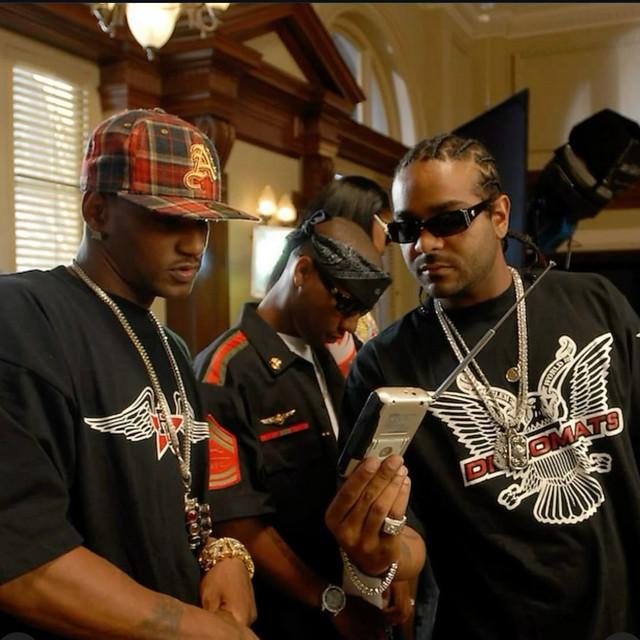
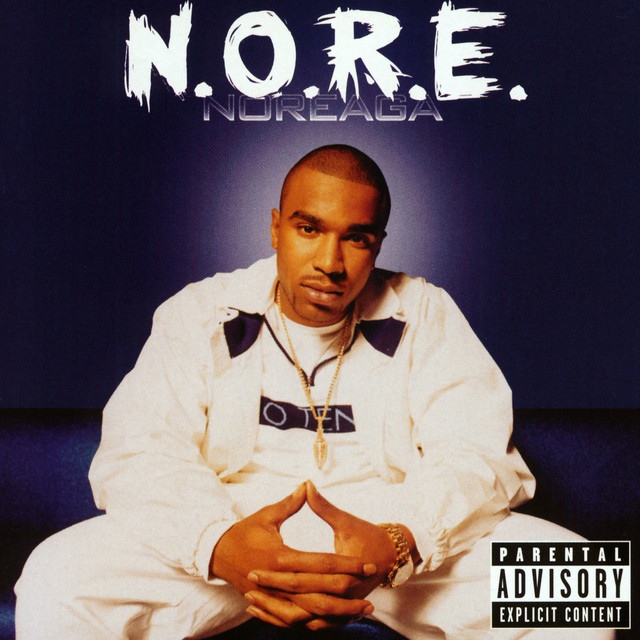
Noreaga’s Spotify BioOne-half of the Queens hardcore rap duo Capone-N-Noreaga, Victor "Noreaga" Santiago met Kiam "Capone" Holley in 1992 while both were serving prison sentences. Signed to Penalty Records in 1996, the pair released a hard-hitting debut (The War Report) in June 1997, but after Holley was thrown back in jail on a parole violation, Santiago began recording a solo album. His solo debut, N.O.R.E. -- an acronym for "Niggas on the Run Eating" -- was an all-star affair, with contributions from Foxy Brown, Nas, Busta Rhymes, and Jay-Z, among others. Melvin Flynt -- Da Hustler followed in 1999. His third album, God's Favorite, was delayed several times, but finally appeared in mid-2002. In 2006, he moved to the Def Jam imprint Roc la Familia and released N.O.R.E. y la Familia...Ya Tú Sabe, a mostly reggaeton album featuring guest stars like Nina Sky, Big Mato, and Daddy Yankee. ~ John Bush, Rovi
Viberate is a music analytics platform built for A&Rs, artist managers, labels, booking agents, marketers, and artists.
It helps music professionals track artist growth, analyze audience data, monitor playlist activity, compare artists, follow song performance, and identify opportunities across the music market.
Public artist pages provide a free preview of selected artist data. Paid plans provide access to deeper analytics, historical data, charts, comparisons, playlist tools, exports, alerts, reports, and additional professional features.
Yes. Public Viberate artist pages provide selected artist analytics and music data for free.
Viberate also offers a 7-day free trial of the full platform. A credit card is required to start the trial. The trial includes access to the complete product so users can test deeper artist analytics, historical views, playlist insights, comparisons, charts, exports, alerts, and reporting features before choosing a paid plan.
Viberate provides artist analytics across streaming, playlists, social media, video, radio airplay, songs, and audience markets.
Users can analyze Spotify performance, Spotify and Apple Music playlists, YouTube activity, TikTok and Instagram growth, radio spins, song performance, audience locations, demographics, rankings, and overall artist momentum.
Artist profiles also connect to music charts, similar artists, and comparison tools, helping users benchmark performance and evaluate artists in context.
Viberate updates key artist and track data daily.
For followed artists and tracks, selected data is refreshed multiple times per day. This helps teams monitor playlist changes, streaming movement, audience growth, releases, and campaign performance with more current data.
Update frequency can vary depending on the metric and data source.
Yes. Viberate lets users compare up to five artists side by side across streaming, social media, audience, and engagement metrics.
Users can compare fanbase growth, audience demographics, locations, Spotify performance, social metrics, and other artist data over selected time periods.
Artist comparison can be used for A&R scouting, benchmarking, booking decisions, campaign planning, and evaluating artists with similar audiences or market positions.