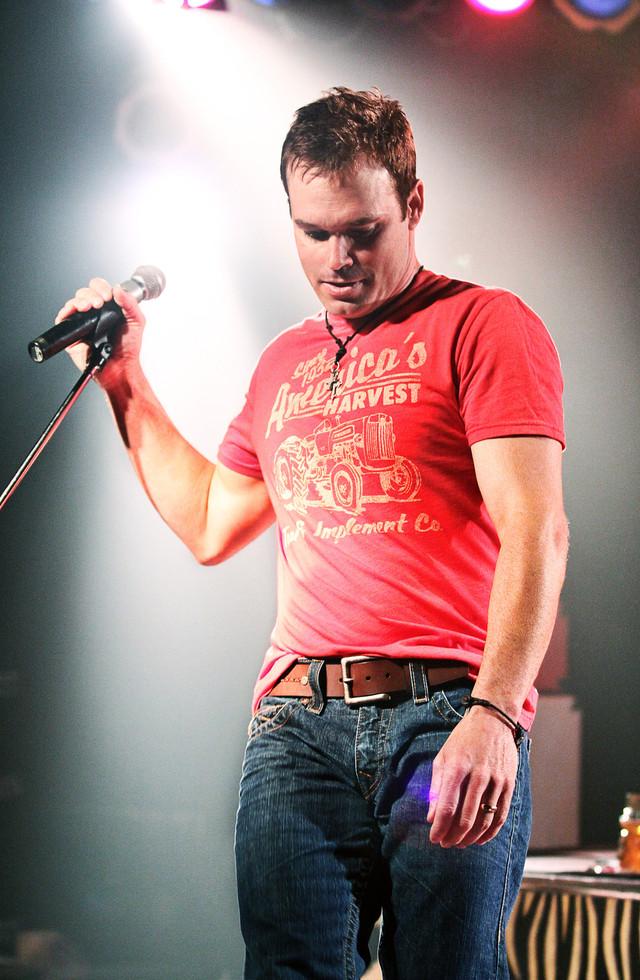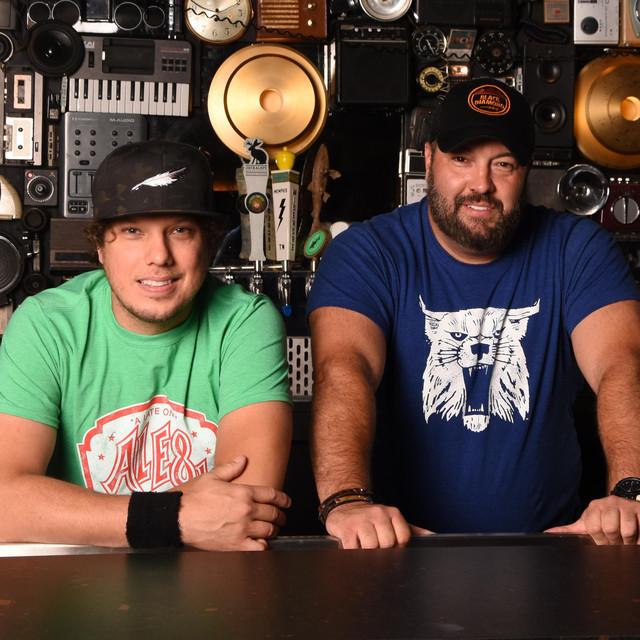
The Lost Trailers

Country
Contemporary Country
 Viberate Rank: 182514
 Viberate Rank: 182514
 Monthly ListenersFollowers
 Subscribers
 Followers
 Followers
 FansTop Spotify Songs
| Track | 7-Day Streams | |
|---|---|---|
1 | 6.78K | |
2 | 848 | |
3 | 546 | |
4 | 449 | |
5 | 204 |
Top YouTube VideosMonthly ListenersFeatured in Playlists| Playlist | Followers | |
|---|---|---|
1 |  90's Country Hits Cameron Paul | 77.31K |
2 | Country Road Trip 🤘 brady.torborg | 32.21K |
3 |  Best of 2000’s Country Cole Stauss | 23.55K |
4 | CDP | 23.50K |
5 |  Nick Cain Official Radio Nick Cain | 19.03K |
Audience| City | Monthly Listeners | |
|---|---|---|
1 | | 478 |
2 | | 469 |
3 | | 428 |
4 | | 291 |
5 | | 268 |
See full performance history, audience data, playlist activity, rankings, comparisons, and more in Viberate music analytics. Start with a free trial, then continue with a paid plan.
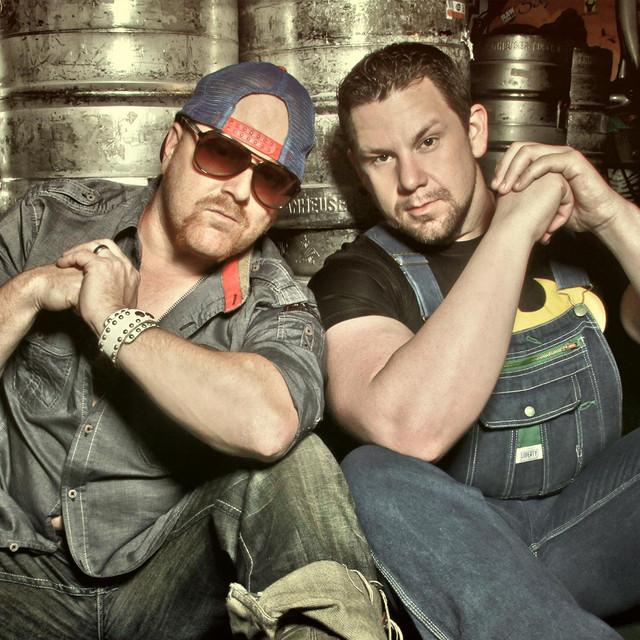
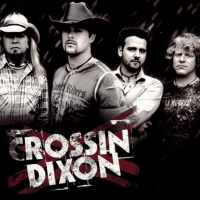
The Lost Trailers’ Spotify BioThe Lost Trailers are an ACM-nominated, Top-10 Billboard-charting country music band from Nashville,
Tennessee. Established in 2000 by BMI Award-winning songwriter Stokes Nielson, the band made its debut at a Fourth of July picnic
held by country singer Willie Nelson, and it wasn’t long before their self-released debut album “Story of
the New Age Cowboy”, had Nashville buzzing. Releases on Universal/Republic and BNA Records
followed which produced the singles "Call Me Crazy" and "Why Me", both of which entered the
Billboard Hot Country Songs charts. The Next album, “Holler Back”, was released in August 2008,
producing a Top-10 country hit with its title track and a Top-20 in "How 'Bout You Don't".
Known for their high energy live shows, The Lost Trailers have shared bills with Tim McGraw, Taylor Swift, Bob Dylan, Maroon 5, The Allman Brothers, John Mayer, Eric Church, Jason Isbell, and their guiding light Willie Nelson, as well as many others artists.
Viberate is a music analytics platform built for A&Rs, artist managers, labels, booking agents, marketers, and artists.
It helps music professionals track artist growth, analyze audience data, monitor playlist activity, compare artists, follow song performance, and identify opportunities across the music market.
Public artist pages provide a free preview of selected artist data. Paid plans provide access to deeper analytics, historical data, charts, comparisons, playlist tools, exports, alerts, reports, and additional professional features.
Yes. Public Viberate artist pages provide selected artist analytics and music data for free.
Viberate also offers a 7-day free trial of the full platform. A credit card is required to start the trial. The trial includes access to the complete product so users can test deeper artist analytics, historical views, playlist insights, comparisons, charts, exports, alerts, and reporting features before choosing a paid plan.
Viberate provides artist analytics across streaming, playlists, social media, video, radio airplay, songs, and audience markets.
Users can analyze Spotify performance, Spotify and Apple Music playlists, YouTube activity, TikTok and Instagram growth, radio spins, song performance, audience locations, demographics, rankings, and overall artist momentum.
Artist profiles also connect to music charts, similar artists, and comparison tools, helping users benchmark performance and evaluate artists in context.
Viberate updates key artist and track data daily.
For followed artists and tracks, selected data is refreshed multiple times per day. This helps teams monitor playlist changes, streaming movement, audience growth, releases, and campaign performance with more current data.
Update frequency can vary depending on the metric and data source.
Yes. Viberate lets users compare up to five artists side by side across streaming, social media, audience, and engagement metrics.
Users can compare fanbase growth, audience demographics, locations, Spotify performance, social metrics, and other artist data over selected time periods.
Artist comparison can be used for A&R scouting, benchmarking, booking decisions, campaign planning, and evaluating artists with similar audiences or market positions.