Crossin Dixon

Country
Americana/Alt Country
Folk Rock
 Viberate Rank: 303319
 Viberate Rank: 303319
 Monthly ListenersFollowers
 Subscribers
 Followers
 Followers
 FansTop Spotify Songs
| Track | 7-Day Streams | |
|---|---|---|
1 | 748 | |
2 | 399 | |
3 | 347 | |
4 | 169 | |
5 | 63 |
Top YouTube VideosMonthly ListenersFeatured in Playlists| Playlist | Followers | |
|---|---|---|
1 |  Veterans playlist Jtrooper | 7.67K |
2 |  3800 The Buch BUCH’D UP | 7.56K |
3 | Outlaw Country jdredneck13 | 4.88K |
4 |  Trucking Sondre Eek | 4.30K |
5 | 1267791297 | 4.03K |
Audience| City | Monthly Listeners | |
|---|---|---|
1 | | 90 |
2 | | 87 |
3 | | 78 |
4 | | 77 |
5 | | 74 |
See full performance history, audience data, playlist activity, rankings, comparisons, and more in Viberate music analytics. Start with a free trial, then continue with a paid plan.
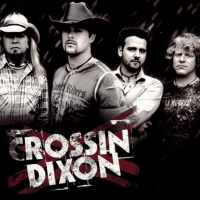
Crossin Dixon’s Spotify BioComprised of equal parts Southern rock and contemporary country, Crossin' Dixon rose to Nashville's attention in the mid-2000s on the strength of their live act. The four Mississippi natives -- vocalist Jason Miller, drummer Michael Bole, and guitarists/vocalists Brandon Hyde and Charlie Grantham -- first performed in 2002 as Kyote Wylde, but a relentless tour ethic (often resulting in 100 shows per year) resulted in a name change that could reflect their interstate travels. In 2006, a mutual friend introduced the band to the influential producer Michael Knox, who had helped launch Jason Aldean's self-titled debut to platinum status the previous year. Knox took note of Crossin' Dixon's vocal harmonies, likening them to those of country legends Alabama, and a deal with Broken Bow Records was inked that September. With Knox handling production duties, Crossin' Dixon entered the studio to record their boisterous debut single, "Guitar Slinger." After its release in the summer of 2007, the… band hit the road once again in support of the new single. ~ Andrew Leahey, Rovi
Viberate is a music analytics platform built for A&Rs, artist managers, labels, booking agents, marketers, and artists.
It helps music professionals track artist growth, analyze audience data, monitor playlist activity, compare artists, follow song performance, and identify opportunities across the music market.
Public artist pages provide a free preview of selected artist data. Paid plans provide access to deeper analytics, historical data, charts, comparisons, playlist tools, exports, alerts, reports, and additional professional features.
Yes. Public Viberate artist pages provide selected artist analytics and music data for free.
Viberate also offers a 7-day free trial of the full platform. A credit card is required to start the trial. The trial includes access to the complete product so users can test deeper artist analytics, historical views, playlist insights, comparisons, charts, exports, alerts, and reporting features before choosing a paid plan.
Viberate provides artist analytics across streaming, playlists, social media, video, radio airplay, songs, and audience markets.
Users can analyze Spotify performance, Spotify and Apple Music playlists, YouTube activity, TikTok and Instagram growth, radio spins, song performance, audience locations, demographics, rankings, and overall artist momentum.
Artist profiles also connect to music charts, similar artists, and comparison tools, helping users benchmark performance and evaluate artists in context.
Viberate updates key artist and track data daily.
For followed artists and tracks, selected data is refreshed multiple times per day. This helps teams monitor playlist changes, streaming movement, audience growth, releases, and campaign performance with more current data.
Update frequency can vary depending on the metric and data source.
Yes. Viberate lets users compare up to five artists side by side across streaming, social media, audience, and engagement metrics.
Users can compare fanbase growth, audience demographics, locations, Spotify performance, social metrics, and other artist data over selected time periods.
Artist comparison can be used for A&R scouting, benchmarking, booking decisions, campaign planning, and evaluating artists with similar audiences or market positions.