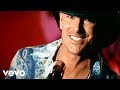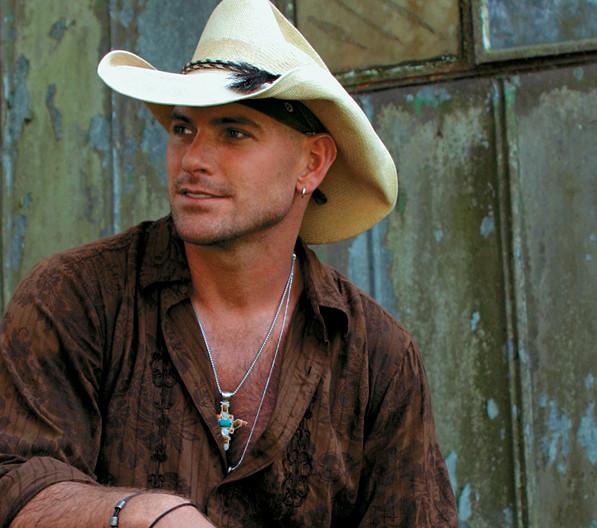
Keith Anderson

Country
Contemporary Country
 Viberate Rank: 38755
 Viberate Rank: 38755
 Monthly ListenersFollowers
 Subscribers
 Followers
 Followers
 FansTop Spotify Songs
| Track | 7-Day Streams | |
|---|---|---|
1 | 154.98K | |
2 | 17.86K | |
3 | 14.71K | |
4 | 14.22K | |
5 | 3.77K |
Top YouTube VideosMonthly ListenersFeatured in Playlists| Playlist | Followers | |
|---|---|---|
1 |  2000s Country Spotify | 1.01M |
2 |  Energy Booster: Country Spotify | 564.11K |
3 |  Old country classics and more Sam B. | 227.73K |
4 | MERICA🇺🇸🍻 Kamryn Stitz | 130.45K |
5 |  American Country Songs 🇺🇸 backsidebrad1999 | 120.38K |
Audience| City | Monthly Listeners | |
|---|---|---|
1 | | 8.28K |
2 | | 7.38K |
3 | | 7.24K |
4 | | 6.60K |
5 | | 5.31K |
See full performance history, audience data, playlist activity, rankings, comparisons, and more in Viberate music analytics. Start with a free trial, then continue with a paid plan.
Keith Anderson’s Spotify BioWomen swoon every time hunky country heartthrob Keith Anderson takes the stage, but despite his good looks, Anderson's first big country music break was a behind-the-scenes job. Born near the Ozark Mountains in Miami, OK, Anderson grew up listening to the Southern-fried sound of Lynyrd Skynyrd and Molly Hatchet along with numerous hair metal bands. A copy of Willie Nelson's Red Headed Stranger turned Anderson's attention toward country music. He started writing country songs and envisioned himself as country music star, but he was getting more attention for his baseball-playing skills, so much so that the Kansas City Royals approached him after one of his high-school games. A shoulder injury ended his baseball career, but his physical rehabilitation program led to an interest in bodybuilding, which led to him becoming the runner-up in the Mr. Oklahoma contest and, eventually, a part-time catalog model. After moving to Dallas, Anderson hit the local nightclub stages while working… various day jobs.
Writing ad jingles for local radio became his first paying gig in music. The pay wasn't great, but that he was paid at all was enough of an inspiration for Anderson to quit his day job and head for Nashville. Playing around town introduced him to some of the local professional songwriters, most notably George Ducas. Writing a couple songs with the well-revered Ducas was a big endorsement for Anderson, and soon every publishing house in Nashville was aware of him. A couple minor appearances on various albums appeared before Anderson hit pay dirt with "Beer Run," a tune that was recorded as a duet by Garth Brooks and George Jones in 2001. Anderson felt he now had the clout to become an artist on his own, and started approaching labels. It took a while, but eventually Arista Nashville came calling. The label issued Anderson's debut, Three Chord Country and American Rock & Roll, in 2005. ~ David Jeffries, Rovi
Viberate is a music analytics platform built for A&Rs, artist managers, labels, booking agents, marketers, and artists.
It helps music professionals track artist growth, analyze audience data, monitor playlist activity, compare artists, follow song performance, and identify opportunities across the music market.
Public artist pages provide a free preview of selected artist data. Paid plans provide access to deeper analytics, historical data, charts, comparisons, playlist tools, exports, alerts, reports, and additional professional features.
Yes. Public Viberate artist pages provide selected artist analytics and music data for free.
Viberate also offers a 7-day free trial of the full platform. A credit card is required to start the trial. The trial includes access to the complete product so users can test deeper artist analytics, historical views, playlist insights, comparisons, charts, exports, alerts, and reporting features before choosing a paid plan.
Viberate provides artist analytics across streaming, playlists, social media, video, radio airplay, songs, and audience markets.
Users can analyze Spotify performance, Spotify and Apple Music playlists, YouTube activity, TikTok and Instagram growth, radio spins, song performance, audience locations, demographics, rankings, and overall artist momentum.
Artist profiles also connect to music charts, similar artists, and comparison tools, helping users benchmark performance and evaluate artists in context.
Viberate updates key artist and track data daily.
For followed artists and tracks, selected data is refreshed multiple times per day. This helps teams monitor playlist changes, streaming movement, audience growth, releases, and campaign performance with more current data.
Update frequency can vary depending on the metric and data source.
Yes. Viberate lets users compare up to five artists side by side across streaming, social media, audience, and engagement metrics.
Users can compare fanbase growth, audience demographics, locations, Spotify performance, social metrics, and other artist data over selected time periods.
Artist comparison can be used for A&R scouting, benchmarking, booking decisions, campaign planning, and evaluating artists with similar audiences or market positions.