The Kinsey Report

Blues
Blues Rock
Contemporary Blues
 Viberate Rank: 537894
 Viberate Rank: 537894
 Monthly ListenersFollowers
 Subscribers
 Followers
 Followers
 FansTop Spotify Songs
| Track | 7-Day Streams | |
|---|---|---|
1 | 358 | |
2 | 304 | |
3 | 153 | |
4 | 40 | |
5 | 39 |
Top YouTube VideosMonthly ListenersFeatured in Playlists| Playlist | Followers | |
|---|---|---|
1 |  Slow Blues & Blues Rock | Don's Tunes Don's Tunes | 19.74K |
2 |  Keeping The Blues Alive Joe Bonamassa | 10.34K |
3 |  Rockin' Blues wyopoke87 | 9.54K |
4 |  Funky Blues Joar Fosså | 9.54K |
5 |  The Bluest Blues/ Slow Blues/ Late Night/ Romantic Instumental Blues/ Ballads Stefanos Nicolaidis | 7.91K |
Audience| City | Monthly Listeners | |
|---|---|---|
1 | | 54 |
2 |  | 44 |
3 |  | 29 |
4 |  | 28 |
5 | | 26 |
See full performance history, audience data, playlist activity, rankings, comparisons, and more in Viberate music analytics. Start with a free trial, then continue with a paid plan.
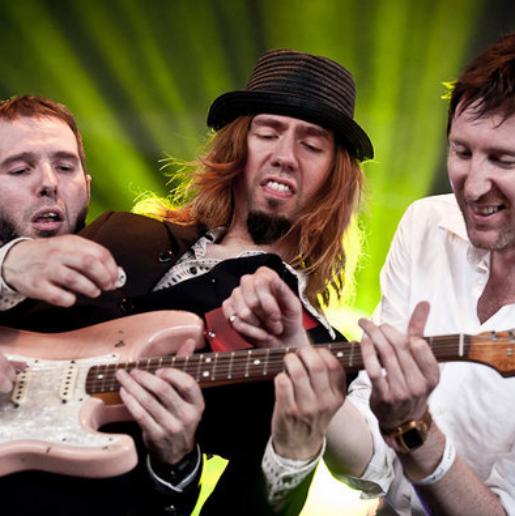
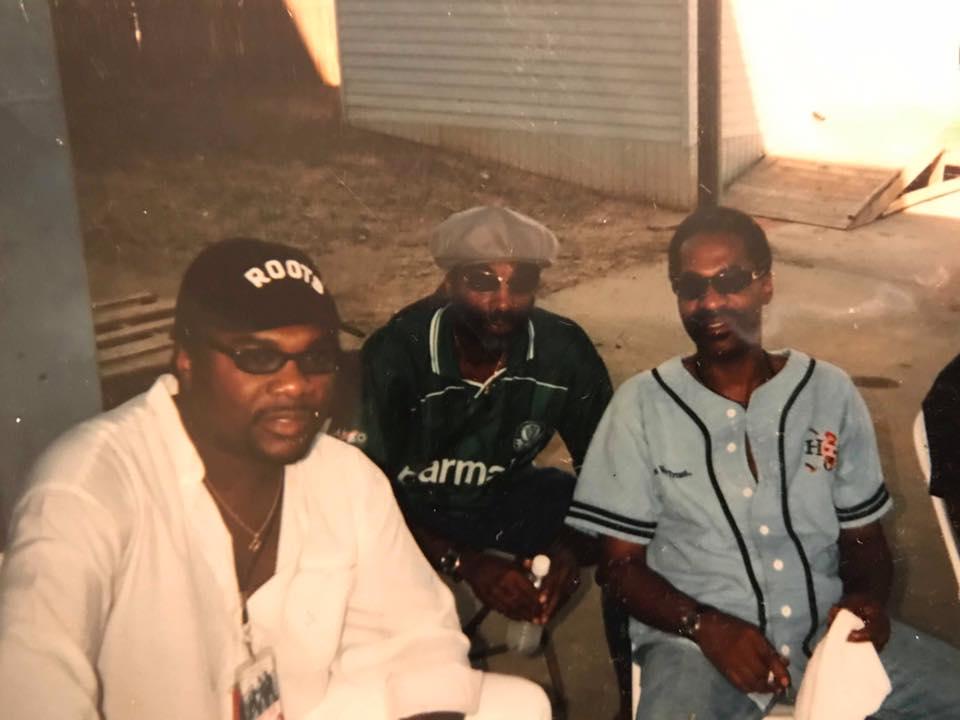
The Kinsey Report’s Spotify BioThis family band consisted of Donald Kinsey (vocal, guitar), Ralph "Woody" Kinsey (drums), Kenneth Kinsey (bass), and Ronald Prince (guitar). Solidly based in the blues as a result of lifelong training in the Big Daddy Kinsey household, the Kinsey scions were also versed in a broad range of music. Older brothers Donald and Ralph had an early blues-rock trio (White Lightnin') in the mid-'70s, long before they regrouped as the Kinsey Report in 1984 and began to launch new excursions into rock. Donald also recorded and toured with Albert King and with Bob Marley, and the influence of those giants (as well as that of Big Daddy Kinsey, naturally) show through in the music of the Kinsey Report. The band expertly covered all the bases from Chicago blues through reggae, rock, funk, and soul, and their recordings are also distinguished by the songwriting talents and self-contained production approach of the Kinseys. Drummer Ralph "Woody" Kinsey died on January 17, 2024 while in treatment for… cancer; he was 71. Only three weeks later, his brother, guitarist Donald Kinsey, lost his life to COPD on Feburuary 6, 2024 at the age of 70. ~ Jim O'Neal, Rovi
Viberate is a music analytics platform built for A&Rs, artist managers, labels, booking agents, marketers, and artists.
It helps music professionals track artist growth, analyze audience data, monitor playlist activity, compare artists, follow song performance, and identify opportunities across the music market.
Public artist pages provide a free preview of selected artist data. Paid plans provide access to deeper analytics, historical data, charts, comparisons, playlist tools, exports, alerts, reports, and additional professional features.
Yes. Public Viberate artist pages provide selected artist analytics and music data for free.
Viberate also offers a 7-day free trial of the full platform. A credit card is required to start the trial. The trial includes access to the complete product so users can test deeper artist analytics, historical views, playlist insights, comparisons, charts, exports, alerts, and reporting features before choosing a paid plan.
Viberate provides artist analytics across streaming, playlists, social media, video, radio airplay, songs, and audience markets.
Users can analyze Spotify performance, Spotify and Apple Music playlists, YouTube activity, TikTok and Instagram growth, radio spins, song performance, audience locations, demographics, rankings, and overall artist momentum.
Artist profiles also connect to music charts, similar artists, and comparison tools, helping users benchmark performance and evaluate artists in context.
Viberate updates key artist and track data daily.
For followed artists and tracks, selected data is refreshed multiple times per day. This helps teams monitor playlist changes, streaming movement, audience growth, releases, and campaign performance with more current data.
Update frequency can vary depending on the metric and data source.
Yes. Viberate lets users compare up to five artists side by side across streaming, social media, audience, and engagement metrics.
Users can compare fanbase growth, audience demographics, locations, Spotify performance, social metrics, and other artist data over selected time periods.
Artist comparison can be used for A&R scouting, benchmarking, booking decisions, campaign planning, and evaluating artists with similar audiences or market positions.