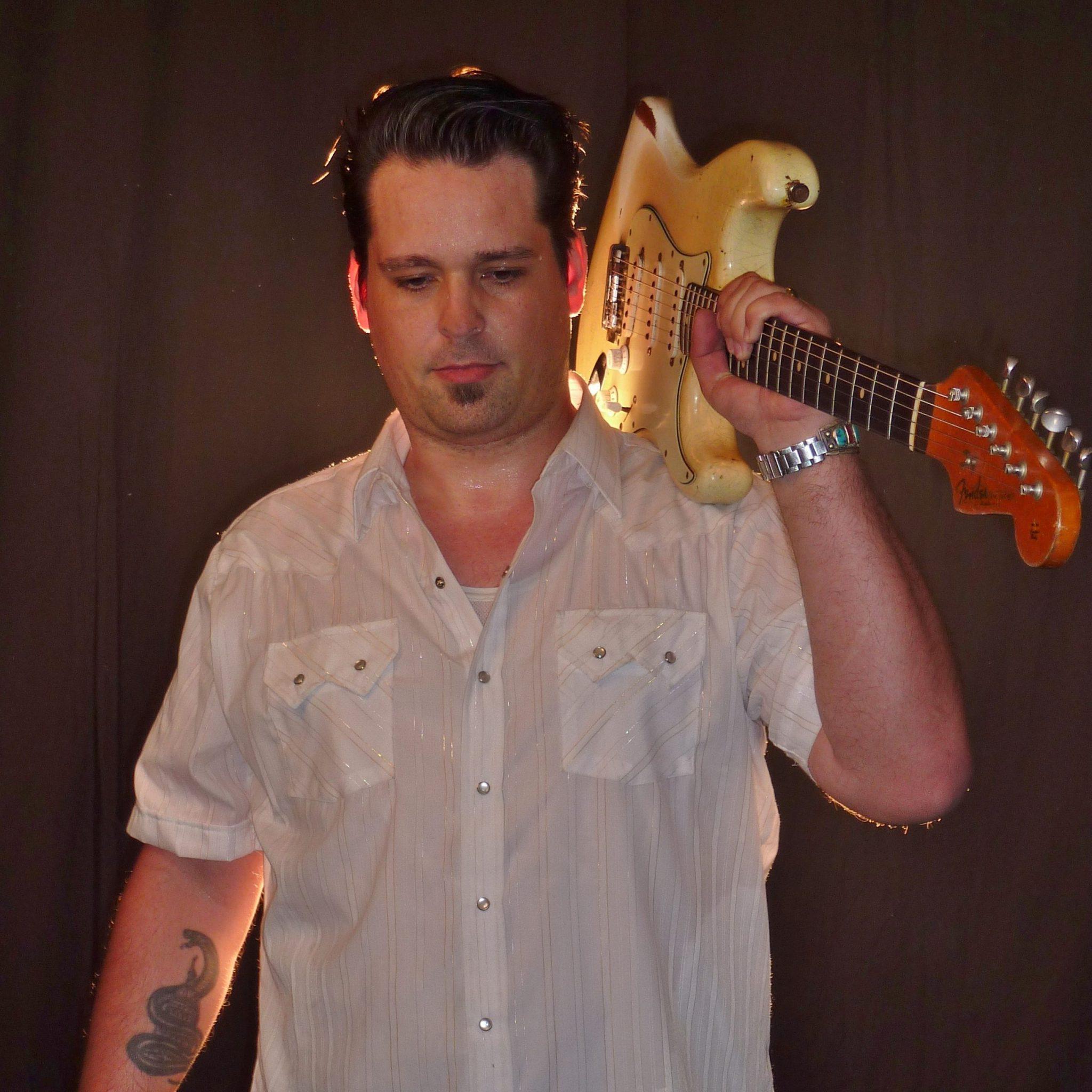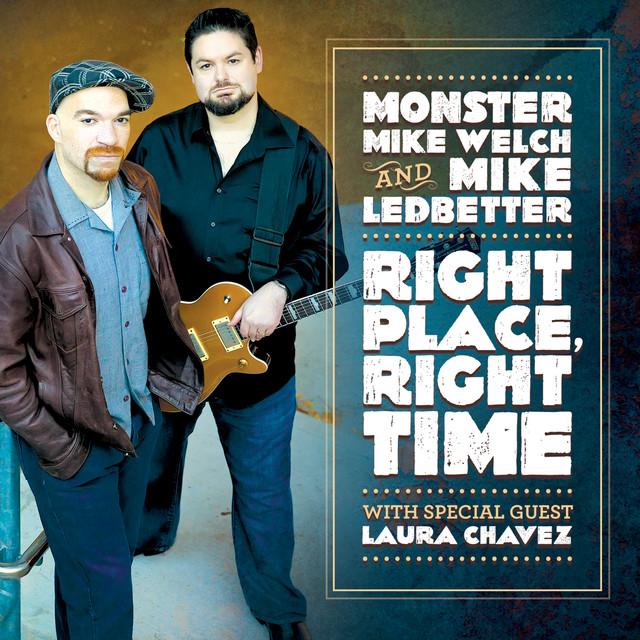
Monster Mike Welch

Blues
Blues Rock
Contemporary Blues
 Viberate Rank: 238611
 Viberate Rank: 238611
 Monthly ListenersFollowers
 Subscribers
 Followers
 Followers
 FansTop Spotify Songs
| Track | 7-Day Streams | |
|---|---|---|
1 | 122 | |
2 | 110 | |
3 | 79 | |
4 | 77 | |
5 | 60 |
Top YouTube VideosMonthly ListenersFeatured in Playlists| Playlist | Followers | |
|---|---|---|
1 |  Whiskey Blues 🥃 Тhe Original | The Best Slow Blues / Blues Rock Don's Tunes | 85.92K |
2 |  Don's Tunes | Blues & Jazz Playlist | Official Don's Tunes | 50.97K |
3 |  Blues Ballads/ Slow Blues Joar Fosså | 39.54K |
4 | Blues Classics StevieAnn | 35.56K |
5 |  Slow Blues & Blues Rock | Don's Tunes Don's Tunes | 19.74K |
Audience| City | Monthly Listeners | |
|---|---|---|
1 |  | 19 |
2 |  | 19 |
3 | | 19 |
4 |  | 15 |
5 |  | 15 |
See full performance history, audience data, playlist activity, rankings, comparisons, and more in Viberate music analytics. Start with a free trial, then continue with a paid plan.
Monster Mike Welch’s Spotify BioMike Welch is a Boston-area blues guitarist, vocalist, and songwriter who has released several albums on the Rounder Tone-Cool subsidiary. The fact that he's so good and so young is part of the reason why they called him "Monster." Welch got this name from actor/comedian/Blues Brother Dan Aykroyd, although the moniker was dropped following his second album.
Welch's releases for Tone-Cool, which essentially launched his career as an international touring act, include a 1996 release, These Blues Are Mine, and his 1997 album Axe to Grind.
He began his blues education with his father's record collection, and he picked up the guitar at age eight and tried to emulate the sounds he heard from recordings by Magic Sam, Earl Hooker and B.B. King. Welch also studied the rock & roll and blues-rock records of the Beatles and the Rolling Stones, but after hearing more of Albert King and other blues guitarists, he found his calling in life.
When he was 11, his parents began driving him to blues jams… around Boston. In the clubs, Welch learned from some of the greats of that scene, including Ronnie Earl and Luther "Guitar Jr." Johnson. Welch was invited to play at the opening of the first House of Blues club in Cambridge, Mass. in 1992. After co-owner Aykroyd heard him, his nickname changed from "Little Mikey" to "Monster Mike."
A few months later, Welch began working with George Lewis, who ran the blues jams at House of Blues, to put together the Monster Mike Welch Band. Welch is accompanied on his records by Lewis on guitar, Jon Ross on bass and Warren Grant on drums. Welch's biting, stinging Albert King-style guitar playing has better-than-average backing from these three on his Tone-Cool releases.
The crop of original songs he wrote on his first two albums for Tone-Cool demonstrate his prowess as a crafty blues songwriter. Whether he decides to go on to college or not, Welch has a bright future. All indications are that Welch, who got a flood of publicity because of his age, and was even quoted in People magazine -- "being an adolescent is more than enough blues for anyone to handle" -- should go on to a lengthy and varied career as a bluesman. He returned in 1998 with Catch Me. ~ Richard Skelly, Rovi
Viberate is a music analytics platform built for A&Rs, artist managers, labels, booking agents, marketers, and artists.
It helps music professionals track artist growth, analyze audience data, monitor playlist activity, compare artists, follow song performance, and identify opportunities across the music market.
Public artist pages provide a free preview of selected artist data. Paid plans provide access to deeper analytics, historical data, charts, comparisons, playlist tools, exports, alerts, reports, and additional professional features.
Yes. Public Viberate artist pages provide selected artist analytics and music data for free.
Viberate also offers a 7-day free trial of the full platform. A credit card is required to start the trial. The trial includes access to the complete product so users can test deeper artist analytics, historical views, playlist insights, comparisons, charts, exports, alerts, and reporting features before choosing a paid plan.
Viberate provides artist analytics across streaming, playlists, social media, video, radio airplay, songs, and audience markets.
Users can analyze Spotify performance, Spotify and Apple Music playlists, YouTube activity, TikTok and Instagram growth, radio spins, song performance, audience locations, demographics, rankings, and overall artist momentum.
Artist profiles also connect to music charts, similar artists, and comparison tools, helping users benchmark performance and evaluate artists in context.
Viberate updates key artist and track data daily.
For followed artists and tracks, selected data is refreshed multiple times per day. This helps teams monitor playlist changes, streaming movement, audience growth, releases, and campaign performance with more current data.
Update frequency can vary depending on the metric and data source.
Yes. Viberate lets users compare up to five artists side by side across streaming, social media, audience, and engagement metrics.
Users can compare fanbase growth, audience demographics, locations, Spotify performance, social metrics, and other artist data over selected time periods.
Artist comparison can be used for A&R scouting, benchmarking, booking decisions, campaign planning, and evaluating artists with similar audiences or market positions.