The Hoax

Blues
Blues Rock
Contemporary Blues
 Viberate Rank: 338749
 Viberate Rank: 338749
 Monthly ListenersFollowers
 Subscribers
 Followers
 Followers
 FansTop Spotify Songs
| Track | 7-Day Streams | |
|---|---|---|
1 | 390 | |
2 | 231 | |
3 | 123 | |
4 | 106 | |
5 | 90 |
Top YouTube VideosMonthly ListenersFeatured in Playlists| Playlist | Followers | |
|---|---|---|
1 |  Brit-Blues Spotify | 192.75K |
2 |  Don's Tunes | Blues & Jazz Playlist | Official Don's Tunes | 50.97K |
3 |  Whiskey Blues Carlos Zapata | 22.14K |
4 |  Slow Blues & Blues Rock | Don's Tunes Don's Tunes | 19.74K |
5 |  Keeping The Blues Alive Joe Bonamassa | 10.34K |
Audience| City | Monthly Listeners | |
|---|---|---|
1 | | 47 |
2 |  | 45 |
3 |  | 28 |
4 |  | 26 |
5 |  | 25 |
See full performance history, audience data, playlist activity, rankings, comparisons, and more in Viberate music analytics. Start with a free trial, then continue with a paid plan.
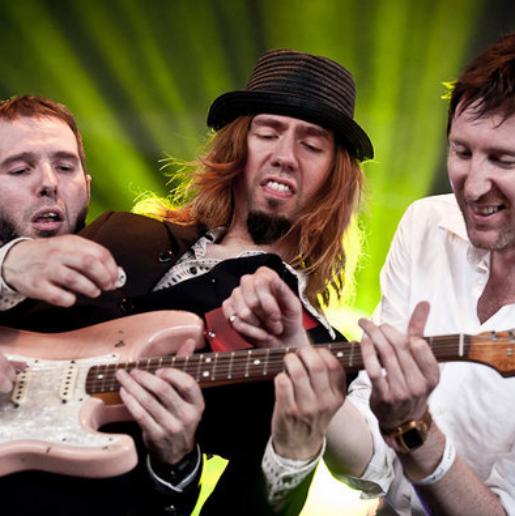
The Hoax’s Spotify BioBritish blues-rock group the Hoax consisted of Jon Amor on guitar, Hugh Coltman on vocals and harmonica, Jess Davey on guitar, Robin Davey on bass, and Dave Raeburn on drums. The members were all young students of the blues and had played together since they were in their teens; songwriting and arrangements were worked out together by all five members. The Hoax began to attract attention while on tour with the Smokin' Joe Kubek Band around England, and Code Blue Records label chief Mike Vernon signed them to a deal. Vernon, a veteran producer who had worked with John Mayall, Eric Clapton, Ten Years After, Savoy Brown, and David Bowie, was impressed by the maturity in the band's playing. Critics in England were also impressed with the band's prowess and heaped praise on the Hoax, comparing them to the Yardbirds, John Mayall's Bluesbreakers, and the Rolling Stones. Their debut album, Sound Like This, was released in 1995 on the Code Blue/Atlantic label (although Code Blue was later… jettisoned by Atlantic), and the recording is a good reflection of their live shows. On it, the band pays tribute to its influences, such as Albert Collins, Albert King, the Fabulous Thunderbirds, Robben Ford, and Stevie Ray Vaughan. ~ Richard Skelly, Rovi
Viberate is a music analytics platform built for A&Rs, artist managers, labels, booking agents, marketers, and artists.
It helps music professionals track artist growth, analyze audience data, monitor playlist activity, compare artists, follow song performance, and identify opportunities across the music market.
Public artist pages provide a free preview of selected artist data. Paid plans provide access to deeper analytics, historical data, charts, comparisons, playlist tools, exports, alerts, reports, and additional professional features.
Yes. Public Viberate artist pages provide selected artist analytics and music data for free.
Viberate also offers a 7-day free trial of the full platform. A credit card is required to start the trial. The trial includes access to the complete product so users can test deeper artist analytics, historical views, playlist insights, comparisons, charts, exports, alerts, and reporting features before choosing a paid plan.
Viberate provides artist analytics across streaming, playlists, social media, video, radio airplay, songs, and audience markets.
Users can analyze Spotify performance, Spotify and Apple Music playlists, YouTube activity, TikTok and Instagram growth, radio spins, song performance, audience locations, demographics, rankings, and overall artist momentum.
Artist profiles also connect to music charts, similar artists, and comparison tools, helping users benchmark performance and evaluate artists in context.
Viberate updates key artist and track data daily.
For followed artists and tracks, selected data is refreshed multiple times per day. This helps teams monitor playlist changes, streaming movement, audience growth, releases, and campaign performance with more current data.
Update frequency can vary depending on the metric and data source.
Yes. Viberate lets users compare up to five artists side by side across streaming, social media, audience, and engagement metrics.
Users can compare fanbase growth, audience demographics, locations, Spotify performance, social metrics, and other artist data over selected time periods.
Artist comparison can be used for A&R scouting, benchmarking, booking decisions, campaign planning, and evaluating artists with similar audiences or market positions.