The Jealous Sound

Punk
Pop Punk
Pop Rock
 Viberate Rank: 242228
 Viberate Rank: 242228
 Monthly ListenersFollowers
 Subscribers
 Followers
 Followers
 FansTop Spotify Songs
| Track | 7-Day Streams | |
|---|---|---|
1 | 2.81K | |
2 | 694 | |
3 | 607 | |
4 | 397 | |
5 | 302 |
Top YouTube VideosMonthly ListenersFeatured in Playlists| Playlist | Followers | |
|---|---|---|
1 | Dawsons Creek - All Songs from all Seasons Jürgen Koller | 21.54K |
2 | 100 Best Emo Songs by Vulture Ray Rahman | 9.07K |
3 |  90s Emo 1294439369 | 5.62K |
4 |  180 Grados Radio3 By Alexmonti90 y Virginia Diaz. Audrey M. Montilla | 4.73K |
5 | bostonphoenix | 4.59K |
Audience| City | Monthly Listeners | |
|---|---|---|
1 | | 183 |
2 | | 178 |
3 | | 172 |
4 | | 149 |
5 | | 105 |
See full performance history, audience data, playlist activity, rankings, comparisons, and more in Viberate music analytics. Start with a free trial, then continue with a paid plan.
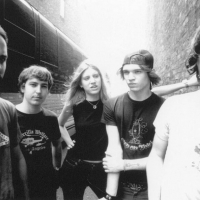
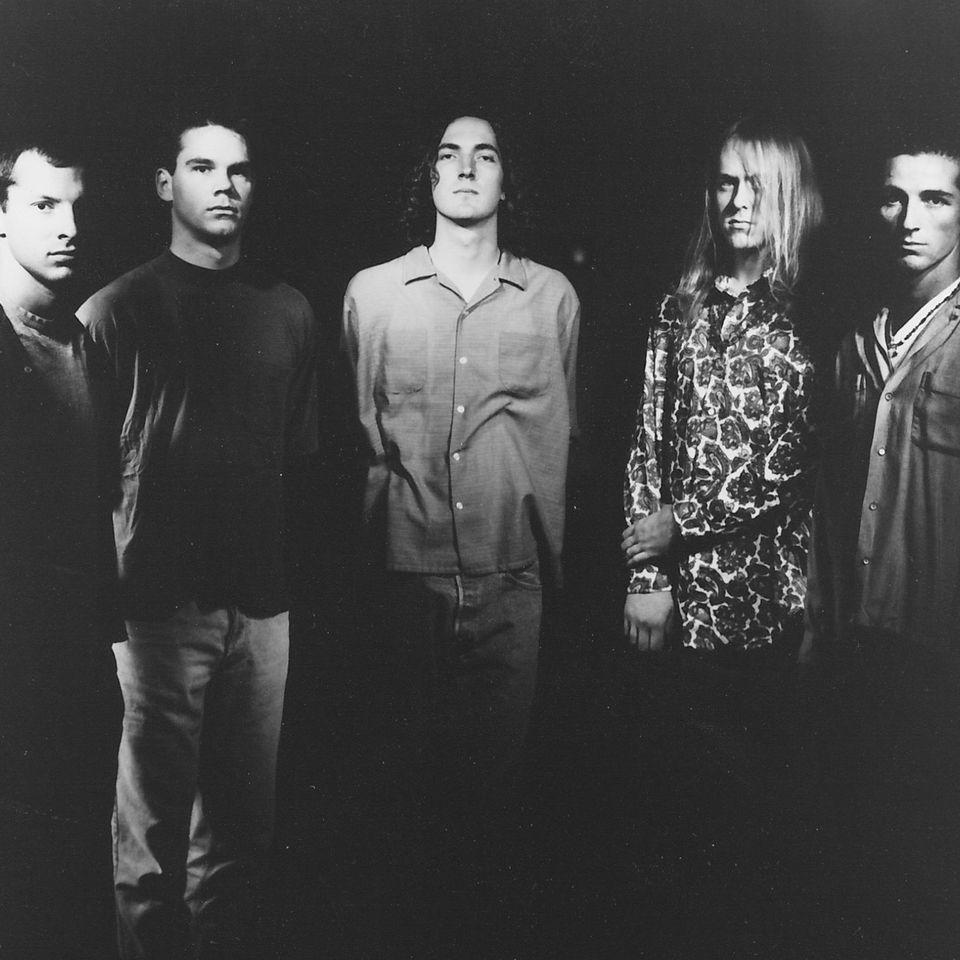
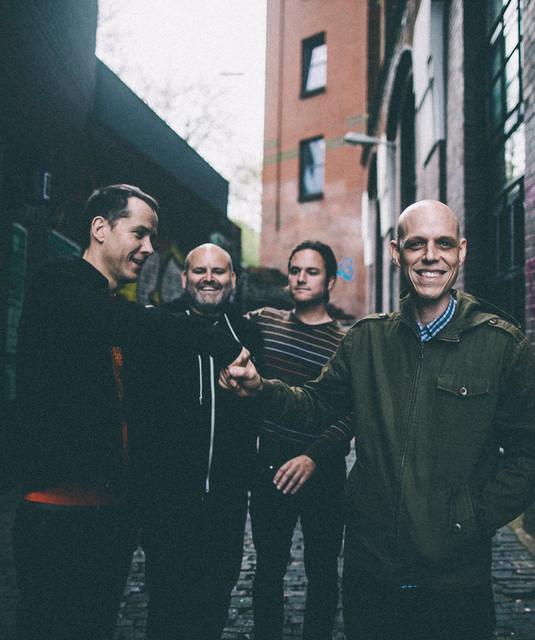
The Jealous Sound’s Spotify BioSunday's Best's Pedro Benito (guitar), John McGinnis of Neither Trumpets nor Drums (bass), ex-Knapsack singer/guitarist Blair Shehan, and former Pulley drummer Tony Palermo began their journey as the Jealous Sound at the tail-end of the 1990s. They signed with Better Looking in summer 2000 and quickly issued a self-titled EP; it went on to sell 11,000 copies and to gigs with At the Drive-In, the Get Up Kids, the Promise Ring, and Death Cab for Cutie, which made the band's buzz soar. SPIN magazine praised the Jealous Sound as "the rock you must have." The next year, Mojo Records offered the foursome a contract, but after weeks of making a deal, the label lost their distribution. The Jealous Sound were without a label, but pride didn't stop them from getting back with Better Looking. Plans for a proper studio full-length came together in late 2002; the band headed into the studio with Tim O'Heir (Lou Barlow, Morphine, Juliana Hatfield); Adam Wade of Shudder to Think stepped in for the… departing Palermo before the year's end. A full, heavy rock sound was found on the Jealous Sound's long-awaited full-length debut, Kill Them with Kindness, which appeared in June 2003 and coincided with North American dates with the Foo Fighters. Three years later, rumors circulated that the band had split, but by 2008, they returned with the Got Friends EP and the following year supported Sunny Day Real Estate on their reunion tour. This tour led to a musical partnership with SDRE/Foo Fighters bassist Nate Mendel, who contributed his writing and performing talents (as well as a year to work in the Foo Fighters' Studio 606) to the Jealous Sound's sophomore full-length, A Gentle Reminder, which arrived in early 2012. A deluxe version of that album that included the Got Friends EP appeared on Rise Records a year later. ~ MacKenzie Wilson, Rovi
Viberate is a music analytics platform built for A&Rs, artist managers, labels, booking agents, marketers, and artists.
It helps music professionals track artist growth, analyze audience data, monitor playlist activity, compare artists, follow song performance, and identify opportunities across the music market.
Public artist pages provide a free preview of selected artist data. Paid plans provide access to deeper analytics, historical data, charts, comparisons, playlist tools, exports, alerts, reports, and additional professional features.
Yes. Public Viberate artist pages provide selected artist analytics and music data for free.
Viberate also offers a 7-day free trial of the full platform. A credit card is required to start the trial. The trial includes access to the complete product so users can test deeper artist analytics, historical views, playlist insights, comparisons, charts, exports, alerts, and reporting features before choosing a paid plan.
Viberate provides artist analytics across streaming, playlists, social media, video, radio airplay, songs, and audience markets.
Users can analyze Spotify performance, Spotify and Apple Music playlists, YouTube activity, TikTok and Instagram growth, radio spins, song performance, audience locations, demographics, rankings, and overall artist momentum.
Artist profiles also connect to music charts, similar artists, and comparison tools, helping users benchmark performance and evaluate artists in context.
Viberate updates key artist and track data daily.
For followed artists and tracks, selected data is refreshed multiple times per day. This helps teams monitor playlist changes, streaming movement, audience growth, releases, and campaign performance with more current data.
Update frequency can vary depending on the metric and data source.
Yes. Viberate lets users compare up to five artists side by side across streaming, social media, audience, and engagement metrics.
Users can compare fanbase growth, audience demographics, locations, Spotify performance, social metrics, and other artist data over selected time periods.
Artist comparison can be used for A&R scouting, benchmarking, booking decisions, campaign planning, and evaluating artists with similar audiences or market positions.