Sense Field

Rock
Alternative Rock
Indie Rock
Hardcore Punk
 Viberate Rank: 190586
 Viberate Rank: 190586
 Monthly ListenersFollowers
 Subscribers
 Followers
 Followers
 FansTop Spotify Songs
| Track | 7-Day Streams | |
|---|---|---|
1 | 3.37K | |
2 | 998 | |
3 | 592 | |
4 | 581 | |
5 | 559 |
Top YouTube VideosMonthly ListenersFeatured in Playlists| Playlist | Followers | |
|---|---|---|
1 |  Post-Hardcore: Classics Iodine Recordings | 5.66K |
2 |  90s Emo 1294439369 | 5.62K |
3 |  180 Grados Radio3 By Alexmonti90 y Virginia Diaz. Audrey M. Montilla | 4.73K |
4 | bostonphoenix | 4.59K |
5 |  Roswell Soundtrack fannybanny1 | 4.56K |
Audience| City | Monthly Listeners | |
|---|---|---|
1 | | 238 |
2 | | 237 |
3 |  | 235 |
4 | | 211 |
5 |  | 186 |
See full performance history, audience data, playlist activity, rankings, comparisons, and more in Viberate music analytics. Start with a free trial, then continue with a paid plan.
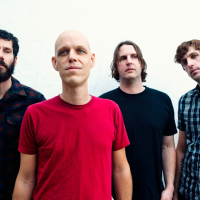
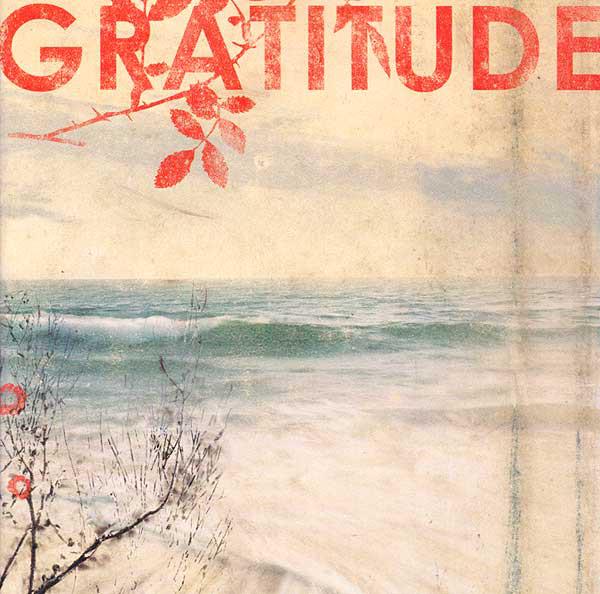
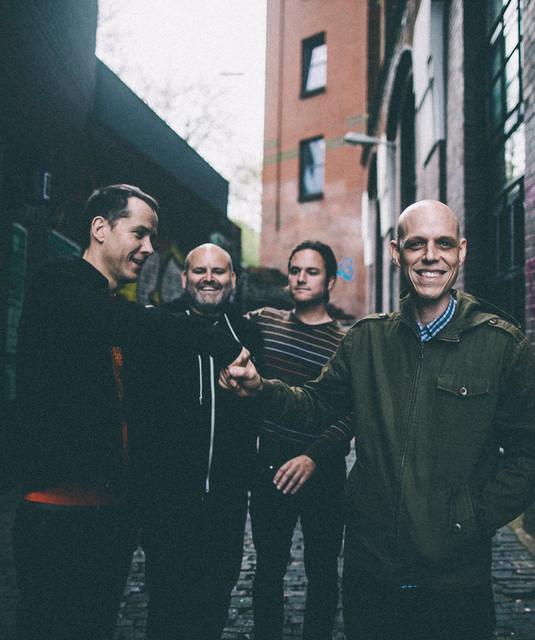
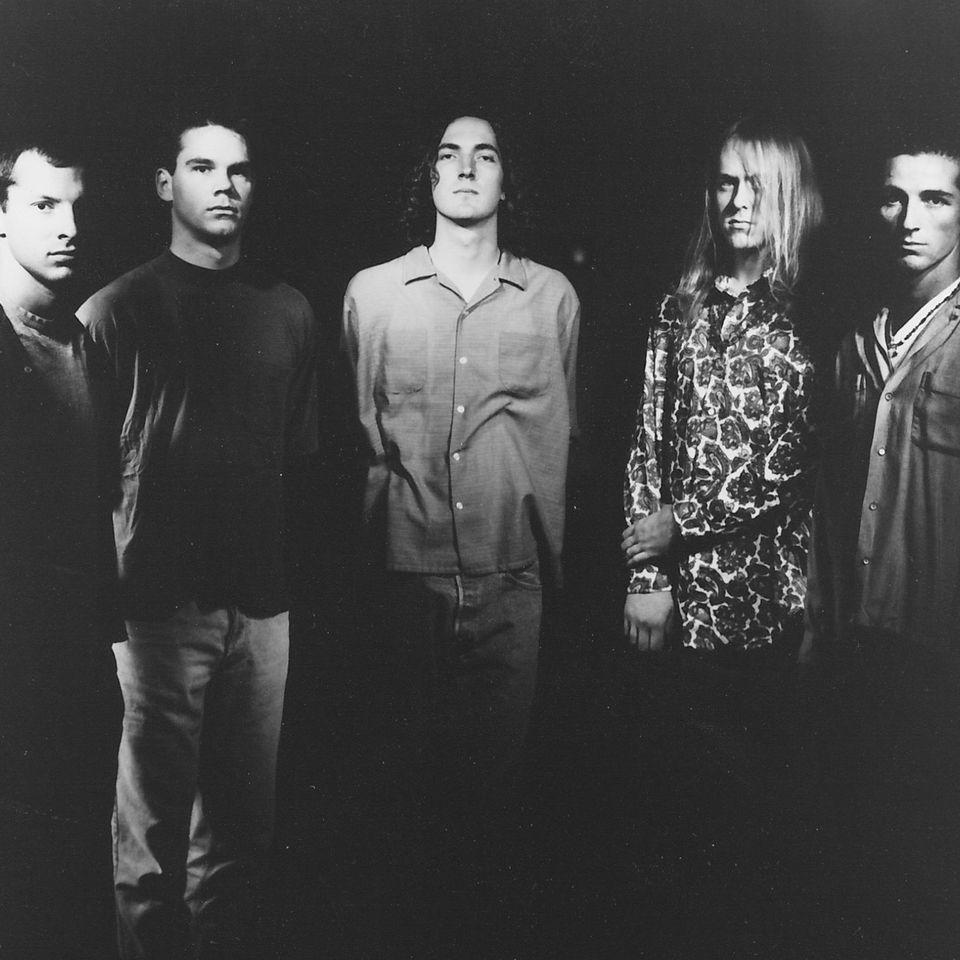
Sense Field’s Spotify BioCalifornia's Sense Field were one of the trailblazers in the '90s era of emo/post-hardcore, formed from the ashes of legendary SoCal hardcore outfit, Reason to Believe. Jon Bunch and Chris Evenson created Reason to Believe, later adding Rodney Sellars and John Stockberger. With the shift to Sense Field the band brought in drummer Scott McPherson (later replaced by Rob Pfeiffer). Sense Field self-released their first EP and were quickly signed to Revelation Records. The band went on to release three albums with Revelation: a self-titled album, Killed for Less and Building. Following a bidding war, Sense Field signed with Warner Bros. Records, only to sit in limbo for five years as the label restaffed multiple times, ending with the band being cut from the label's roster. Sense Field then signed with Nettwerk and saw the release of Tonight and Forever, featuring the single "Save Yourself." In 2002, the band performed on The Tonight Show and enjoyed success on commercial radio stations.… The band's final album, Living Outside, was released in 2003. Jon went on to join Further Seems Forever, Rodney formed The Year Zero, Scott performed with Elliott Smith, and Chris released the song "Bittersweet Eve" with The Juliana Theory's Brett Detar under the name Belasana The members briefly reunited for a pair of Revelation Records 25th anniversary shows in 2012. On January 31, 2016, Jon Bunch passed away in Irvine, California. The surviving band members hosted a pair of memorial shows.
Viberate is a music analytics platform built for A&Rs, artist managers, labels, booking agents, marketers, and artists.
It helps music professionals track artist growth, analyze audience data, monitor playlist activity, compare artists, follow song performance, and identify opportunities across the music market.
Public artist pages provide a free preview of selected artist data. Paid plans provide access to deeper analytics, historical data, charts, comparisons, playlist tools, exports, alerts, reports, and additional professional features.
Yes. Public Viberate artist pages provide selected artist analytics and music data for free.
Viberate also offers a 7-day free trial of the full platform. A credit card is required to start the trial. The trial includes access to the complete product so users can test deeper artist analytics, historical views, playlist insights, comparisons, charts, exports, alerts, and reporting features before choosing a paid plan.
Viberate provides artist analytics across streaming, playlists, social media, video, radio airplay, songs, and audience markets.
Users can analyze Spotify performance, Spotify and Apple Music playlists, YouTube activity, TikTok and Instagram growth, radio spins, song performance, audience locations, demographics, rankings, and overall artist momentum.
Artist profiles also connect to music charts, similar artists, and comparison tools, helping users benchmark performance and evaluate artists in context.
Viberate updates key artist and track data daily.
For followed artists and tracks, selected data is refreshed multiple times per day. This helps teams monitor playlist changes, streaming movement, audience growth, releases, and campaign performance with more current data.
Update frequency can vary depending on the metric and data source.
Yes. Viberate lets users compare up to five artists side by side across streaming, social media, audience, and engagement metrics.
Users can compare fanbase growth, audience demographics, locations, Spotify performance, social metrics, and other artist data over selected time periods.
Artist comparison can be used for A&R scouting, benchmarking, booking decisions, campaign planning, and evaluating artists with similar audiences or market positions.