Hot Rod Circuit

Rock
Indie Rock
Indie Pop
 Viberate Rank: 158989
 Viberate Rank: 158989
 Monthly ListenersFollowers
 Subscribers
 Followers
 Followers
 FansTop Spotify Songs
| Track | 7-Day Streams | |
|---|---|---|
1 | 4.89K | |
2 | 3.14K | |
3 | 2.80K | |
4 | 1.99K | |
5 | 1.78K |
Top YouTube VideosMonthly ListenersFeatured in Playlists| Playlist | Followers | |
|---|---|---|
1 |  Pop Punk Playlist! Pure Noise Records | 17.98K |
2 |  Anakin Skywalker Star Wars | 15.99K |
3 |  Punk Goes Everything Nick Jones | 14.44K |
4 |  Pop Punk Influences Brandon Ossont | 13.21K |
5 | emonight_bk | 10.55K |
Audience| City | Monthly Listeners | |
|---|---|---|
1 | | 636 |
2 | | 632 |
3 | | 620 |
4 | | 588 |
5 | | 406 |
See full performance history, audience data, playlist activity, rankings, comparisons, and more in Viberate music analytics. Start with a free trial, then continue with a paid plan.
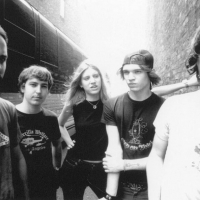
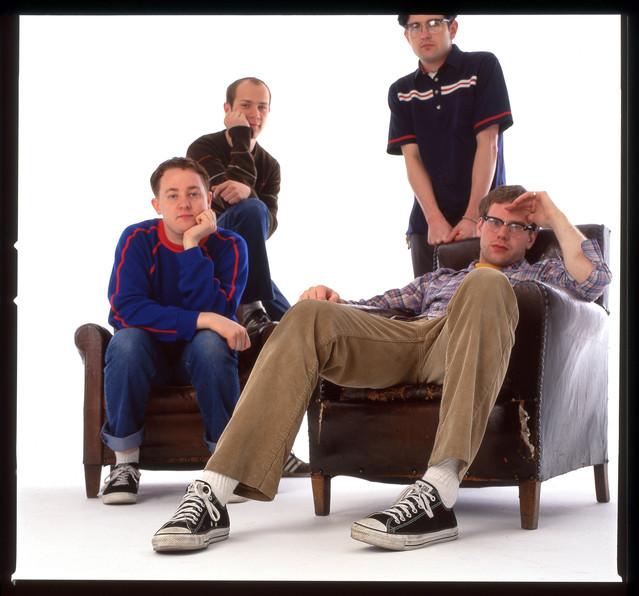
Hot Rod Circuit’s Spotify BioOriginally from Auburn, AL, Hot Rod Circuit comprised Andy Jackson (vocal, rhythm guitar), Casey Prestwood (lead guitar, vocals), Jay Russel (bass, vocals), and Wes Cross (drums), and could be compared to other post-grunge emo rock bands such as Jawbox and the Get Up Kids. In their earlier days, Hot Rod Circuit was known as Antidote, under which name they released the album Mr. Glenbowski. The album earned the group a 1998 Best Unsigned Band Award from Musician magazine. Shortly after the award, they named themselves Hot Rod Circuit, and with the change in name came a change in scenery, as the band relocated to Connecticut. There they released their debut album, 1999's If I Knew Now What I Knew Then, through New York-based Triple Crown under their new moniker. To promote the album the group toured with the Get Up Kids, Jazz June, and At the Drive-In before following up with If It's Cool with You It's Cool with Me in fall 2000. In spring 2002, Hot Rod Circuit released Sorry About… Tomorrow, their first for Vagrant, while that fall Triple Crown issued Been There, Smoked That, a compilation of sorts that contained an out of print self-titled EP from 1999 along with other previously unreleased early material. Tours with acts like Dashboard Confessional and Saves the Day supported their records on the road, as the guys began writing new material inspired by the college rock they grew up on, like the Pixies, Dinosaur Jr., and the Lemonheads. Their resulting more matured Vagrant follow-up, Reality's Coming Through, was produced by Tim O'Heir and surfaced in August 2004. Tour dates with Straylight Run, Piebald, and the Snake the Cross the Crown followed, along with a spot on 2005's Bamboozle Festival. Russel exited the band that June, forcing the guys to drop off the Get Up Kids' farewell tour. By fall 2006, Hot Rod Circuit had found a new label home at Immortal Records and released The Underground Is a Dying Breed in March 2007. By then, the quartet comprised Jackson and Prestwood alongside bassist Joe Balaro and drummer Dan Duggins. ~ Diana Potts, Rovi
Viberate is a music analytics platform built for A&Rs, artist managers, labels, booking agents, marketers, and artists.
It helps music professionals track artist growth, analyze audience data, monitor playlist activity, compare artists, follow song performance, and identify opportunities across the music market.
Public artist pages provide a free preview of selected artist data. Paid plans provide access to deeper analytics, historical data, charts, comparisons, playlist tools, exports, alerts, reports, and additional professional features.
Yes. Public Viberate artist pages provide selected artist analytics and music data for free.
Viberate also offers a 7-day free trial of the full platform. A credit card is required to start the trial. The trial includes access to the complete product so users can test deeper artist analytics, historical views, playlist insights, comparisons, charts, exports, alerts, and reporting features before choosing a paid plan.
Viberate provides artist analytics across streaming, playlists, social media, video, radio airplay, songs, and audience markets.
Users can analyze Spotify performance, Spotify and Apple Music playlists, YouTube activity, TikTok and Instagram growth, radio spins, song performance, audience locations, demographics, rankings, and overall artist momentum.
Artist profiles also connect to music charts, similar artists, and comparison tools, helping users benchmark performance and evaluate artists in context.
Viberate updates key artist and track data daily.
For followed artists and tracks, selected data is refreshed multiple times per day. This helps teams monitor playlist changes, streaming movement, audience growth, releases, and campaign performance with more current data.
Update frequency can vary depending on the metric and data source.
Yes. Viberate lets users compare up to five artists side by side across streaming, social media, audience, and engagement metrics.
Users can compare fanbase growth, audience demographics, locations, Spotify performance, social metrics, and other artist data over selected time periods.
Artist comparison can be used for A&R scouting, benchmarking, booking decisions, campaign planning, and evaluating artists with similar audiences or market positions.