The Jaguars

Rock
Progressive Rock
Alternative Rock
 Viberate Rank: 346746
 Viberate Rank: 346746
 Monthly ListenersFollowers
 Subscribers
 Followers
 Followers
 FansTop Spotify Songs
| Track | 7-Day Streams | |
|---|---|---|
1 | 1.00K | |
2 | 251 | |
3 | 160 | |
4 | 121 | |
5 | 54 |
Top YouTube VideosMonthly ListenersFeatured in Playlists| Playlist | Followers | |
|---|---|---|
1 | Unofficial Reverb Radio Jeff Ferruzzo | 21.82K |
2 |  FIP Radio (en live) Matthou | 13.31K |
3 |  El Sótano de Radio 3 Groovyfamily | 9.84K |
4 |  You're Not From Around Here Numero Group | 9.60K |
5 | Chicano Low Rider Oldies F_Dell | 8.14K |
Audience| City | Monthly Listeners | |
|---|---|---|
1 | | 129 |
2 | | 47 |
3 | | 47 |
4 |  | 47 |
5 | | 41 |
See full performance history, audience data, playlist activity, rankings, comparisons, and more in Viberate music analytics. Start with a free trial, then continue with a paid plan.
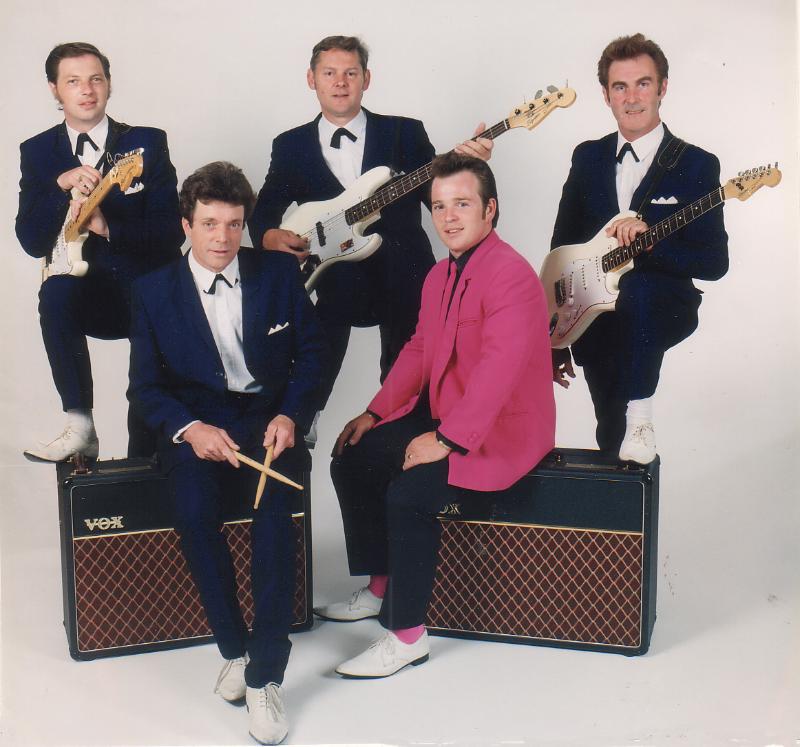
The Jaguars’ Spotify BioThe Jaguars came together on the campus of L.A.'s Fremont High, home to some of the finest doo wop groups, including contemporaries like Dootones, Calvanes, Meadowlarks, Medallions, and Penguins. The school was one of the first high schools in the United States to integrate their classes, in 1954, and the Jaguars were themselves one of the very first racially integrated vocal groups of the '50s: Texas-born lead tenor Herman Chaney (aka Sonny Chaney) and Louisiana-born bass singer Charles Middleton were both black, while Detroit-born second tenor Valerio "Val" Poliuto was white and baritone Manuel "Manny" Chavez was a Hispanic and the only native Californian in the group.
The group originally called themselves the Miracles (they were one of the first groups to do so) and recorded a lot of material for John Dolphin's various labels in the mid-'50s, though no songs were released. (Dolphin was a well-known Central Ave. music mogul who also owned a radio station, KRKD, which broadcast live… from the window of his Dolphin's of Hollywood record store, in addition to owning numerous small record labels (including Cash, Money, and others). They moved over to Aardell Records (on Selma Ave., Hollywood's Record Row, owned by Bob Ross) in 1955 and began calling themselves the Jaguars, releasing a few singles under that name for the new label, of which the powerful R&B ballad "I Wanted You" is one of their best. Their third attempt succeeded in breaking the group nationally when they covered the Jerome Kern and Dorothy Fields-penned Broadway tune "The Way You Look Tonight," released in 1956 on the R-Dell imprint. The group continued to record -- it was reissued no less than five different times in an attempt to score a national hit, always without success -- but the failed to chart again. ("The Way You Look Tonight" was a hit when the Lettermen recorded it a few years later, in 1961).
By 1957, the group moved over to Ebb Records (owned and operated by Lee Rupe, the wife of Specialty Records' owner Art Rupe). Middleton left the lineup the following year and the remaining trio recorded "Thinking of You" with his temporary replacement, L.A. doo wop icon Richard Berry for Original Sound Records, a new label operated by DJ Art Laboe. The song also featured a rather stunning falsetto by Tony Allen and became a minor hit. The Jaguars recorded into the '60s, but finally disbanded after no additional hits. Chaney and Chavez later worked as a duo. Poliuto occasionally performs at the Southern California Doo Wop Society. ~ Bryan Thomas, Rovi
Viberate is a music analytics platform built for A&Rs, artist managers, labels, booking agents, marketers, and artists.
It helps music professionals track artist growth, analyze audience data, monitor playlist activity, compare artists, follow song performance, and identify opportunities across the music market.
Public artist pages provide a free preview of selected artist data. Paid plans provide access to deeper analytics, historical data, charts, comparisons, playlist tools, exports, alerts, reports, and additional professional features.
Yes. Public Viberate artist pages provide selected artist analytics and music data for free.
Viberate also offers a 7-day free trial of the full platform. A credit card is required to start the trial. The trial includes access to the complete product so users can test deeper artist analytics, historical views, playlist insights, comparisons, charts, exports, alerts, and reporting features before choosing a paid plan.
Viberate provides artist analytics across streaming, playlists, social media, video, radio airplay, songs, and audience markets.
Users can analyze Spotify performance, Spotify and Apple Music playlists, YouTube activity, TikTok and Instagram growth, radio spins, song performance, audience locations, demographics, rankings, and overall artist momentum.
Artist profiles also connect to music charts, similar artists, and comparison tools, helping users benchmark performance and evaluate artists in context.
Viberate updates key artist and track data daily.
For followed artists and tracks, selected data is refreshed multiple times per day. This helps teams monitor playlist changes, streaming movement, audience growth, releases, and campaign performance with more current data.
Update frequency can vary depending on the metric and data source.
Yes. Viberate lets users compare up to five artists side by side across streaming, social media, audience, and engagement metrics.
Users can compare fanbase growth, audience demographics, locations, Spotify performance, social metrics, and other artist data over selected time periods.
Artist comparison can be used for A&R scouting, benchmarking, booking decisions, campaign planning, and evaluating artists with similar audiences or market positions.