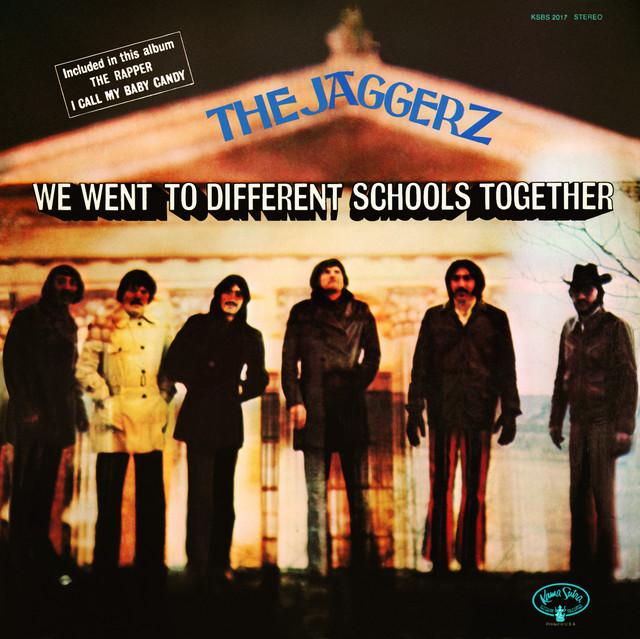
The Jaggerz

Blues
Blues Rock
Soul
Funk Rock
 Viberate Rank: 232550
 Viberate Rank: 232550
 Monthly ListenersFollowers
 Subscribers
 Followers
 Followers
 FansTop Spotify Songs
| Track | 7-Day Streams | |
|---|---|---|
1 | 6.23K | |
2 | 5.48K | |
3 | 320 | |
4 | 216 | |
5 | 188 |
Top YouTube Videos| Video | 7-Day Views | |
|---|---|---|
1 | 126 |
Monthly ListenersFeatured in Playlists| Playlist | Followers | |
|---|---|---|
1 | 70'S songs Player — Baby Come Back Joe Rocha | 20.95K |
2 | Samples: Hip Hop & Rap Alex Barbosa | 18.05K |
3 | West Coast Swing✨ 2026 Sabrina Skandy | 14.84K |
4 | 70s one hit wonders shanonkirklandskirkland | 11.16K |
5 | 1970 - Billboard Top 100 Songs Inge Nordén | 10.04K |
Audience| City | Monthly Listeners | |
|---|---|---|
1 | | 981 |
2 | | 422 |
3 | | 288 |
4 | | 286 |
5 | | 242 |
See full performance history, audience data, playlist activity, rankings, comparisons, and more in Viberate music analytics. Start with a free trial, then continue with a paid plan.
The Jaggerz’s Spotify BioBest known for their 1970 smash "The Rapper," the Jaggerz were formed in Pittsburgh during the mid-'60s by singer/guitarist Dominic Ierace, guitarist Benny Faiella, bassists Jimmy Ross and Billy Maybray, keyboardist Thom Davies, and drummer Jim Pugliano. After earning a fervent following on the local club circuit, the group ultimately signed to Kenny Gamble and Leon Huff's label Gamble Records to issue their 1969 debut LP, Introducing the Jaggerz. When the record tanked, the band signed to Kama Sutra for 1970's We Went to Different Schools Together, falling just shy of topping the charts with "The Rapper." The single was the Jaggerz's lone chart hit, however, and they were soon reduced to again hitting the local club scene. After one final LP, 1975's Come Again, the group disbanded. Frontman Ierace promptly changed his name to Donnie Iris and joined Wild Cherry, scoring a major disco-era hit with "Play That Funky Music" before going on to mount a solo career.
In 1998, Ross, Faiella, and… Pugliano teamed up with Dennis McAbee (guitar), Jamie Peck (saxophone), Hermie Granati (keyboards, vocals), and David Granati (guitar) to record And the Band Played On..., an album comprising Jaggerz favorites and some new songs. Re-Rapped by Request followed in 2001, and the band continued to be sporadically active during the 2000s and 2010s, releasing their sixth album, The Walk, in 2014. ~ Jason Ankeny, Rovi
Viberate is a music analytics platform built for A&Rs, artist managers, labels, booking agents, marketers, and artists.
It helps music professionals track artist growth, analyze audience data, monitor playlist activity, compare artists, follow song performance, and identify opportunities across the music market.
Public artist pages provide a free preview of selected artist data. Paid plans provide access to deeper analytics, historical data, charts, comparisons, playlist tools, exports, alerts, reports, and additional professional features.
Yes. Public Viberate artist pages provide selected artist analytics and music data for free.
Viberate also offers a 7-day free trial of the full platform. A credit card is required to start the trial. The trial includes access to the complete product so users can test deeper artist analytics, historical views, playlist insights, comparisons, charts, exports, alerts, and reporting features before choosing a paid plan.
Viberate provides artist analytics across streaming, playlists, social media, video, radio airplay, songs, and audience markets.
Users can analyze Spotify performance, Spotify and Apple Music playlists, YouTube activity, TikTok and Instagram growth, radio spins, song performance, audience locations, demographics, rankings, and overall artist momentum.
Artist profiles also connect to music charts, similar artists, and comparison tools, helping users benchmark performance and evaluate artists in context.
Viberate updates key artist and track data daily.
For followed artists and tracks, selected data is refreshed multiple times per day. This helps teams monitor playlist changes, streaming movement, audience growth, releases, and campaign performance with more current data.
Update frequency can vary depending on the metric and data source.
Yes. Viberate lets users compare up to five artists side by side across streaming, social media, audience, and engagement metrics.
Users can compare fanbase growth, audience demographics, locations, Spotify performance, social metrics, and other artist data over selected time periods.
Artist comparison can be used for A&R scouting, benchmarking, booking decisions, campaign planning, and evaluating artists with similar audiences or market positions.