The Hold Steady

Rock
Indie Rock
Americana/Alt Country
 Viberate Rank: 69102
 Viberate Rank: 69102
 Monthly ListenersFollowers
 Subscribers
 Followers
 Followers
 FansTop Spotify Songs
| Track | 7-Day Streams | |
|---|---|---|
1 | 6.61K | |
2 | 6.22K | |
3 | 4.19K | |
4 | 4.12K | |
5 | 3.85K |
Top YouTube Videos| Video | 7-Day Views | |
|---|---|---|
1 | 678 | |
2 | 306 | |
3 | 204 | |
4 | 191 | |
5 | 136 |
Monthly ListenersFeatured in Playlists| Playlist | Followers | |
|---|---|---|
1 |  Fidi & Bumsi Spotify | 353.23K |
2 |  Rock Charts Music Empowering Inc. | 94.67K |
3 | GRUNGE zerubi | 80.89K |
4 | Game of Thrones Shriya Abbi Velloor | 77.71K |
5 |  NPR Tiny Desk Concerts: compilation Tatiana Mangericão | 64.20K |
Audience| City | Monthly Listeners | |
|---|---|---|
1 | | 2.29K |
2 | | 2.24K |
3 |  | 1.72K |
4 | | 1.45K |
5 | | 1.41K |
See full performance history, audience data, playlist activity, rankings, comparisons, and more in Viberate music analytics. Start with a free trial, then continue with a paid plan.
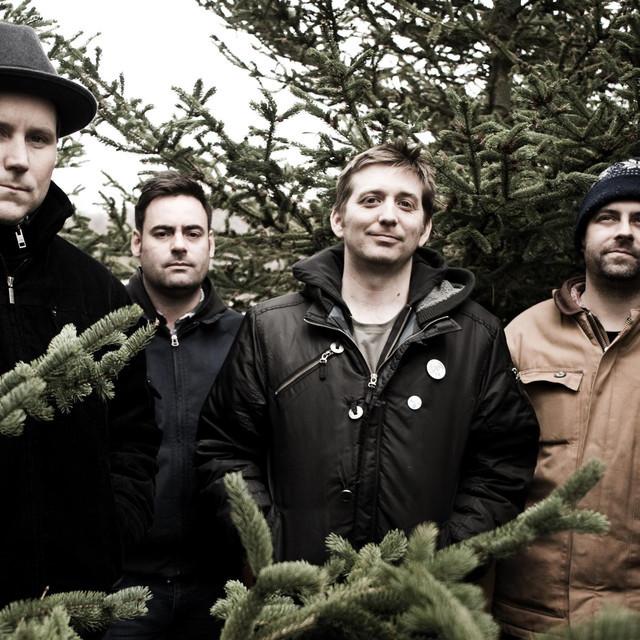
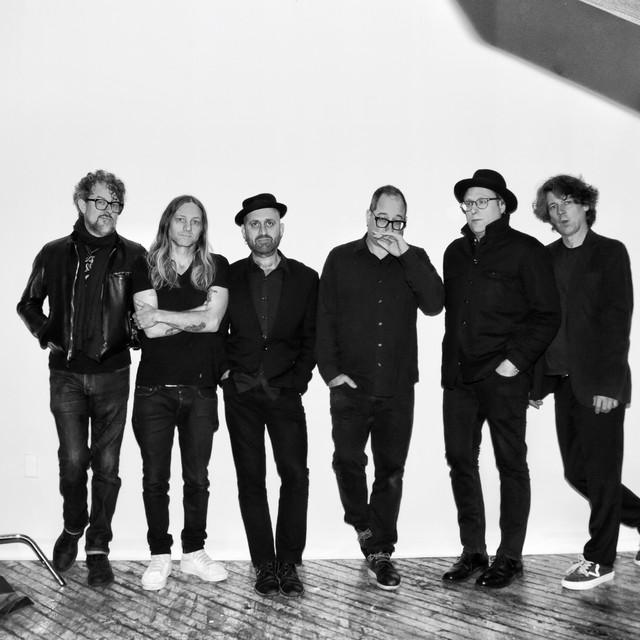
The Hold Steady’s Spotify BioA band who upheld the values and integrity of indie and punk rock, the Hold Steady were not afraid to embrace rock classicism, fusing the bar band vigor of the Replacements with the epic-scale musical backdrops of Bruce Springsteen, while vocalist Craig Finn spilled out stories that were as impassioned as they were unpretentiously literate. They attracted a fervently dedicated following who embraced the beery, anthemic style of their debut album, 2004's Almost Killed Me. They refined their music and lyrical stance while increasing their guitar on 2014's ambitious Teeth Dreams, and they explored an alienated culture with near-operatic sweep on 2021's Open Door Policy and 2023's The Price of Progress.
Vocalist/guitarist Craig Finn (ex-Lifter Puller) formed the Hold Steady after moving to New York from Minneapolis in 2000. Wanting to capture the sound of bands such as the Replacements and the Grifters, he recruited guitarist Tad Kubler (also ex-Lifter Puller), drummer Judd Counsell, and… bassist Galen Polivka. Recording mostly live, the band released its debut, Almost Killed Me, on Frenchkiss Records in March 2004. Dave Gardener (Rocket from the Crypt, Drive Like Jehu) and Dean Botulonis signed on to produce Separation Sunday, which arrived in 2005. The World/Inferno Friendship Society's Franz Nicolay (keyboards) and Bobby Drake (drums), formerly of End Transmission and Arm, were also added to the Hold Steady lineup. The band's third effort, 2006's Boys and Girls in America, marked its first release for Vagrant. After writing the majority of their fourth record on the road, the Hold Steady returned to John Agnello's Water Music studio to record Stay Positive, their most heavily produced effort. In July of 2008, the album was released by both Vagrant and Rough Trade.
In 2010, the band announced the departure of Franz Nicolay. Later that same year, they released their fifth album, Heaven Is Whenever. In 2012, they went on a brief hiatus, with frontman Craig Finn releasing his debut solo album, Clear Heart Full Eyes. Regrouping with new guitarist Steve Selvidge in 2013, the revitalized five-piece reentered the studio to record a track for the Game of Thrones soundtrack that was also released as a limited-edition single on Record Store Day 2013. Near the beginning of 2014, they issued their sixth album, Teeth Dreams, as well as the covers EP RAGS -- all proceeds from the EP went to help the children of longtime Hold Steady fan Mike "Jersey Mike" Van Jura, who sadly passed away in 2012. After the band finished touring for Teeth Dreams, Finn began work on a solo album. The more intimate and personal Faith in the Future was produced by Josh Kaufman and released by Partisan Records in late 2015. He played solo shows throughout the first half of the year, then turned his attention back to Hold Steady business, namely deluxe reissues of Almost Killed Me and Separation Sunday. They arrived at the end of 2016 and to celebrate, the band (which welcomed back Franz Nicolay) played festivals and a series of sold-out shows in Brooklyn.
The Hold Steady returned in August 2019 with Thrashing Thru the Passion, which contained some tracks previously released on a series of EPs that appeared between 2017 and 2019. That same year, they returned to the studio with producer Josh Kaufman and engineer D. James Goodwin to start recording their eighth album. Laid down in two separate sessions, the group embarked on a series of celebratory weekend shows that saw them play several end-of-the-week residencies in major cities, including a three-night stand in London in March 2020, while debuting some of the new material. After wrapping up their London shows, the COVID-19 pandemic forced the band to return to New York and cancel the remaining weekend gigs on their schedule, and the album's release was put on hold. At the end of 2020 the Hold Steady issued the single "Family Farm," quickly followed in early 2021 by "Heavy Covenant" and "Spices." The tracks were previews of Open Door Policy, issued by the band's Positive Jams label in February 2021. The group's ninth album, March 2023's The Price of Progress, was one of their richest offerings to date, with strings and horns adding weight to the arrangements as Finn delivered ten story-songs full of vivid imagery and compelling characters. Four months later, the Hold Steady teamed with author Michael Hann to publish The Gospel of the Hold Steady: How a Resurrection Really Feels, a book of essays from and about the band, with contributions from their fans and some of their favorite authors. ~ Kenyon Hopkin & Rich Wilson, Rovi
Viberate is a music analytics platform built for A&Rs, artist managers, labels, booking agents, marketers, and artists.
It helps music professionals track artist growth, analyze audience data, monitor playlist activity, compare artists, follow song performance, and identify opportunities across the music market.
Public artist pages provide a free preview of selected artist data. Paid plans provide access to deeper analytics, historical data, charts, comparisons, playlist tools, exports, alerts, reports, and additional professional features.
Yes. Public Viberate artist pages provide selected artist analytics and music data for free.
Viberate also offers a 7-day free trial of the full platform. A credit card is required to start the trial. The trial includes access to the complete product so users can test deeper artist analytics, historical views, playlist insights, comparisons, charts, exports, alerts, and reporting features before choosing a paid plan.
Viberate provides artist analytics across streaming, playlists, social media, video, radio airplay, songs, and audience markets.
Users can analyze Spotify performance, Spotify and Apple Music playlists, YouTube activity, TikTok and Instagram growth, radio spins, song performance, audience locations, demographics, rankings, and overall artist momentum.
Artist profiles also connect to music charts, similar artists, and comparison tools, helping users benchmark performance and evaluate artists in context.
Viberate updates key artist and track data daily.
For followed artists and tracks, selected data is refreshed multiple times per day. This helps teams monitor playlist changes, streaming movement, audience growth, releases, and campaign performance with more current data.
Update frequency can vary depending on the metric and data source.
Yes. Viberate lets users compare up to five artists side by side across streaming, social media, audience, and engagement metrics.
Users can compare fanbase growth, audience demographics, locations, Spotify performance, social metrics, and other artist data over selected time periods.
Artist comparison can be used for A&R scouting, benchmarking, booking decisions, campaign planning, and evaluating artists with similar audiences or market positions.