Okkervil River

Rock
Indie Rock
Indie Pop
Americana/Alt Country
 Viberate Rank: 70655
 Viberate Rank: 70655
 Monthly ListenersFollowers
 Subscribers
 Followers
 Followers
 FansTop Spotify Songs
| Track | 7-Day Streams | |
|---|---|---|
1 | 15.49K | |
2 | 8.73K | |
3 | 6.55K | |
4 | 4.53K | |
5 | 4.15K |
Top YouTube VideosMonthly ListenersFeatured in Playlists| Playlist | Followers | |
|---|---|---|
1 |  Acoustic Christmas Spotify | 374.16K |
2 |  Fidi & Bumsi Spotify | 353.24K |
3 |  00s Indie Folk Spotify | 127.70K |
4 | RS Playlist Rolling Stone | 96.02K |
5 |  10s Indie Folk Spotify | 89.53K |
Audience| City | Monthly Listeners | |
|---|---|---|
1 | | 2.22K |
2 | | 2.04K |
3 |  | 1.70K |
4 | | 1.55K |
5 | | 1.55K |
See full performance history, audience data, playlist activity, rankings, comparisons, and more in Viberate music analytics. Start with a free trial, then continue with a paid plan.
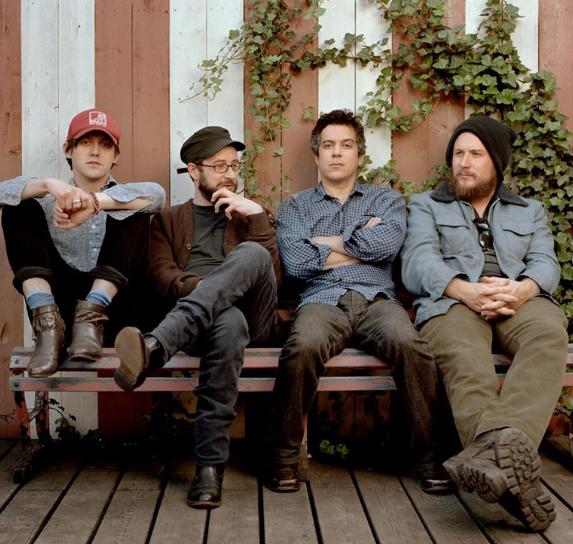
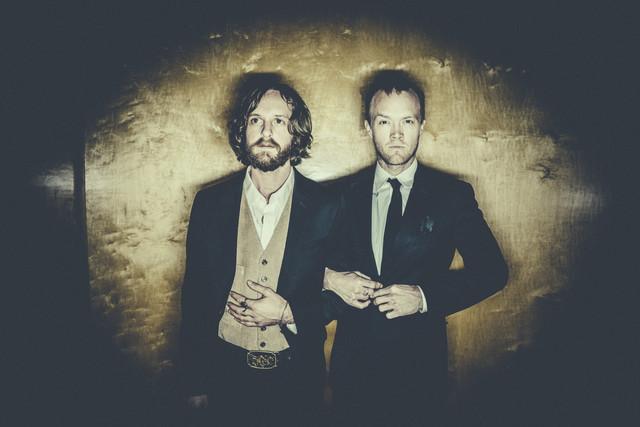
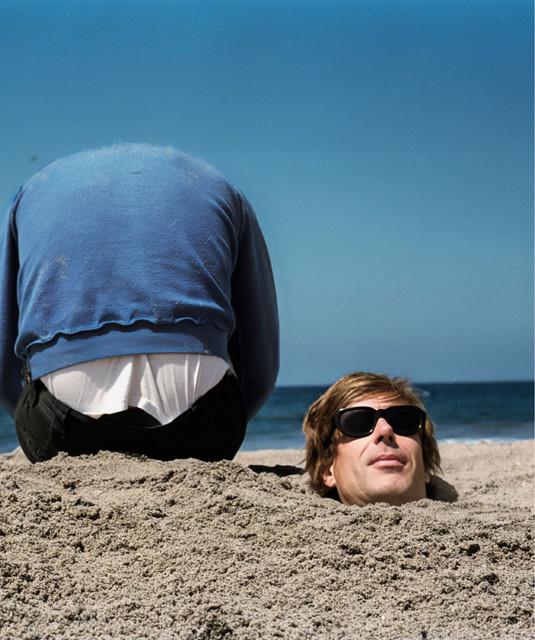
Okkervil River’s Spotify BioTaking their name from a short story by Russian author Tatyana Tolstaya, Okkervil River are a Lone Star State-based indie rock outfit led by erudite tunesmith Will Sheff, who has remained the sole constant member throughout the band's tenure. Employing a wide range of styles that veer from vivid Americana and pastoral folk to rowdy indie rock and electronic-tinged psych-pop, the band became a regional fixture before finding national success in the mid- to late 2000s via acclaimed LPs like Black Sheep Boy and Stage Names, and subsequently with late-career highlights such as Silver Gymnasium.
Vocalist Will Robinson Sheff and drummer Seth Warren first rubbed shoulders as high-school students in Meriden, New Hampshire, a town they eventually left to attend different colleges. The two reconvened several years later in Austin, where they put together Okkervil River with the help of bassist Zachary Thomas. The group recorded several EPs as a trio, including 2000's Stars Too Small to Use,… before crossing paths with multi-instrumentalist Jonathan Meiburg at a local bar. Meiburg soon joined the band, and Okkervil River made their first big splash at the SXSW festival in March 2000.
Producer Brian Beattie caught the band's SXSW showcase and agreed to helm Okkervil River's debut album, Don't Fall in Love with Everyone You See. Warren relocated to California during the recording sessions and was replaced by drummer Mark Pedini; meanwhile, the band inked a record contract with Jagjaguwar, which released the completed Don't Fall in Love in January 2002. A second release, Down the River of Golden Dreams, followed one year later. Pedini had left the band by early 2003, however, thus leaving his former bandmates without a drummer as they prepared to return to SXSW. Travis Nelson climbed aboard as a temporary replacement and soon joined the permanent lineup, as did lap steel guitarist Howard Draper.
Already renowned in Texas, Okkervil River rose to national prominence with the release of 2005's Black Sheep Boy, followed several months later by the Black Sheep Boy Appendix EP. Both albums featured a wide crop of musicians, and the band's lineup continued to change as Scott Brackett joined on keyboards and Pat Pestorius replaced Zach Thomas on bass. Okkervil River's profile was likewise expanding, as Virgin Records reissued both Black Sheep Boy discs in Europe. Despite the international buzz, several bandmates found themselves torn between Okkervil River and Shearwater, a group originally founded in 2001 as a side project for Meiburg and Sheff. As the side project evolved into a full-fledged band, Meiburg quit Okkervil River to devote his full attention to Shearwater. Brian Cassidy was then hired, and the new lineup unveiled itself with 2007's Stage Names.
Stage Names climbed to number 62 on the Billboard charts, Okkervil River's highest peak to date. Three months after its release, pianist Justin Sherburn joined the band. Lineup changes continued into 2008, as Cassidy left and was replaced by the Wrens' Charlie Bissell, who toured throughout the summer before giving up his spot to guitarist Lauren Gurgiolo. With their newest lineup intact, Okkervil River returned that fall with the band's fifth album, The Stand Ins. TV performances and various tour dates followed, as did the opportunity to serve as Roky Erickson's backing band on True Love Cast Out All Evil. Okkervil River frontman Sheff produced the critically acclaimed album, a role he reprised on his own band's 2011 release, I Am Very Far. Sheff went Back to the Future on 2013's Silver Gymnasium, an 11-track ode to his hometown of Meridian, New Hampshire. The next few years saw Sheff endure a number of hardships, both personal and professional. By 2016, he had rebuilt both himself and the band from the ground up, culminating in the release of the deeply personal Away. Two years later Sheff and company returned with In the Rainbow Rain, a vivid, buoyant, and stylistically diverse collection of songs that signaled a tonal shift away from the bucolic folk of their previous outing. ~ Andrew Leahey, Rovi
Viberate is a music analytics platform built for A&Rs, artist managers, labels, booking agents, marketers, and artists.
It helps music professionals track artist growth, analyze audience data, monitor playlist activity, compare artists, follow song performance, and identify opportunities across the music market.
Public artist pages provide a free preview of selected artist data. Paid plans provide access to deeper analytics, historical data, charts, comparisons, playlist tools, exports, alerts, reports, and additional professional features.
Yes. Public Viberate artist pages provide selected artist analytics and music data for free.
Viberate also offers a 7-day free trial of the full platform. A credit card is required to start the trial. The trial includes access to the complete product so users can test deeper artist analytics, historical views, playlist insights, comparisons, charts, exports, alerts, and reporting features before choosing a paid plan.
Viberate provides artist analytics across streaming, playlists, social media, video, radio airplay, songs, and audience markets.
Users can analyze Spotify performance, Spotify and Apple Music playlists, YouTube activity, TikTok and Instagram growth, radio spins, song performance, audience locations, demographics, rankings, and overall artist momentum.
Artist profiles also connect to music charts, similar artists, and comparison tools, helping users benchmark performance and evaluate artists in context.
Viberate updates key artist and track data daily.
For followed artists and tracks, selected data is refreshed multiple times per day. This helps teams monitor playlist changes, streaming movement, audience growth, releases, and campaign performance with more current data.
Update frequency can vary depending on the metric and data source.
Yes. Viberate lets users compare up to five artists side by side across streaming, social media, audience, and engagement metrics.
Users can compare fanbase growth, audience demographics, locations, Spotify performance, social metrics, and other artist data over selected time periods.
Artist comparison can be used for A&R scouting, benchmarking, booking decisions, campaign planning, and evaluating artists with similar audiences or market positions.