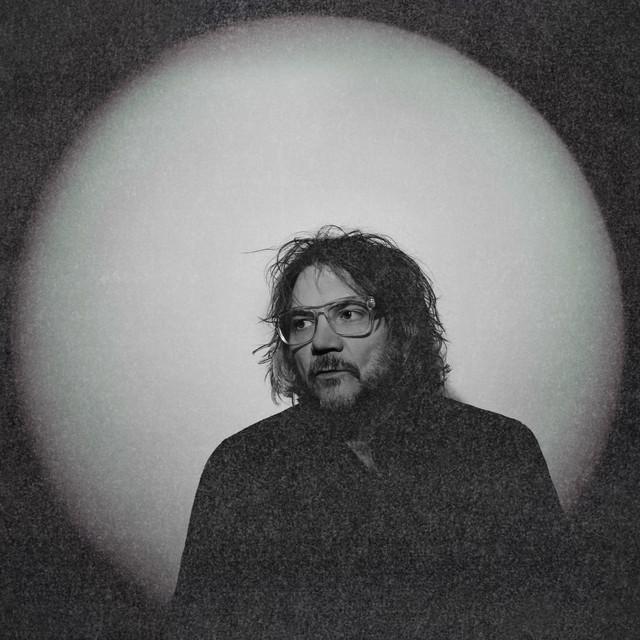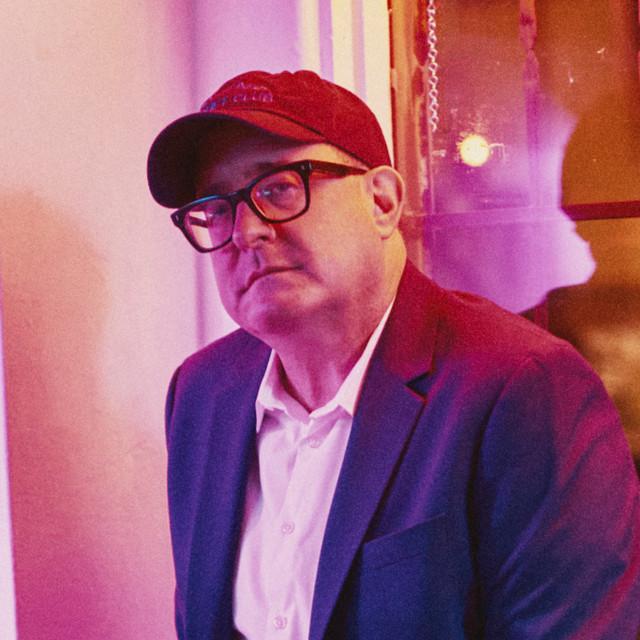
Craig Finn

Rock
Alternative Rock
Indie Rock
 Viberate Rank: 119221
 Viberate Rank: 119221
 Monthly ListenersFollowers
 Subscribers
 Followers
 Followers
 FansTop Spotify Songs
| Track | 7-Day Streams | |
|---|---|---|
1 | 2.21K | |
2 | 2.17K | |
3 | 2.03K | |
4 | 1.90K | |
5 | 1.67K |
Top YouTube VideosMonthly ListenersFeatured in Playlists| Playlist | Followers | |
|---|---|---|
1 | While You Work (@whileyouwork) Eli Feghali | 81.75K |
2 |  NPR All Songs Considered - The Bob Boilen years (unofficial) Fri Tsch | 30.02K |
3 |  Zeugs Olli Schulz | 26.20K |
4 |  One Foot Before The Other Frank Turner | 12.99K |
5 | Blues, Rock and more @miguelregueira | 9.71K |
Audience| City | Monthly Listeners | |
|---|---|---|
1 |  | 827 |
2 | | 760 |
3 | | 584 |
4 | | 401 |
5 | | 400 |
See full performance history, audience data, playlist activity, rankings, comparisons, and more in Viberate music analytics. Start with a free trial, then continue with a paid plan.
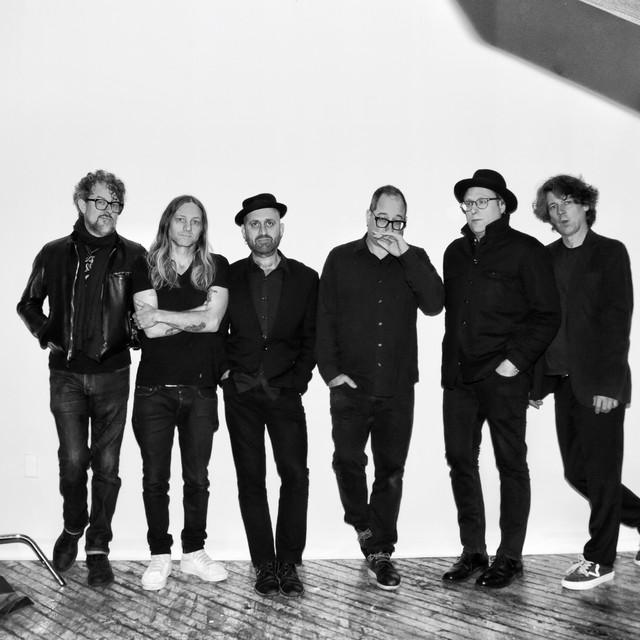
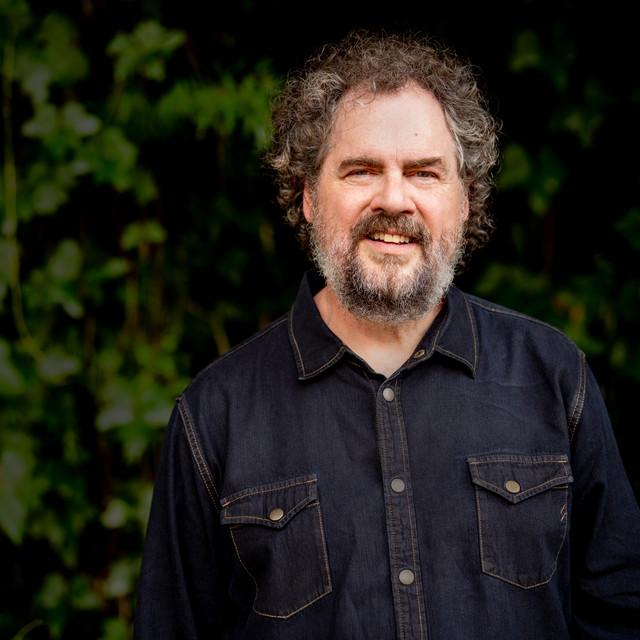
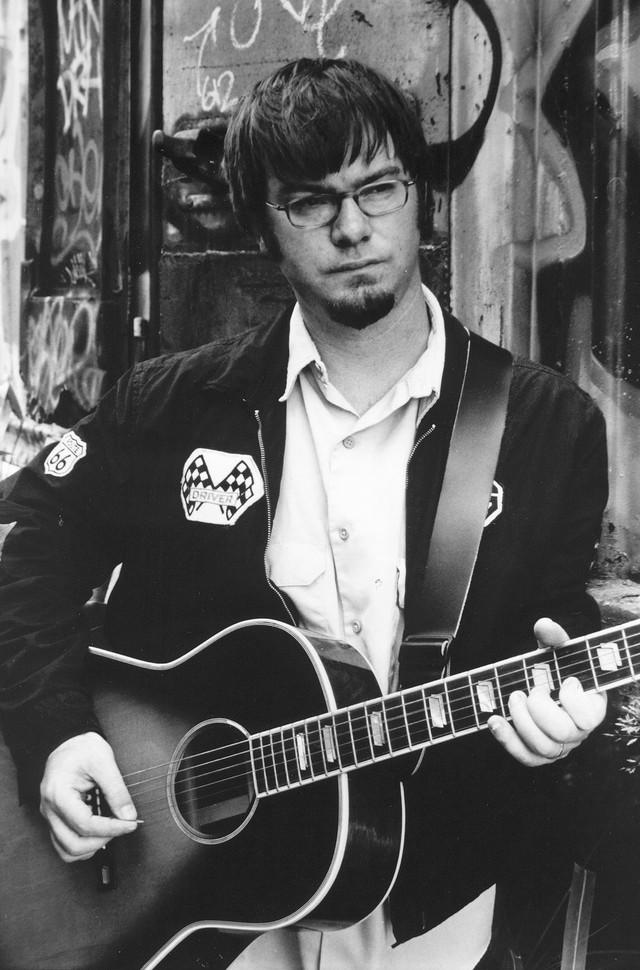
Craig Finn’s Spotify BioBest known as the singer of the Hold Steady, Craig Finn is a singer, songwriter, and guitarist born in Minnesota and based in New York City. Combining literary influences like Jack Kerouac and John Berryman with the musical influences of Bruce Springsteen and fellow Minnesotan Paul Westerberg, Finn's highly descriptive lyrical style has a strong focus on narrative, crafting strongly relatable, deeply detailed characters who live at the core of his stories. While the lyrical style of Finn's solo material resembled his work with his band, the music is more subdued and atmospheric, with keyboards often playing a larger role than the guitars and his spoken-sung vocals taking the lead over the melodies. The moody sound of 2015's Faith in the Future and 2017's We All Want the Same Things matured into a richer, more soul-influenced attack on 2019's I Need a New War, while his narratives developed a greater complexity on 2022's A Legacy of Rentals.
Craig Finn was born in Boston, Massachusetts… on August 22, 1971. His family moved to Edina, Minnesota when he was young, and he attended the Breck School in Golden Valley, Minnesota before heading back East to study at Boston College. In 1994, Finn was back in Minneapolis, where he launched the arty indie rock band Lifter Puller, where Finn's dense, personal lyrical style first began to take shape. By 2000, Lifter Puller had broken up and Finn was working in finance when he relocated from the Twin Cities to New York, where he would collaborate with producer Mr. Projectile on the short-lived project the Brokerdealer in 2001 before eventually reuniting with Lifter Puller bassist Tad Kubler to form the Hold Steady in 2003. While the band's whiskey-fueled bar rock sound was a departure from the angular, synth-filled sounds of Lifter Puller, Finn's lyrically dense storytelling style remained intact, making the Hold Steady the thinking-man's bar band.
After five albums with the Hold Steady, which impressed critics and won the group a loyal fan following, the singer and songwriter tried his hand at a solo album during some downtime from his main project, and in 2012 he released Clear Heart Full Eyes on Vagrant Records. In 2015, Finn dropped his second solo album; Faith in the Future, released by Partisan Records, was drawn from a set of songs inspired by themes of loss and survival that Finn wrote in the wake of his mother's death. His third record appeared in March 2017. Like his previous solo work, We All Want the Same Thing sounded like a continued riposte to the wilder side of the Hold Steady, while retaining his much-praised narrative lyrical style, and the track "God in Chicago" was made into an affecting short film. For 2019's I Need a New War, Finn added subtle R&B accents -- choppy guitars and soulful horns -- to put a fresh perspective on his songs of lives in the balance. He began writing his next solo project in 2020 as he was pondering America's reaction to the death of George Floyd and the impact of the COVID-19 pandemic, filtering his thoughts through the notion of how memory shapes our lives. 2022's A Legacy of Rentals balances smart, inventive arrangements with more of Finn's incisive character studies. ~ Gregory Heaney, Rovi
Viberate is a music analytics platform built for A&Rs, artist managers, labels, booking agents, marketers, and artists.
It helps music professionals track artist growth, analyze audience data, monitor playlist activity, compare artists, follow song performance, and identify opportunities across the music market.
Public artist pages provide a free preview of selected artist data. Paid plans provide access to deeper analytics, historical data, charts, comparisons, playlist tools, exports, alerts, reports, and additional professional features.
Yes. Public Viberate artist pages provide selected artist analytics and music data for free.
Viberate also offers a 7-day free trial of the full platform. A credit card is required to start the trial. The trial includes access to the complete product so users can test deeper artist analytics, historical views, playlist insights, comparisons, charts, exports, alerts, and reporting features before choosing a paid plan.
Viberate provides artist analytics across streaming, playlists, social media, video, radio airplay, songs, and audience markets.
Users can analyze Spotify performance, Spotify and Apple Music playlists, YouTube activity, TikTok and Instagram growth, radio spins, song performance, audience locations, demographics, rankings, and overall artist momentum.
Artist profiles also connect to music charts, similar artists, and comparison tools, helping users benchmark performance and evaluate artists in context.
Viberate updates key artist and track data daily.
For followed artists and tracks, selected data is refreshed multiple times per day. This helps teams monitor playlist changes, streaming movement, audience growth, releases, and campaign performance with more current data.
Update frequency can vary depending on the metric and data source.
Yes. Viberate lets users compare up to five artists side by side across streaming, social media, audience, and engagement metrics.
Users can compare fanbase growth, audience demographics, locations, Spotify performance, social metrics, and other artist data over selected time periods.
Artist comparison can be used for A&R scouting, benchmarking, booking decisions, campaign planning, and evaluating artists with similar audiences or market positions.