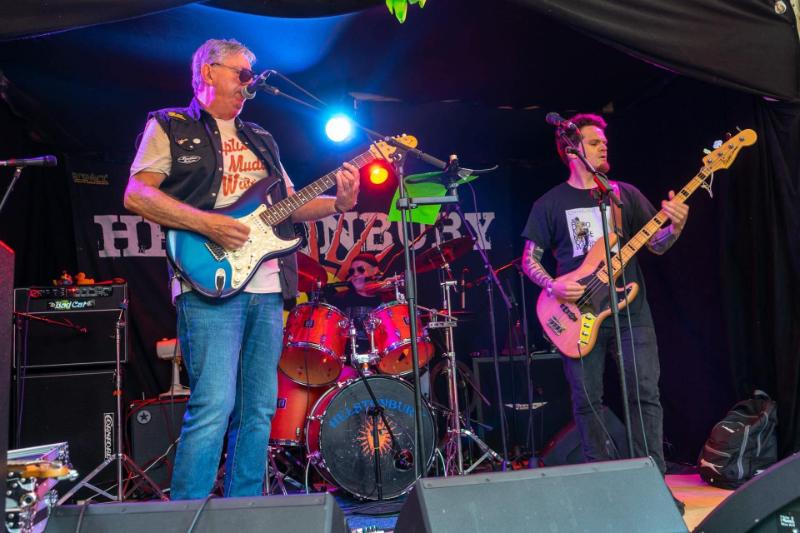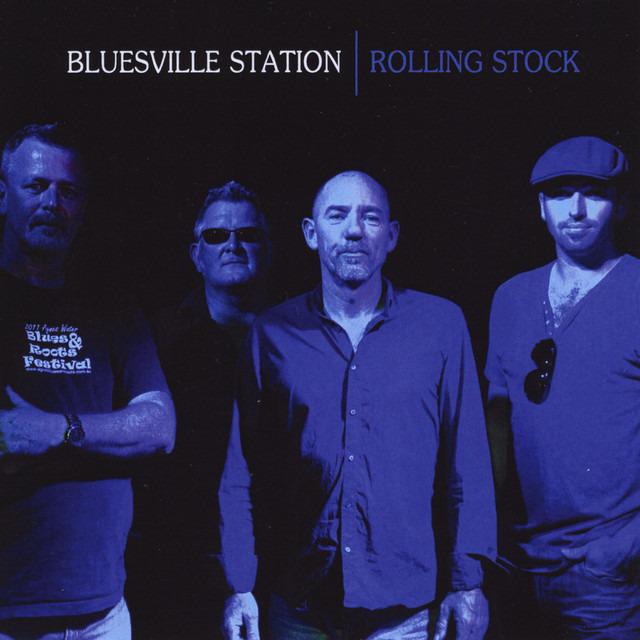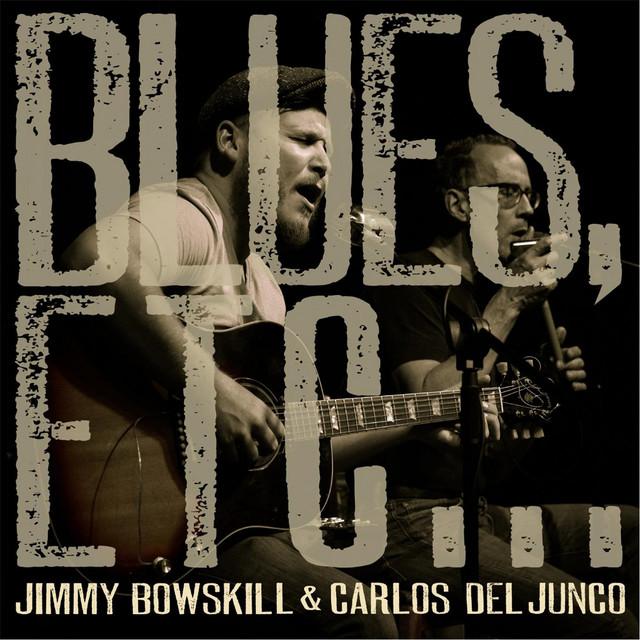
Gwyn Ashton

Blues
Blues Rock
 Viberate Rank: 232753
 Viberate Rank: 232753
 Monthly ListenersFollowers
 Subscribers
 Followers
 Followers
 FansTop Spotify Songs
| Track | 7-Day Streams | |
|---|---|---|
1 | 237 | |
2 | 207 | |
3 | 176 | |
4 | 69 | |
5 | 66 |
Top YouTube Videos| Video | 7-Day Views | |
|---|---|---|
1 | 65 | |
2 | 27 | |
3 | 26 | |
4 | 25 | |
5 | 17 |
Monthly ListenersFeatured in Playlists| Playlist | Followers | |
|---|---|---|
1 |  New Blues | Blues Rock | Americana 🎸 by Don's Tunes Don's Tunes | 28.59K |
2 | Slide Guitar Blues rinno20 | 8.63K |
3 |  Midnight Blues Helmut Neubauer | 3.81K |
4 |  BAD ASS Blues 🕶 Johan Dahlkvist | 3.66K |
5 |  Swamp blues/rock jan | 3.16K |
Audience| City | Monthly Listeners | |
|---|---|---|
1 | | 126 |
2 | | 122 |
3 | | 98 |
4 | | 41 |
5 | | 31 |
See full performance history, audience data, playlist activity, rankings, comparisons, and more in Viberate music analytics. Start with a free trial, then continue with a paid plan.
Gwyn Ashton’s Spotify BioBlues guitarist, singer, and songwriter Gwyn Ashton was born in Wales and raised in South Australia. At an early age he developed a love for blues and rock music that was fueled as a result of recordings by renowned artists like Chuck Berry, Jimi Hendrix, Buddy Holly, Rory Gallagher, Muddy Waters, and many others.
At the age of 11, Ashton picked up his first guitar and began the chore of learning to play the instrument. His natural talent didn't take long to show through. When he was a teenager, he teamed up with a couple of friends to form his first professional band. He stood in as frontman. The little group often managed to land jobs at local blues clubs and bars. After building a small fan base and landing some positive press, Ashton took his act on the road across Australia. He also spent time serving as a member with other groups now and then.
In 1993, Ashton finished recording his debut album, Feel the Heat. It took three long years before his sophomore full-length offering, Beg,… Borrow and Steel, was released. By now he was touring and performing in countries worldwide, including finding a market in the United States for his slide guitar-filled blues-rock. Some of the musicians who have been part of his recording band along the way include drummers Brendan O'Neill, Rick Tredrea, and Michael Wiedrich; along with bassists Geoff Brown, Sambor Kansy, and Gerry McAvoy. ~ Charlotte Dillon, Rovi
Viberate is a music analytics platform built for A&Rs, artist managers, labels, booking agents, marketers, and artists.
It helps music professionals track artist growth, analyze audience data, monitor playlist activity, compare artists, follow song performance, and identify opportunities across the music market.
Public artist pages provide a free preview of selected artist data. Paid plans provide access to deeper analytics, historical data, charts, comparisons, playlist tools, exports, alerts, reports, and additional professional features.
Yes. Public Viberate artist pages provide selected artist analytics and music data for free.
Viberate also offers a 7-day free trial of the full platform. A credit card is required to start the trial. The trial includes access to the complete product so users can test deeper artist analytics, historical views, playlist insights, comparisons, charts, exports, alerts, and reporting features before choosing a paid plan.
Viberate provides artist analytics across streaming, playlists, social media, video, radio airplay, songs, and audience markets.
Users can analyze Spotify performance, Spotify and Apple Music playlists, YouTube activity, TikTok and Instagram growth, radio spins, song performance, audience locations, demographics, rankings, and overall artist momentum.
Artist profiles also connect to music charts, similar artists, and comparison tools, helping users benchmark performance and evaluate artists in context.
Viberate updates key artist and track data daily.
For followed artists and tracks, selected data is refreshed multiple times per day. This helps teams monitor playlist changes, streaming movement, audience growth, releases, and campaign performance with more current data.
Update frequency can vary depending on the metric and data source.
Yes. Viberate lets users compare up to five artists side by side across streaming, social media, audience, and engagement metrics.
Users can compare fanbase growth, audience demographics, locations, Spotify performance, social metrics, and other artist data over selected time periods.
Artist comparison can be used for A&R scouting, benchmarking, booking decisions, campaign planning, and evaluating artists with similar audiences or market positions.