Grinderman

Rock
Psychedelic Rock
Alternative Rock
Garage Rock
 Viberate Rank: 76293
 Viberate Rank: 76293
 Monthly ListenersFollowers
 Subscribers
 Followers
 Followers
 FansTop Spotify Songs
| Track | 7-Day Streams | |
|---|---|---|
1 | 44.77K | |
2 | 10.39K | |
3 | 8.66K | |
4 | 6.74K | |
5 | 5.85K |
Top YouTube VideosMonthly ListenersFeatured in Playlists| Playlist | Followers | |
|---|---|---|
1 |  Peaky Blinders Soundtrack - All Songs Jasons 24/7 Supermarket | 308.03K |
2 |  True Detective (Season 1) Soundtrack matthewditta1999 | 84.25K |
3 |  SKINS SOUNDTRACK season 1, 2, 3, 4, 5, 6 and 7 (all seasons) Christel Aurora Hilmo | 65.42K |
4 |  Social Distancing Distortion Matt Berninger | 35.86K |
5 |  The 500 Best Songs of the 2000s Pitchfork | 29.96K |
Audience| City | Monthly Listeners | |
|---|---|---|
1 | | 4.52K |
2 |  | 4.38K |
3 | | 3.62K |
4 |  | 2.40K |
5 | | 1.99K |
See full performance history, audience data, playlist activity, rankings, comparisons, and more in Viberate music analytics. Start with a free trial, then continue with a paid plan.
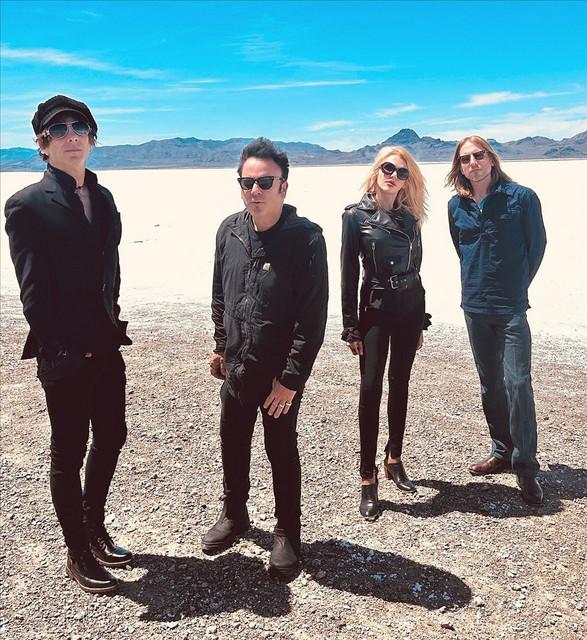
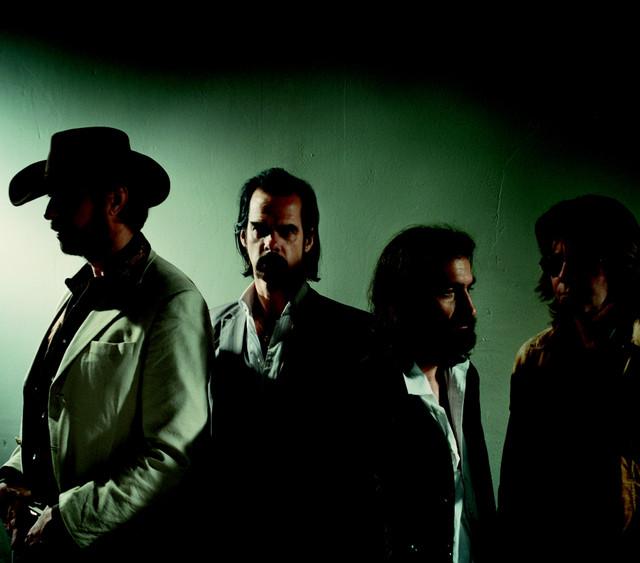
Grinderman’s Spotify BioWhile Nick Cave's music has evolved from the harrowing post-punk wail of the Birthday Party to the eloquent and often poetic approach he explored on the albums The Boatman's Call and No More Shall We Part with his group the Bad Seeds, the troublemaking noise merchant of his youth has never entirely gone away, and in 2006 Cave founded Grinderman to give this side of his musical personality a new outlet. Grinderman came to be when Cave was writing material in 2004 for his acclaimed album Abattoir Blues/The Lyre of Orpheus. Tired of writing in his office at home and then presenting the material to the Bad Seeds, Cave decided to try a new approach by teaming up with bandmembers Martyn Casey on bass, Warren Ellis on violin and guitar, and Jim Sclavunos on drums and working up songs as a group. With Cave improvising lyrics and playing guitar while his bandmates built melodies around them, the musicians began veering off into more experimental territory. Whipping up a potent dose of elemental… music rooted in blues, punk, and no wave, the foursome created something wholly separate from the Bad Seeds, with an energy and emotional fury that pointed to the path-breaking music of their pasts while belying the maturity of the participants. Cave and his partners decided to give the new music an identity of its own, and Grinderman was born. In February 2006, the band went into a studio in London and began a marathon session of writing and demoing material; the following April, they took the cream of these new songs and recorded an album with the help of producer Nick Launay. The first Grinderman tune, "No Pussy Blues," was released to the Internet in the fall of 2006; a limited-edition vinyl single of "Get It On" was issued in February 2007, with Grinderman's 11-song debut album following that spring. The band played a select number of dates to promote the album, which was critically as well as commercially successful. The quartet reconvened in 2009 to record Grinderman 2, which was released in 2010. In December of 2011, Cave announced the band's breakup at a music festival in Australia. Grinderman 2 RMX, collection of remixes from their second album, was released in the spring of 2012. ~ Mark Deming, Rovi
Viberate is a music analytics platform built for A&Rs, artist managers, labels, booking agents, marketers, and artists.
It helps music professionals track artist growth, analyze audience data, monitor playlist activity, compare artists, follow song performance, and identify opportunities across the music market.
Public artist pages provide a free preview of selected artist data. Paid plans provide access to deeper analytics, historical data, charts, comparisons, playlist tools, exports, alerts, reports, and additional professional features.
Yes. Public Viberate artist pages provide selected artist analytics and music data for free.
Viberate also offers a 7-day free trial of the full platform. A credit card is required to start the trial. The trial includes access to the complete product so users can test deeper artist analytics, historical views, playlist insights, comparisons, charts, exports, alerts, and reporting features before choosing a paid plan.
Viberate provides artist analytics across streaming, playlists, social media, video, radio airplay, songs, and audience markets.
Users can analyze Spotify performance, Spotify and Apple Music playlists, YouTube activity, TikTok and Instagram growth, radio spins, song performance, audience locations, demographics, rankings, and overall artist momentum.
Artist profiles also connect to music charts, similar artists, and comparison tools, helping users benchmark performance and evaluate artists in context.
Viberate updates key artist and track data daily.
For followed artists and tracks, selected data is refreshed multiple times per day. This helps teams monitor playlist changes, streaming movement, audience growth, releases, and campaign performance with more current data.
Update frequency can vary depending on the metric and data source.
Yes. Viberate lets users compare up to five artists side by side across streaming, social media, audience, and engagement metrics.
Users can compare fanbase growth, audience demographics, locations, Spotify performance, social metrics, and other artist data over selected time periods.
Artist comparison can be used for A&R scouting, benchmarking, booking decisions, campaign planning, and evaluating artists with similar audiences or market positions.