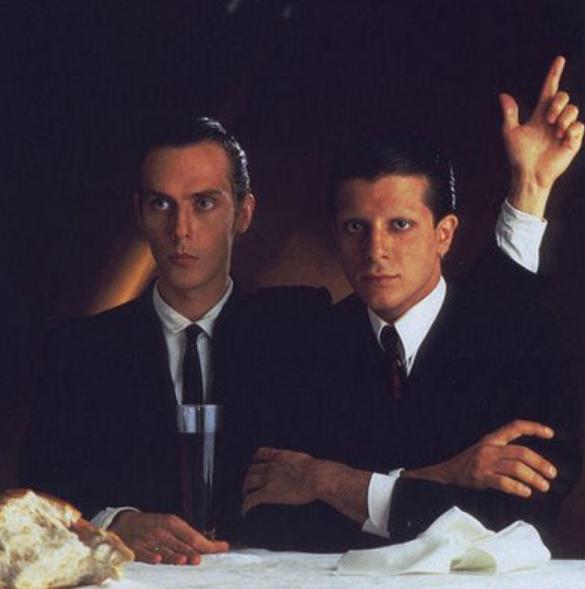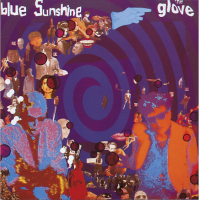
The Glove

Rock
Indie Rock
Post Punk
 Viberate Rank: 138412
 Viberate Rank: 138412
 Monthly ListenersFollowers
 Subscribers
 Followers
 Followers
 FansTop Spotify Songs
| Track | 7-Day Streams | |
|---|---|---|
1 | 3.46K | |
2 | 3.08K | |
3 | 3.02K | |
4 | 2.76K | |
5 | 2.63K |
Top YouTube VideosMonthly ListenersFeatured in Playlists| Playlist | Followers | |
|---|---|---|
1 | 80's New Wave Pascal Amiaud | 31.90K |
2 |  GOTH ULTIMATE LIST | DARK WAVE/POST-PUNK/GOTHIC ROCK/EBM/SYNTH/DEATH ROCK Annie Dark | 31.59K |
3 |  VELVET series, SPAIN musica michaeljoe | 16.71K |
4 |  This is Goth - Dark Wave, Post-Punk, Darkwave, EBM, Industrial occultrock | 16.55K |
5 | The Best Songs mark.hoppus | 15.33K |
Audience| City | Monthly Listeners | |
|---|---|---|
1 | | 694 |
2 |  | 416 |
3 | | 392 |
4 | | 328 |
5 |  | 309 |
See full performance history, audience data, playlist activity, rankings, comparisons, and more in Viberate music analytics. Start with a free trial, then continue with a paid plan.
The Glove’s Spotify BioSuperstar side projects have always rattled around the music scene, one-off outings conceived for any reason you like -- to scratch a creative itch, to fulfill a personal vanity, or simply just to confuse and confound an audience that has been growing far too complacent. Occasionally, however, it works. The art rock underground still thrills to the memory of the nights that Nick Cave, Marc Almond, Lydia Lunch, and Foetus came together as the Immaculate Consumptives in 1983; and the gothic crowd still trembles at the memory of the Glove, the similarly short-lived but superbly styled union of the Cure's Robert Smith and Siouxsie and the Banshees' Steven Severin.
The Glove wasn't that great a stretch of the imagination. The pair had been friends since they first met in the late '70s; the Cure undertook their first ever British tour as special guests of the Banshees, in late 1979, and when the headliners' guitarist went unexpectedly AWOL, half a dozen concerts into the itinerary, Smith was… quick to fill the gap, playing two full sets every night.
The tour over, the Banshees ushered in a full-time replacement and Smith returned to the Cure. But when that band apparently broke up in June 1982, Smith's first move was to record a single for Flexipop magazine, alongside Severin ("Lament"), and when the Banshees once again required a guitarist, Smith stepped into the breach.
Over the next six months, of course, the Cure did creep back into action, even as the Banshees worked constantly, while Smithand Severin also birthed a project they had been discussing since 1981, the Glove (so named for a character in the Beatles' Yellow Submarine movie).
With the "group" completed by vocalist/dancer Jeanette Landray, the duo's original idea was to cut a one-off single only. Their writing sessions, however, knew no such boundaries. Days turned to weeks, which transformed, in turn, to months. Smith later boasted, "when we went into the studio, we ended up with 15 songs after three days. And we put them on a record. An odd record."
In fact, the entire project consumed close to three months, but Smith was right about one thing. It was an odd record. According to Banshees drummer Budgie, he and Siouxsie "looked in on a couple of sessions, and couldn't believe what was going on...a situation obviously fuelled by parties and various substances."
The project was doomed to obscurity, however; by the time Blue Sunshine was actually released, that late summer of 1983, both the Banshees and the Cure were enjoying their biggest hit singles yet ("Dear Prudence" and "The Lovecats," respectively); both were preparing to record new albums; both were appearing on British television on an almost weekly basis. The Glove was simply buried beneath the weight of its peers.
A pair of singles went unnoticed, and hopes of a Glove tour -- or even a handful of concerts -- were dashed. The group did make a couple of TV appearances, the first in October with a couple of Smith's Cure bandmates accompanying the lead trio through a version of the "Punish Me With Kisses" 45 and, with the entire thing completely forgotten by all but the most obsessive fans, the following March, when Britain's Channel 4 TV network invited the Banshees to take part in a new series called Play at Home -- a series of rock mock documentaries that essentially allowed the lunatics to take over the asylum and present whatever they wanted to the watching millions. The Glove turned in a suitably addled performance, but that was the end. Although occasional rumors have resurfaced around a reunion, the band remains nothing but a memory. A very odd memory. ~ Dave Thompson, Rovi
Viberate is a music analytics platform built for A&Rs, artist managers, labels, booking agents, marketers, and artists.
It helps music professionals track artist growth, analyze audience data, monitor playlist activity, compare artists, follow song performance, and identify opportunities across the music market.
Public artist pages provide a free preview of selected artist data. Paid plans provide access to deeper analytics, historical data, charts, comparisons, playlist tools, exports, alerts, reports, and additional professional features.
Yes. Public Viberate artist pages provide selected artist analytics and music data for free.
Viberate also offers a 7-day free trial of the full platform. A credit card is required to start the trial. The trial includes access to the complete product so users can test deeper artist analytics, historical views, playlist insights, comparisons, charts, exports, alerts, and reporting features before choosing a paid plan.
Viberate provides artist analytics across streaming, playlists, social media, video, radio airplay, songs, and audience markets.
Users can analyze Spotify performance, Spotify and Apple Music playlists, YouTube activity, TikTok and Instagram growth, radio spins, song performance, audience locations, demographics, rankings, and overall artist momentum.
Artist profiles also connect to music charts, similar artists, and comparison tools, helping users benchmark performance and evaluate artists in context.
Viberate updates key artist and track data daily.
For followed artists and tracks, selected data is refreshed multiple times per day. This helps teams monitor playlist changes, streaming movement, audience growth, releases, and campaign performance with more current data.
Update frequency can vary depending on the metric and data source.
Yes. Viberate lets users compare up to five artists side by side across streaming, social media, audience, and engagement metrics.
Users can compare fanbase growth, audience demographics, locations, Spotify performance, social metrics, and other artist data over selected time periods.
Artist comparison can be used for A&R scouting, benchmarking, booking decisions, campaign planning, and evaluating artists with similar audiences or market positions.