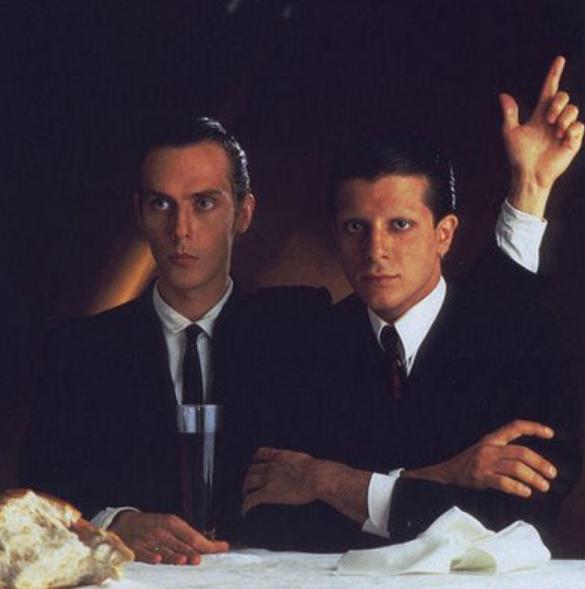
Dalis Car

Pop
Indie Pop
Post Punk
 Viberate Rank: 257957
 Viberate Rank: 257957
 Monthly ListenersFollowers
 Subscribers
 Followers
 Followers
 FansTop Spotify Songs
| Track | 7-Day Streams | |
|---|---|---|
1 | 1.07K | |
2 | 540 | |
3 | 452 | |
4 | 316 | |
5 | 306 |
Top YouTube VideosMonthly ListenersFeatured in Playlists| Playlist | Followers | |
|---|---|---|
1 | 80's New Wave Pascal Amiaud | 31.90K |
2 |  This is Goth - Dark Wave, Post-Punk, Darkwave, EBM, Industrial occultrock | 16.55K |
3 | Annie Dark | 10.46K |
4 |  Joy Orbits The Sun joy_orbits_the_sun | 10.23K |
5 |  Dark Post-Punk - Dark Wave, Goth, Dark Synthpop, darkwave occultrock | 9.19K |
Audience| City | Monthly Listeners | |
|---|---|---|
1 | | 75 |
2 |  | 67 |
3 |  | 67 |
4 |  | 63 |
5 |  | 45 |
See full performance history, audience data, playlist activity, rankings, comparisons, and more in Viberate music analytics. Start with a free trial, then continue with a paid plan.
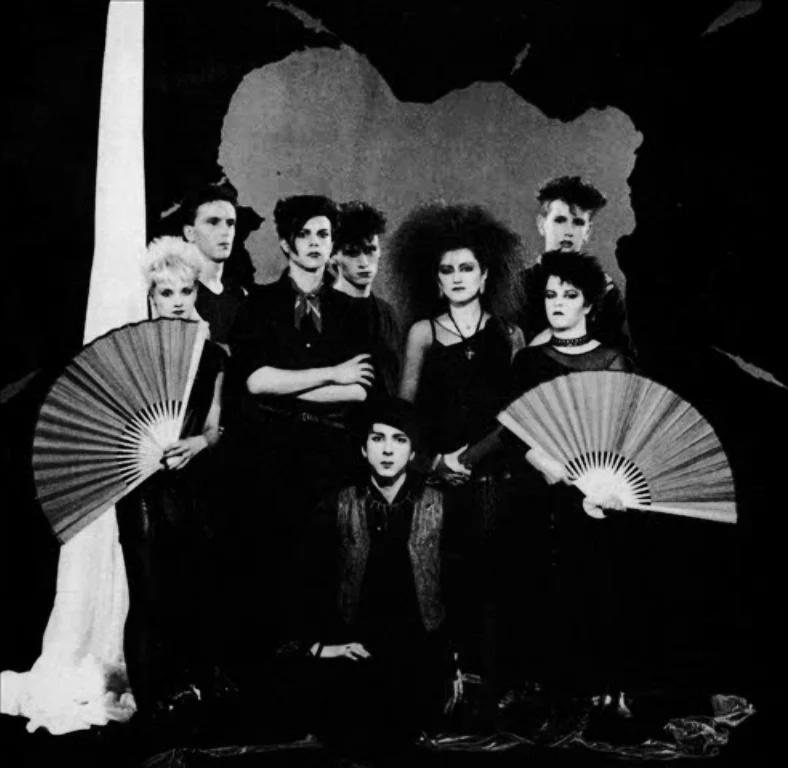
Dalis Car’s Spotify BioDalis Car were doomed almost from the start. A seemingly good idea when first suggested to former Bauhaus vocalist/lyricist Peter Murphy that he collaborate with ex-Japan bassist/composer Mick Karn, the group nearly self-destructed before it was disbanded. Their sole album, The Waking Hour, released in 1984, came in more than £20,000 ($30,000) over the £40,000 ($60,000) budget given them by Virgin and Beggars Banquet. A commercial failure, the album produced one equally disappointing single, "The Judgement Is the Mirror." Things seemed fine when Murphy and Karn began their collaboration. Initially working with four-track tapes that they sent back and forth, they wrote most of the songs before they came together in the studio. Once there, however, they clashed, and when the project was completed, neither wanted to work together again. "It was a particularly difficult project," Karn said in a late-'90s interview. "We were two very different people." ~ Craig Harris
Viberate is a music analytics platform built for A&Rs, artist managers, labels, booking agents, marketers, and artists.
It helps music professionals track artist growth, analyze audience data, monitor playlist activity, compare artists, follow song performance, and identify opportunities across the music market.
Public artist pages provide a free preview of selected artist data. Paid plans provide access to deeper analytics, historical data, charts, comparisons, playlist tools, exports, alerts, reports, and additional professional features.
Yes. Public Viberate artist pages provide selected artist analytics and music data for free.
Viberate also offers a 7-day free trial of the full platform. A credit card is required to start the trial. The trial includes access to the complete product so users can test deeper artist analytics, historical views, playlist insights, comparisons, charts, exports, alerts, and reporting features before choosing a paid plan.
Viberate provides artist analytics across streaming, playlists, social media, video, radio airplay, songs, and audience markets.
Users can analyze Spotify performance, Spotify and Apple Music playlists, YouTube activity, TikTok and Instagram growth, radio spins, song performance, audience locations, demographics, rankings, and overall artist momentum.
Artist profiles also connect to music charts, similar artists, and comparison tools, helping users benchmark performance and evaluate artists in context.
Viberate updates key artist and track data daily.
For followed artists and tracks, selected data is refreshed multiple times per day. This helps teams monitor playlist changes, streaming movement, audience growth, releases, and campaign performance with more current data.
Update frequency can vary depending on the metric and data source.
Yes. Viberate lets users compare up to five artists side by side across streaming, social media, audience, and engagement metrics.
Users can compare fanbase growth, audience demographics, locations, Spotify performance, social metrics, and other artist data over selected time periods.
Artist comparison can be used for A&R scouting, benchmarking, booking decisions, campaign planning, and evaluating artists with similar audiences or market positions.