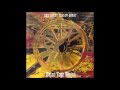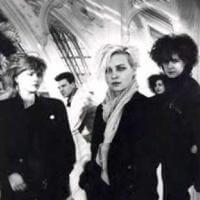
Red Lorry Yellow Lorry

Punk
Punk Rock
Death Rock
 Viberate Rank: 118240
 Viberate Rank: 118240
 Monthly ListenersFollowers
 Subscribers
 Followers
 Followers
 FansTop Spotify Songs
| Track | 7-Day Streams | |
|---|---|---|
1 | 7.41K | |
2 | 4.59K | |
3 | 3.39K | |
4 | 1.45K | |
5 | 1.04K |
Top YouTube VideosMonthly ListenersFeatured in Playlists| Playlist | Followers | |
|---|---|---|
1 |  𓋹 goth playlist for babybats 🦇𓋹 Alienpuke! | 116.60K |
2 |  goth rock / post punk julia rose | 105.35K |
3 |  Darkwave Void | 57.19K |
4 |  🦇Goth🕸Essentials🦇 Dante Crossroad | 34.30K |
5 | 80's New Wave Pascal Amiaud | 31.89K |
Audience| City | Monthly Listeners | |
|---|---|---|
1 |  | 844 |
2 | | 621 |
3 |  | 571 |
4 | | 476 |
5 |  | 468 |
See full performance history, audience data, playlist activity, rankings, comparisons, and more in Viberate music analytics. Start with a free trial, then continue with a paid plan.
Red Lorry Yellow Lorry’s Spotify BioOne of England's more subtly original goth rock groups, Red Lorry Yellow Lorry were initially branded as worshipful Joy Division acolytes, but came up with enough distinct variations to break free of their main influence. Their foundation always remained icy, droning post-punk, replete with sludgy, murky guitars and mumbled Ian Curtis-style vocals. However, as the Lorries evolved, they gradually sprinkled in elements of industrial dance, early rave music, and spaghetti Western soundtracks, as well as liberal doses of inventive, acid-tinged guitar work. Taking their name from a British tongue twister, Red Lorry Yellow Lorry were formed in Leeds in late 1981 by guitarist/songwriter Chris Reed and vocalist Mark Sweeney. Reed and Sweeney had previously performed in the local bands Radio Id and Knife Edge, respectively, and added a rhythm section of bassist Steve Smith and drummer Mick Brown. Sweeney left within a year, however, and Reed took over lead vocal duties, with Martin Fagan coming… onboard as a second guitarist.
Later in 1982, Red Lorry Yellow Lorry signed with the independent Red Rhino label and issued their debut single, "Beating My Head." Although it was a hit on the British indie charts, Fagan subsequently left the band and was replaced by Dave "Wolfie" Wolfenden, who became Reed's frequent songwriting partner; bassist Smith also departed in favor of Paul Southern. The band's second single, "Take It All," appeared in 1983, as did the third, "He's Read"; both helped solidify the Lorries' popularity on the indie listings. After another single, 1984's "Monkeys on Juice," the band finally got around to recording its debut album; Talk About the Weather was released in early 1985, and was a hit on the indie charts thanks to the single "Hollow Eyes." It was followed by two non-LP singles, "Chance" and "Spinning Round."
In 1986, Reed and Wolfenden regrouped with a new rhythm section of bassist Leon Phillips and drummer Chris Oldroyd. They were in place for the Lorries' second LP, Paint Your Wagon, which drew on imagery of the old American West and featured another indie hit in "Walking on Your Hands." Following one more non-LP single that year, "Cut Down," the band temporarily adopted its longtime nickname of the Lorries, and issued one single, 1987's "Crawling Mantra," under that moniker before reverting back to the original form. Later in 1987, Red Lorry Yellow Lorry signed a major-label deal with Situation Two, a subsidiary of RCA affiliate Beggars Banquet. They debuted in 1988 with the LP Nothing Wrong, which spun off the single "Only Dreaming (Wide Awake)."
On their second major-label album, 1989's Blow, the Lorries flirted with the sound and visual style of England's emerging rave culture, resulting in their clearest, most spacious production to date. There was more turnover in the rhythm section; drummer Oldroyd was replaced by Mark Chillington prior to the recording of the album, and bassist Phillips departed before the supporting tour, with his spot permanently filled by Gary Weight. Chillington, in turn, left during the tour, and George Schulz came onboard in his stead. The Lorries subsequently parted ways with Beggars Banquet and released their fifth LP, Blasting Off -- with several songwriting contributions from Weight -- in 1991, on the small Sparkhead label. The album didn't appear in the U.S. for another three years, until Relapse finally picked it up. By that time, faced with diminishing returns, Red Lorry Yellow Lorry had disbanded. Several CD retrospectives of the group's work have since been released, including the career-spanning 2014 box set See the Fire. Reed revived the Red Lorry Yellow Lorry name in 2004 with four new tracks made available on the band's website, but a promised album never appeared. ~ Steve Huey, Rovi
Viberate is a music analytics platform built for A&Rs, artist managers, labels, booking agents, marketers, and artists.
It helps music professionals track artist growth, analyze audience data, monitor playlist activity, compare artists, follow song performance, and identify opportunities across the music market.
Public artist pages provide a free preview of selected artist data. Paid plans provide access to deeper analytics, historical data, charts, comparisons, playlist tools, exports, alerts, reports, and additional professional features.
Yes. Public Viberate artist pages provide selected artist analytics and music data for free.
Viberate also offers a 7-day free trial of the full platform. A credit card is required to start the trial. The trial includes access to the complete product so users can test deeper artist analytics, historical views, playlist insights, comparisons, charts, exports, alerts, and reporting features before choosing a paid plan.
Viberate provides artist analytics across streaming, playlists, social media, video, radio airplay, songs, and audience markets.
Users can analyze Spotify performance, Spotify and Apple Music playlists, YouTube activity, TikTok and Instagram growth, radio spins, song performance, audience locations, demographics, rankings, and overall artist momentum.
Artist profiles also connect to music charts, similar artists, and comparison tools, helping users benchmark performance and evaluate artists in context.
Viberate updates key artist and track data daily.
For followed artists and tracks, selected data is refreshed multiple times per day. This helps teams monitor playlist changes, streaming movement, audience growth, releases, and campaign performance with more current data.
Update frequency can vary depending on the metric and data source.
Yes. Viberate lets users compare up to five artists side by side across streaming, social media, audience, and engagement metrics.
Users can compare fanbase growth, audience demographics, locations, Spotify performance, social metrics, and other artist data over selected time periods.
Artist comparison can be used for A&R scouting, benchmarking, booking decisions, campaign planning, and evaluating artists with similar audiences or market positions.