The Fourmost

Rock
Rockabilly
Pop Rock
 Viberate Rank: 199182
 Viberate Rank: 199182
 Monthly ListenersFollowers
 Subscribers
 Followers
 Followers
 FansTop Spotify Songs
| Track | 7-Day Streams | |
|---|---|---|
1 | 4.67K | |
2 | 2.35K | |
3 | 970 | |
4 | 691 | |
5 | 567 |
Top YouTube VideosMonthly ListenersFeatured in Playlists| Playlist | Followers | |
|---|---|---|
1 |  John Lennon: The Songbook Spotify | 79.12K |
2 |  Art Laboe Oldies (Numero Group) Numero Group Scenes & Decades | 35.90K |
3 | Oldies But Goldies🎶🙌 Andreas (DJ Riga-cee) Rigazzi | 22.08K |
4 |  Heartbeat TV Series 1 - 18 Soundtrack abundantmusic | 10.11K |
5 |  The Best Sixties Party Jaystaff | 10.05K |
Audience| City | Monthly Listeners | |
|---|---|---|
1 |  | 398 |
2 | | 395 |
3 | | 277 |
4 |  | 198 |
5 | | 194 |
See full performance history, audience data, playlist activity, rankings, comparisons, and more in Viberate music analytics. Start with a free trial, then continue with a paid plan.
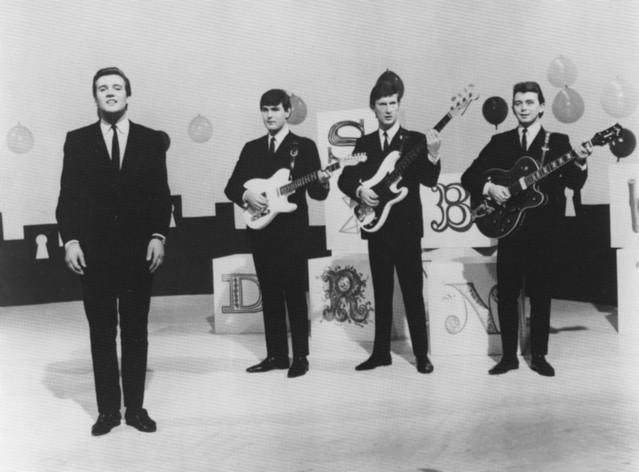
The Fourmost’s Spotify BioThe Fourmost had its roots steeped in the eclectic 1960s Mersey beat boom and was part of the Brian Epstein stable along with The Beatles, Billy J Kramer, Gerry and The Pacemakers, Cilla Black and others. The band has evolved from enjoying 1960’s chart hits such as Hello Little Girl (no.9) and A Little Loving (no.6) and less popular songs as I’m In Love (17), Baby I Need Your Lovin (24), Girls Girls Girls (33) and a cover of George Formby’s Auntie Maggie’s Remedy which failed to chart in the UK.
During the 1970s and the early 1980s like many of its peers, The Fourmost played mainly on the cabaret circuit as it struggled to compete for appeal with disco, funk, glam rock and punk.
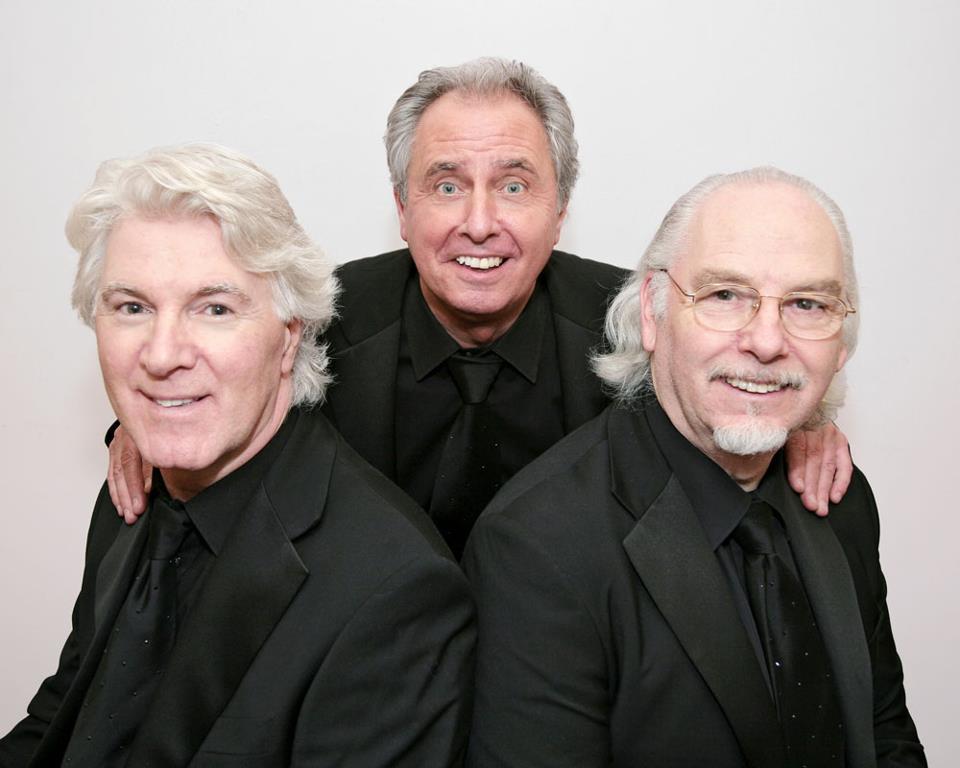
Since the mid 1980s The Fourmost has enjoyed a golden era as part of the wider 1960s revival scene and now appear throughout the UK and Europe playing at theatre's, holiday parks and 60s festivals to a diverse fan base.
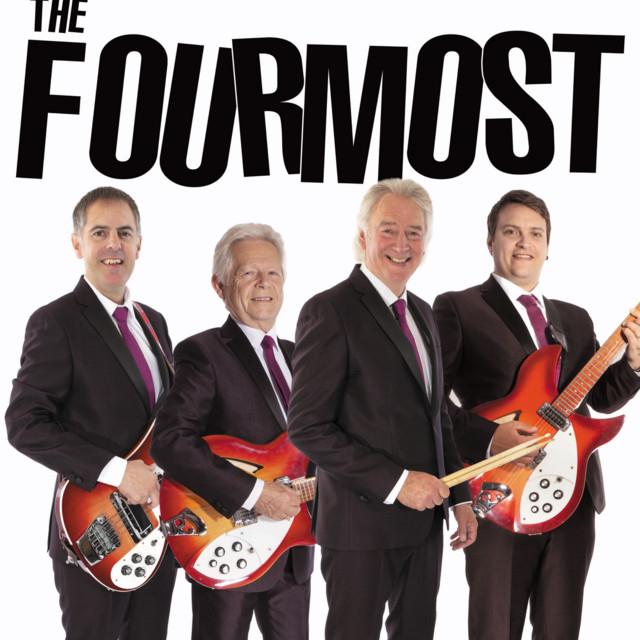
The Fourmost have been continually active since forming as the Four Jays in 1959, the personal… may have changed over the years but the sound and look of the band have remained the same.
The Fourmost are one of the most authentic 1960s bands currently on the circuit today, from their Vox amps, Rickenbacker guitars and Ludwig drums down to their Italian made slim-fitted suits and Cuban heel boots.
Viberate is a music analytics platform built for A&Rs, artist managers, labels, booking agents, marketers, and artists.
It helps music professionals track artist growth, analyze audience data, monitor playlist activity, compare artists, follow song performance, and identify opportunities across the music market.
Public artist pages provide a free preview of selected artist data. Paid plans provide access to deeper analytics, historical data, charts, comparisons, playlist tools, exports, alerts, reports, and additional professional features.
Yes. Public Viberate artist pages provide selected artist analytics and music data for free.
Viberate also offers a 7-day free trial of the full platform. A credit card is required to start the trial. The trial includes access to the complete product so users can test deeper artist analytics, historical views, playlist insights, comparisons, charts, exports, alerts, and reporting features before choosing a paid plan.
Viberate provides artist analytics across streaming, playlists, social media, video, radio airplay, songs, and audience markets.
Users can analyze Spotify performance, Spotify and Apple Music playlists, YouTube activity, TikTok and Instagram growth, radio spins, song performance, audience locations, demographics, rankings, and overall artist momentum.
Artist profiles also connect to music charts, similar artists, and comparison tools, helping users benchmark performance and evaluate artists in context.
Viberate updates key artist and track data daily.
For followed artists and tracks, selected data is refreshed multiple times per day. This helps teams monitor playlist changes, streaming movement, audience growth, releases, and campaign performance with more current data.
Update frequency can vary depending on the metric and data source.
Yes. Viberate lets users compare up to five artists side by side across streaming, social media, audience, and engagement metrics.
Users can compare fanbase growth, audience demographics, locations, Spotify performance, social metrics, and other artist data over selected time periods.
Artist comparison can be used for A&R scouting, benchmarking, booking decisions, campaign planning, and evaluating artists with similar audiences or market positions.