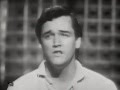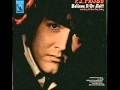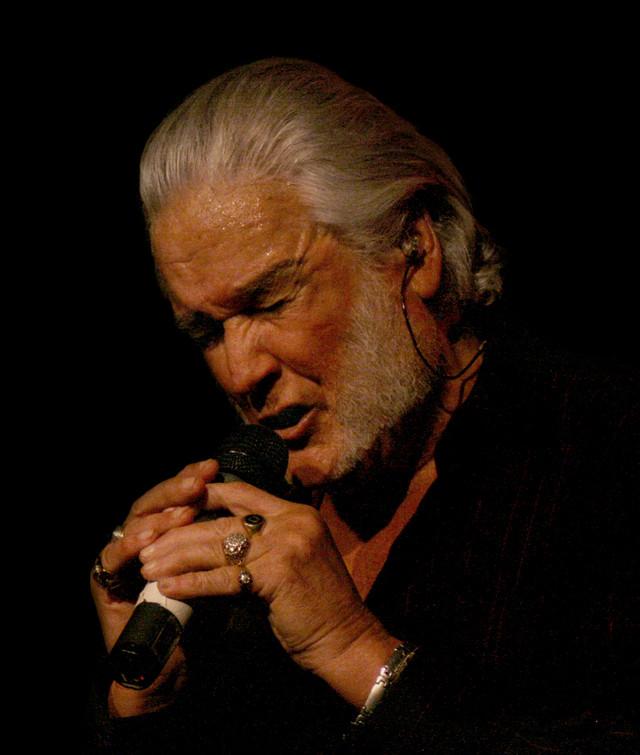
P.J. Proby

Rock
Pop Rock
Garage Rock
 Viberate Rank: 158885
 Viberate Rank: 158885
 Monthly ListenersFollowers
 Subscribers
 Followers
 Followers
 FansTop Spotify Songs
| Track | 7-Day Streams | |
|---|---|---|
1 | 1.98K | |
2 | 976 | |
3 | 550 | |
4 | 466 | |
5 | 466 |
Top YouTube VideosMonthly ListenersFeatured in Playlists| Playlist | Followers | |
|---|---|---|
1 |  Don's Tunes | Blues & Jazz Playlist | Official Don's Tunes | 50.96K |
2 |  NOW 100 Hits Forgotten 60s NOW That’s What I Call Music! | 18.56K |
3 | 1969 Billboard Top 100 Justin Monnier | 11.12K |
4 | Originals that are less Famous than the Cover Versions Auke Riemersma | 10.67K |
5 |  The Best Sixties Party Jaystaff | 10.05K |
Audience| City | Monthly Listeners | |
|---|---|---|
1 |  | 433 |
2 |  | 400 |
3 | | 376 |
4 | | 272 |
5 | | 251 |
See full performance history, audience data, playlist activity, rankings, comparisons, and more in Viberate music analytics. Start with a free trial, then continue with a paid plan.
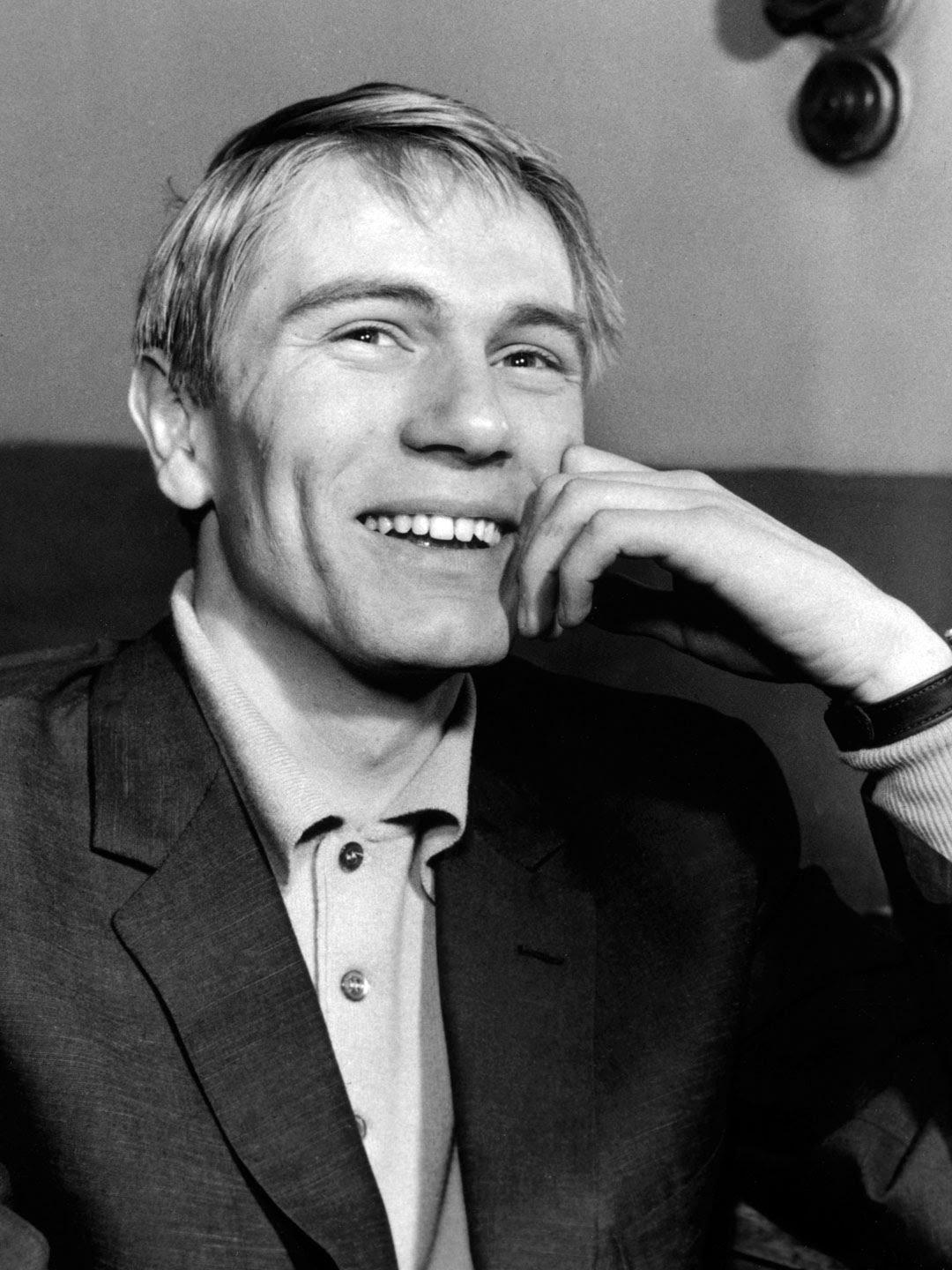
P.J. Proby’s Spotify BioBorn and mostly raised in Texas, rock & roller P.J. Proby never really hit it big in his homeland, but his trouser-busting stage antics helped make him a genuine pop star in England at the height of the British Invasion. Proby was born James Marcus Smith in Houston on November 6, 1938, and grew up listening to country and black gospel; later on, he became fascinated by rockabilly, and his stepsister even dated the young Elvis Presley. After graduating from military school in 1957, he moved to Hollywood hoping to make it in the music business. Through his boyhood friend, teen-idol singer Tommy Sands, Smith made some connections that included songwriter Sharon Sheeley (who was dating Eddie Cochran and had written "Poor Little Fool" for Rick Nelson), and he soon began recording singles under the name Jett Powers, with little success. In the meantime, he worked as a demo singer and also did a bit of acting, appearing in several Westerns and an episode of Gunsmoke.
Meanwhile, Smith was… working on his own original songs, which earned him a composition contract with Liberty at the end of 1959; his material was recorded by Johnny Burnette ("Clown Shoes"), the Searchers, Leroy Van Dyke, Rick Nelson, and Jackie DeShannon, among others. He also briefly joined producer Kim Fowley's studio group the Hollywood Argyles in 1960. In 1961, Smith (probably wisely) changed his alias from Jett Powers to P.J. Proby, the name of a childhood friend of Sharon Sheeley. Proby cut several singles from 1961-1963, ranging from rock to pop to country, again without much luck or promotion. With the single "Wicked Woman," he even resorted to changing his name to Orville Woods in hopes of getting played on R&B radio stations.
Finally, in late 1963, Proby met British producer Jack Good, who happened to be putting together a TV special on the Beatles that was to feature several other up-and-coming artists. Proby's demo tape impressed Beatles manager Brian Epstein enough for him to make the cut, and Good outfitted Proby as an aristocratic fop, complete with ponytail, frilly shirt, tight velvet pants, and buckled shoes. After the special aired worldwide, Proby's first British single, "Hold Me" -- a rocked-up rearrangement of a 1939-vintage pop ballad associated with Dick Haymes -- rocketed into the U.K. Top Five in early 1964. Proby's next two singles, "Together" and West Side Story's "Somewhere," took a similar tack, and both reached the British Top Ten as well. In early 1965, Proby was booked as part of a package tour, and on one of the London dates in late January, his pants ripped open from the knee all the way up. Proby claimed it was an accident, but when the same thing happened at the next show (much to the audience's delight), the censors descended and banned Proby from performing on television or in theaters. Rushed out shortly after the ban, "I Apologise" just missed the Top Ten, though his detractors didn't take its sentiments to heart.
Proby continued to release singles over the next two years, scoring another Top Ten hit with another West Side Story cover, "Maria," in late 1965. (Oddly, the preceding single, "That Means a Lot," flopped despite being penned by John Lennon and Paul McCartney.) The lack of promotional opportunities began to hurt Proby's chart placements, though, and he was also beset with financial problems. He attempted to crack the American market in 1967 and actually did land a Top 40 hit with "Niki Hoeky," which proved to be the extent of his success in his native country. Proby was forced to declare bankruptcy in 1968; in 1969, he recorded an album, Three Week Hero, that featured studio backing from all four future members of Led Zeppelin. By this time, though, the hits had dried up. Thanks to Jack Good, Proby appeared in Catch My Soul, a musical version of Othello, in 1970, and subsequently became a regular on Britain's cabaret circuit.
In 1973, Proby cut a less-than-stellar album, I'm Yours, under somewhat shady circumstances for Ember. He also made headlines with his engagement to Dean Martin's daughter Claudia, and his subsequent arrest for brandishing a shotgun. Proby re-emerged in 1978 to record an album with the Dutch prog rock group Focus, Focus Con Proby, and shortly thereafter starred in a Jack Good-produced musical about Elvis Presley (from which he was fired for improvising). Proby recorded sporadically during the '80s, including a series of more contemporary covers, and was also beset by marital difficulties and occasional run-ins with the law over flashes of temper. He nearly died after collapsing in 1992, and went completely sober afterward; in 1993, he appeared in the Jack Good biographical musical Good Rockin' Tonite, and two years later in the Roy Orbison tribute show Only the Lonely. Proby attempted a recording comeback in 1997 with the EMI album Legend. ~ Steve Huey, Rovi
Viberate is a music analytics platform built for A&Rs, artist managers, labels, booking agents, marketers, and artists.
It helps music professionals track artist growth, analyze audience data, monitor playlist activity, compare artists, follow song performance, and identify opportunities across the music market.
Public artist pages provide a free preview of selected artist data. Paid plans provide access to deeper analytics, historical data, charts, comparisons, playlist tools, exports, alerts, reports, and additional professional features.
Yes. Public Viberate artist pages provide selected artist analytics and music data for free.
Viberate also offers a 7-day free trial of the full platform. A credit card is required to start the trial. The trial includes access to the complete product so users can test deeper artist analytics, historical views, playlist insights, comparisons, charts, exports, alerts, and reporting features before choosing a paid plan.
Viberate provides artist analytics across streaming, playlists, social media, video, radio airplay, songs, and audience markets.
Users can analyze Spotify performance, Spotify and Apple Music playlists, YouTube activity, TikTok and Instagram growth, radio spins, song performance, audience locations, demographics, rankings, and overall artist momentum.
Artist profiles also connect to music charts, similar artists, and comparison tools, helping users benchmark performance and evaluate artists in context.
Viberate updates key artist and track data daily.
For followed artists and tracks, selected data is refreshed multiple times per day. This helps teams monitor playlist changes, streaming movement, audience growth, releases, and campaign performance with more current data.
Update frequency can vary depending on the metric and data source.
Yes. Viberate lets users compare up to five artists side by side across streaming, social media, audience, and engagement metrics.
Users can compare fanbase growth, audience demographics, locations, Spotify performance, social metrics, and other artist data over selected time periods.
Artist comparison can be used for A&R scouting, benchmarking, booking decisions, campaign planning, and evaluating artists with similar audiences or market positions.