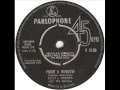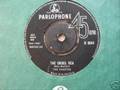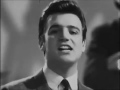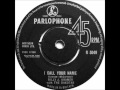
The Dakotas

Rock
Pop Rock
Alternative Rock
 Viberate Rank: 122106
 Viberate Rank: 122106
 Monthly ListenersFollowers
 Subscribers
 Followers
 Followers
 FansTop Spotify Songs
| Track | 7-Day Streams | |
|---|---|---|
1 | 38.90K | |
2 | 10.67K | |
3 | 10.51K | |
4 | 5.89K | |
5 | 5.74K |
Top YouTube Videos| Video | 7-Day Views | |
|---|---|---|
1 | 554 | |
2 | 456 | |
3 | 146 | |
4 | 83 | |
5 | 58 |
Monthly ListenersFeatured in Playlists| Playlist | Followers | |
|---|---|---|
1 |  John Lennon: The Songbook Spotify | 79.14K |
2 |  60's Top Tracks Playlistic | 72.79K |
3 |  Made in Liverpool Spotify | 64.92K |
4 |  The Sound of Everything The Sounds of Spotify | 53.82K |
5 |  60s 70s 80s 90s 00s Greatest Hits and Songs Diestro Music | 51.95K |
Audience| City | Monthly Listeners | |
|---|---|---|
1 |  | 2.87K |
2 | | 2.84K |
3 | | 2.79K |
4 | | 2.19K |
5 |  | 2.10K |
See full performance history, audience data, playlist activity, rankings, comparisons, and more in Viberate music analytics. Start with a free trial, then continue with a paid plan.
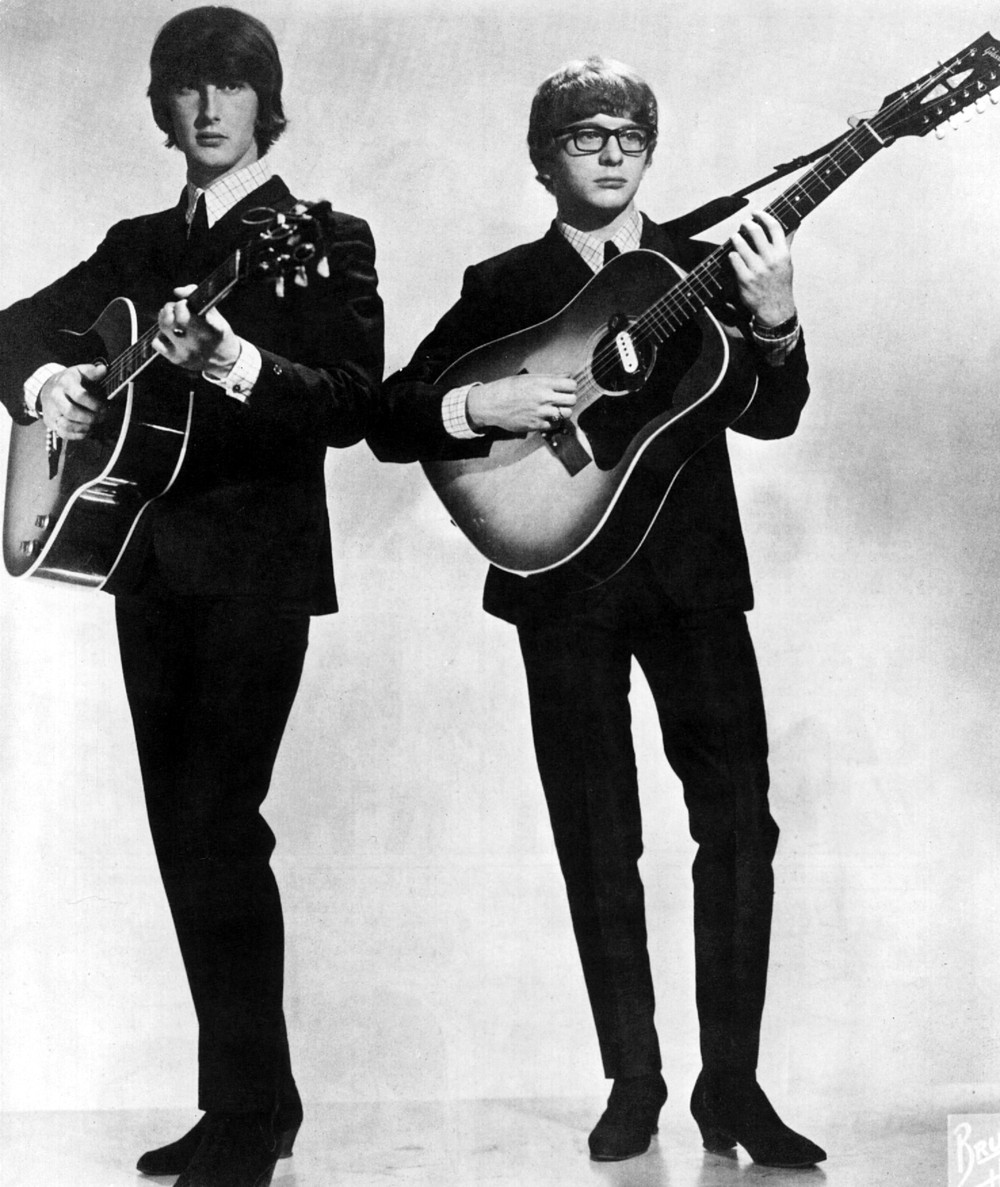
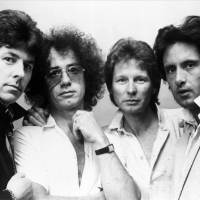
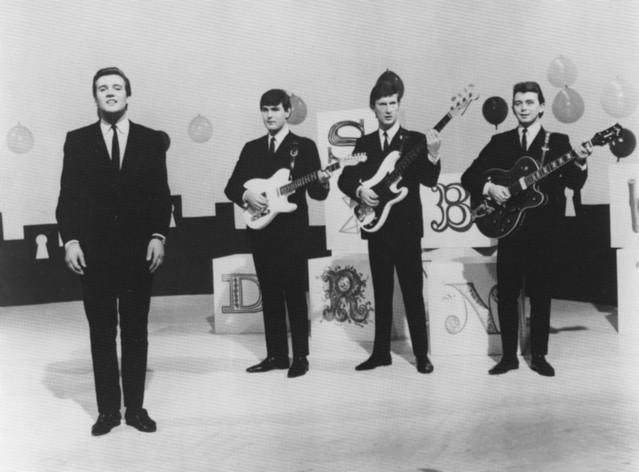
The Dakotas’ Spotify BioThe Dakotas were most closely associated with Liverpool-born singer Billy J. Kramer. They had a history before that, however, as well as a striking lineup on their own, separate from the developments in Kramer's career. The original group hailed from Manchester, and were put together as a backing band for Pete MacLaine. At that time, from 1962 through January of 1963, they were comprised of Mike Maxfield (lead guitar), Robin MacDonald (rhythm guitar), Tony Mansfield (drums), and Ray Jones (bass). In early 1963, just as the Beatles were finished with their second single, "Please Please Me," their manager, Brian Epstein, was looking for a backing band for his newest discovery, Billy J. Kramer. He had been playing and singing part-time with a band called the Coasters, but wanted to turn professional, at Epstein's insistence. The Coasters declined to follow him, and a new band was needed. Enter the Dakotas, who parted company with Pete MacLaine to sign with Epstein. He was not yet renowned… as a world-beating success, but he did have two bands, the Beatles and Gerry & the Pacemakers, cutting records for Parlophone, one of which, "Love Me Do," had already charted modestly. It was an attractive offer, and they became Kramer's band. They were a very solid group, well able to adapt to the requisite Merseybeat sound not only as it had existed up to early 1963 but as the Beatles were altering it with their records and their success -- rock & roll balladry, with room for smooth vocals and even harmonies, became obligatory, along with a band sound that left room for some elegance as well as a good attack. Kramer hit with his first five singles, and in the process of becoming a star, the Dakotas also got their chance in the spotlight. They scored a success with their instrumental version of "The Cruel Sea," and also saw some action on "Magic Carpet." In July of 1964, the first major lineup change took place, as Ray Jones was pushed out on bass. Robin MacDonald, who had been playing rhythm guitar, shifted over to bass, and the Dakotas added a second lead guitarist in Mick Green. Green was a musician in a unique situation -- he had never inaugurated a band's sound, tending to come into lineups that already existed; when he did so, however, as in the case of Johnny Kidd & the Pirates, he inevitably boosted their sound by many decibels and punched up the virtuosity. He was among the first of a new generation of hot rocking British guitarists, separate from blues virtuosos like Eric Clapton, and able to attack his instrument with distinctive riffs and variations in several different idioms, all of which came out well in the studio and even better in concert. His arrival in the Dakotas' lineup gave the group a unique double-lead guitar configuration that made them a power to contend with on-stage, although ironically, he only played on one hit with Kramer, "Trains and Boats and Planes." Kramer's string of hits ended in mid-1965, but he and the Dakotas were still a major live act, in England and even more so in America, where "Trains and Boats and Planes" made the Top Ten. In August of 1966, Tony Mansfield left the band, and ex-Pirate Frank Farley joined on drums, lasting until September of 1967 playing the cabaret circuit after concert work disappeared. By that time, Kramer's star had faded, and the Dakotas split in late 1967. Robin MacDonald and Mick Green became part of Engelbert Humperdinck's backing band, while Kramer kept on working for a time with the Remo Four, a perennial replacement band, having succeeded the Searchers as Johnny Sandon's backing band. In the mid-'70s, Green and Farley became the core of a re-formed Pirates, who continued to perform and record into the '90s. ~ Bruce Eder, Rovi
Viberate is a music analytics platform built for A&Rs, artist managers, labels, booking agents, marketers, and artists.
It helps music professionals track artist growth, analyze audience data, monitor playlist activity, compare artists, follow song performance, and identify opportunities across the music market.
Public artist pages provide a free preview of selected artist data. Paid plans provide access to deeper analytics, historical data, charts, comparisons, playlist tools, exports, alerts, reports, and additional professional features.
Yes. Public Viberate artist pages provide selected artist analytics and music data for free.
Viberate also offers a 7-day free trial of the full platform. A credit card is required to start the trial. The trial includes access to the complete product so users can test deeper artist analytics, historical views, playlist insights, comparisons, charts, exports, alerts, and reporting features before choosing a paid plan.
Viberate provides artist analytics across streaming, playlists, social media, video, radio airplay, songs, and audience markets.
Users can analyze Spotify performance, Spotify and Apple Music playlists, YouTube activity, TikTok and Instagram growth, radio spins, song performance, audience locations, demographics, rankings, and overall artist momentum.
Artist profiles also connect to music charts, similar artists, and comparison tools, helping users benchmark performance and evaluate artists in context.
Viberate updates key artist and track data daily.
For followed artists and tracks, selected data is refreshed multiple times per day. This helps teams monitor playlist changes, streaming movement, audience growth, releases, and campaign performance with more current data.
Update frequency can vary depending on the metric and data source.
Yes. Viberate lets users compare up to five artists side by side across streaming, social media, audience, and engagement metrics.
Users can compare fanbase growth, audience demographics, locations, Spotify performance, social metrics, and other artist data over selected time periods.
Artist comparison can be used for A&R scouting, benchmarking, booking decisions, campaign planning, and evaluating artists with similar audiences or market positions.