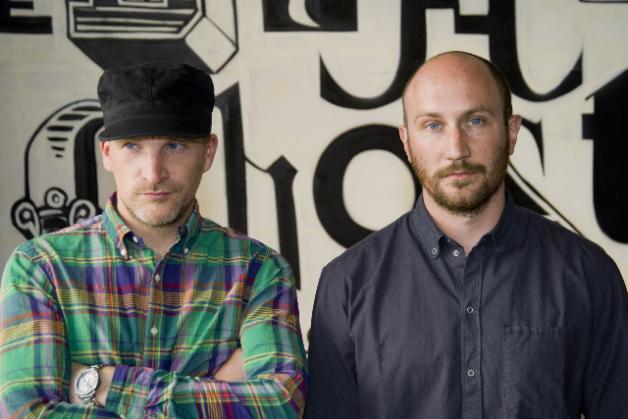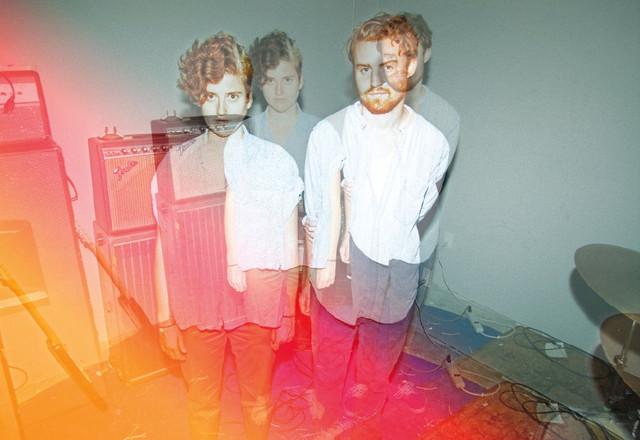
The Features

Rock
Indie Rock
Psychedelic Rock
 Viberate Rank: 84062
 Viberate Rank: 84062
 Monthly ListenersFollowers
 Subscribers
 Followers
 Followers
 FansTop Spotify Songs
| Track | 7-Day Streams | |
|---|---|---|
1 | 166.52K | |
2 | 4.30K | |
3 | 4.21K | |
4 | 1.51K | |
5 | 1.37K |
Top YouTube VideosMonthly ListenersFeatured in Playlists| Playlist | Followers | |
|---|---|---|
1 |  Twilight Saga - Twilight Complete Soundtrack KULTPOP! | 586.59K |
2 |  twilight songs - in order of appearance isabelle 🧛🏼 | 266.77K |
3 |  TWILIGHT BEST SONGS maddie | 151.70K |
4 |  Crepúsculo - músicas da saga Mariana Henrique | 115.22K |
5 |  Whoa-hoa-hoa-hoa-hoa season veronikaku | 112.78K |
Audience| City | Monthly Listeners | |
|---|---|---|
1 |  | 12.02K |
2 |  | 3.92K |
3 | | 3.31K |
4 | | 3.08K |
5 | | 2.99K |
See full performance history, audience data, playlist activity, rankings, comparisons, and more in Viberate music analytics. Start with a free trial, then continue with a paid plan.
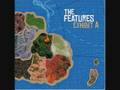
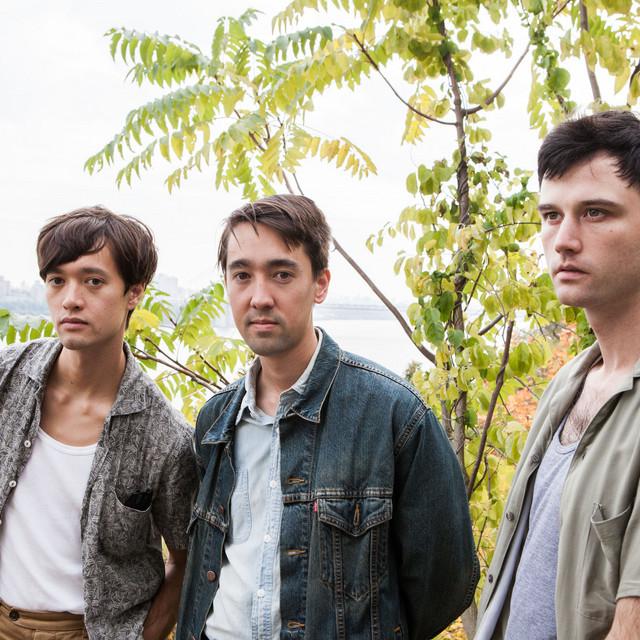
The Features’ Spotify BioThe Features are a psychedelic rock outfit that plays fresh, off-kilter pop that sounds like a head-on collision between Ray Davies and Elvis Costello with the Elephan 6 Collective picking up the pieces and putting them back together in the American South. Formed in the small, hidden town of Sparta, Tennessee, guitarist and vocalist Matt Pelham, bassist Roger Dabbs, keyboardist Parrish Yaw, and drummer Rollum Haas began playing their quirky and contagious pop as the Features around Pelham's colorful personal ruminations. Their self-titled debut EP, released in 1997, drew heavily on thick keyboards and an original, updated new wave sound. The Beginning EP -- a classicist pop record, at once as lush and sun-dappled as the Shins, and as pointed and probing as the Jam, followed with a U.K. release on Fierce Panda in 2003. The record was put out in the United States by Universal in March of 2004, with slightly altered tracking. Several other U.K. 7"s never saw a U.S. domestic release, but… the The Beginning was finally unleashed stateside in March 2004. Exhibit A, The Features debut full length, was relesed in September of 2004 by Universal. ~ Charles Spano, Rovi
Viberate is a music analytics platform built for A&Rs, artist managers, labels, booking agents, marketers, and artists.
It helps music professionals track artist growth, analyze audience data, monitor playlist activity, compare artists, follow song performance, and identify opportunities across the music market.
Public artist pages provide a free preview of selected artist data. Paid plans provide access to deeper analytics, historical data, charts, comparisons, playlist tools, exports, alerts, reports, and additional professional features.
Yes. Public Viberate artist pages provide selected artist analytics and music data for free.
Viberate also offers a 7-day free trial of the full platform. A credit card is required to start the trial. The trial includes access to the complete product so users can test deeper artist analytics, historical views, playlist insights, comparisons, charts, exports, alerts, and reporting features before choosing a paid plan.
Viberate provides artist analytics across streaming, playlists, social media, video, radio airplay, songs, and audience markets.
Users can analyze Spotify performance, Spotify and Apple Music playlists, YouTube activity, TikTok and Instagram growth, radio spins, song performance, audience locations, demographics, rankings, and overall artist momentum.
Artist profiles also connect to music charts, similar artists, and comparison tools, helping users benchmark performance and evaluate artists in context.
Viberate updates key artist and track data daily.
For followed artists and tracks, selected data is refreshed multiple times per day. This helps teams monitor playlist changes, streaming movement, audience growth, releases, and campaign performance with more current data.
Update frequency can vary depending on the metric and data source.
Yes. Viberate lets users compare up to five artists side by side across streaming, social media, audience, and engagement metrics.
Users can compare fanbase growth, audience demographics, locations, Spotify performance, social metrics, and other artist data over selected time periods.
Artist comparison can be used for A&R scouting, benchmarking, booking decisions, campaign planning, and evaluating artists with similar audiences or market positions.