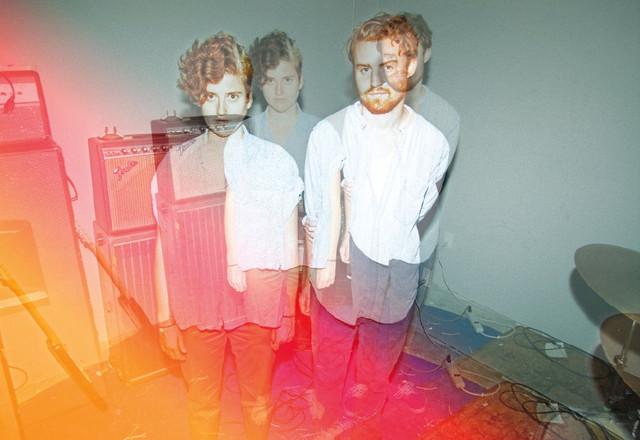
The Belle Brigade

Pop
Indie Pop
 Viberate Rank: 151582
 Viberate Rank: 151582
 Monthly ListenersFollowers
 Subscribers
 Followers
 Followers
 FansTop Spotify Songs
| Track | 7-Day Streams | |
|---|---|---|
1 | 11.34K | |
2 | 3.28K | |
3 | 2.15K | |
4 | 920 | |
5 | 279 |
Top YouTube VideosMonthly ListenersFeatured in Playlists| Playlist | Followers | |
|---|---|---|
1 |  Twilight Saga - Twilight Complete Soundtrack KULTPOP! | 586.66K |
2 |  twilight songs - in order of appearance isabelle 🧛🏼 | 266.78K |
3 |  Crepúsculo - músicas da saga Mariana Henrique | 115.22K |
4 |  Whoa-hoa-hoa-hoa-hoa season veronikaku | 112.77K |
5 | Twilight Series Soundtrack Shari Hunt | 95.22K |
Audience| City | Monthly Listeners | |
|---|---|---|
1 |  | 950 |
2 |  | 607 |
3 | | 503 |
4 |  | 498 |
5 | | 459 |
See full performance history, audience data, playlist activity, rankings, comparisons, and more in Viberate music analytics. Start with a free trial, then continue with a paid plan.
The Belle Brigade’s Spotify BioBased in Los Angeles, the Belle Brigade is a pop duo featuring Barbara and Ethan Gruska, the grandchildren of Oscar-winning film composer John Williams. Before teaming up with her younger brother, Barbara launched her career as a touring musician, becoming one of L.A.'s most sought-after drummers thanks to her work with Inara George and Jenny Lewis. Taking a break from the road in 2009, she began writing music with Ethan, a teenaged pianist who'd been penning his own songs in her absence. Both siblings had been raised by Jay Gruska, a former solo artist who, after releasing two major-label albums in the early '80s, made his name writing songs for artists like Michael Jackson, Janet Jackson, and Amy Grant. The Belle Brigade took most of their cues from the '70s, though, creating a sound whose vocal harmonies and bright, breezy pop hooks were heavily influenced by Fleetwood Mac. Using Barbara's connections in the L.A. music scene, they pieced together a backup band and entered the… recording studio with producer Matthew Wilder, emerging in spring 2011 with their well-received, self-titled debut album. The duo's sophomore long-player, the ATO-issued Just Because, followed in early 2014. ~ Andrew Leahey, Rovi
Viberate is a music analytics platform built for A&Rs, artist managers, labels, booking agents, marketers, and artists.
It helps music professionals track artist growth, analyze audience data, monitor playlist activity, compare artists, follow song performance, and identify opportunities across the music market.
Public artist pages provide a free preview of selected artist data. Paid plans provide access to deeper analytics, historical data, charts, comparisons, playlist tools, exports, alerts, reports, and additional professional features.
Yes. Public Viberate artist pages provide selected artist analytics and music data for free.
Viberate also offers a 7-day free trial of the full platform. A credit card is required to start the trial. The trial includes access to the complete product so users can test deeper artist analytics, historical views, playlist insights, comparisons, charts, exports, alerts, and reporting features before choosing a paid plan.
Viberate provides artist analytics across streaming, playlists, social media, video, radio airplay, songs, and audience markets.
Users can analyze Spotify performance, Spotify and Apple Music playlists, YouTube activity, TikTok and Instagram growth, radio spins, song performance, audience locations, demographics, rankings, and overall artist momentum.
Artist profiles also connect to music charts, similar artists, and comparison tools, helping users benchmark performance and evaluate artists in context.
Viberate updates key artist and track data daily.
For followed artists and tracks, selected data is refreshed multiple times per day. This helps teams monitor playlist changes, streaming movement, audience growth, releases, and campaign performance with more current data.
Update frequency can vary depending on the metric and data source.
Yes. Viberate lets users compare up to five artists side by side across streaming, social media, audience, and engagement metrics.
Users can compare fanbase growth, audience demographics, locations, Spotify performance, social metrics, and other artist data over selected time periods.
Artist comparison can be used for A&R scouting, benchmarking, booking decisions, campaign planning, and evaluating artists with similar audiences or market positions.